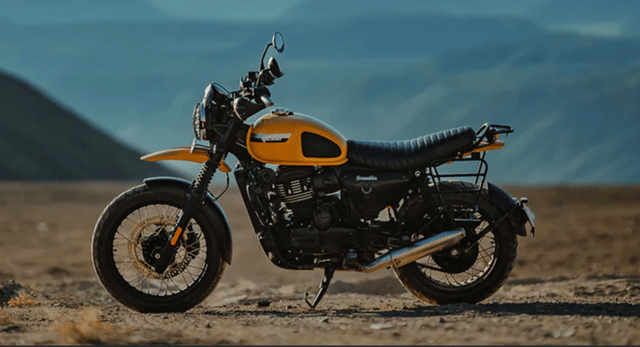

India is a nation of two-wheelers. With more than 75% of registered vehicles being motorcycles and scooters, they are the backbone of daily mobility for millions. They are affordable, fuel-efficient, and ideal for navigating congested streets. However, the rapid growth of two-wheelers has also created one of the biggest challenges for road safety and traffic management.
From riding on footpaths and wrong-side driving to weaving through traffic and ignoring lane discipline, two-wheelers contribute significantly to road chaos and accidents. While rider behavior is often blamed, the problem is also rooted in poor road design. Safer roads require not just stricter enforcement but smarter infrastructure.
The Growing Problem
1. Lane Indiscipline
Motorcycles frequently squeeze between cars, buses, and trucks, creating unpredictable traffic movements. This increases the risk of collisions and sudden braking.
2. Wrong-Side Riding
To save a few minutes, many riders travel against traffic flow, especially near intersections, service roads, and U-turns.
3. Footpath Encroachment
In congested urban areas, scooters often use pedestrian footpaths as alternate routes, endangering walkers.
4. Dangerous Overtaking
Two-wheelers frequently overtake from the left, enter blind spots of larger vehicles, and make sudden lane changes.
5. High Accident Rates
Two-wheeler riders account for a disproportionately high share of road fatalities in India due to limited physical protection.
Why Road Design Is Part of the Problem
Most Indian roads are designed primarily for cars and trucks, despite two-wheelers forming the majority of traffic. Riders are often forced to share lanes with much larger vehicles, leading to risky behavior.
Poorly designed intersections, lack of dedicated space, and inadequate traffic calming measures encourage violations.
Road Adjustments That Can Make a Difference
1. Dedicated Two-Wheeler Lanes
Major urban roads should include separate motorcycle and scooter lanes, similar to bicycle lanes but wider.
Benefits:
Reduces interaction with heavy vehicles.
Improves traffic flow.
Lowers accident rates.
2. Two-Wheeler Waiting Boxes at Signals
Provide a designated space ahead of cars at traffic signals where motorcycles can wait safely.
Benefits:
Prevents riders from squeezing between vehicles.
Improves visibility.
Reduces signal-jump conflicts.
3. Better Median Design
Continuous medians and fencing can discourage illegal U-turns and wrong-side riding.
Benefits:
Reduces head-on collisions.
Improves traffic discipline.
4. Protected Footpaths
Raised curbs, bollards, and barriers should prevent motorcycles from entering pedestrian areas.
Benefits:
Safer walking environment.
Better pedestrian mobility.
5. Channelized Intersections
Intersections should guide vehicle movement through clear lane markings, islands, and dedicated turning lanes.
Benefits:
Reduces confusion.
Lowers crash risks.
6. Traffic-Calming Zones
Near schools, markets, and residential areas, roads should include:
Speed tables
Raised pedestrian crossings
Chicanes
Narrowed carriageways
Benefits:
Forces lower speeds.
Improves safety for all users.
7. Smart Enforcement Infrastructure
Install:
AI-powered cameras
Wrong-way detection systems
Automatic number plate recognition
Benefits:
Consistent enforcement.
Reduced violations.
8. Service Roads for Local Traffic
Properly designed service roads can separate local two-wheeler traffic from fast-moving highway traffic.
Benefits:
Fewer conflicts.
Safer access to businesses and neighborhoods.
Learning from Global Examples
Countries such as the Netherlands, Malaysia, and Indonesia have successfully introduced dedicated motorcycle infrastructure. Their experience shows that separating different vehicle types significantly improves safety and traffic efficiency.
A Shared Responsibility
Two-wheelers are not inherently the problem. Poor rider behavior, weak enforcement, and roads that fail to accommodate the dominant mode of transport together create the menace seen on Indian roads.
India’s future road strategy should recognize a simple reality: if two-wheelers make up the majority of traffic, roads must be designed for them. Dedicated lanes, safer intersections, protected pedestrian spaces, and intelligent enforcement can transform chaotic roads into safer and more efficient corridors.
The solution is not to blame riders alone—it is to redesign roads so that safe behavior becomes the easiest behavior.
Two-Wheelers: The Biggest Menace on Indian Roads — And How Better Road Design Can Fix It