

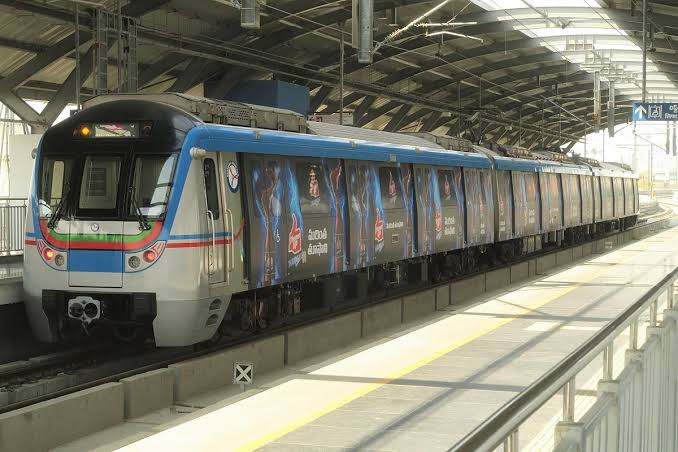
Public transportation in Indian cities is at a critical juncture. Despite massive investments in high-capacity systems like the Hyderabad Metro Rail, the dominance of private vehicles continues to choke urban centres.
The fix is not just about building more lines, it’s about creating a seamless, affordable, and dignified travel experience that makes public transport the preferred mode for the average commuter.
1. The Core Crisis: The Vicious Cycle of Decline
The failure of public transport systems in many Indian cities stems from a vicious cycle of decline:
* Low Investment/Poor Maintenance: Outdated fleets (over 30% of State Transport Undertaking buses are overaged), lack of maintenance, and insufficient routes lead to poor service quality.
* Unreliability and Overcrowding: Irregular schedules, slow speeds due to mixed traffic, and severe overcrowding create a poor user experience.
* Shifting to Private Vehicles: Commuters, especially those who can afford it, switch to cars and two-wheelers for certainty and comfort.
* Declining Ridership & Revenue: Lower ridership further shrinks the operating budget, making it harder to invest in upgrades, thus restarting the cycle.
2. Strategic Fix 1: Seamless, Integrated Mobility
The first priority is breaking down the barriers between different modes of transport (bus, metro, suburban rail, and last-mile services) to create a unified network.
A. Unified Institutional and Ticketing System
* Unified Metropolitan Transport Authority (UMTA): Create empowered UMTAs in every major city, including Hyderabad. This single body must govern the planning, financing, and coordination of all public transport (Metro, TSRTC, MMTS, and last-mile).
* “One City, One Card”: Implement a unified digital ticketing system for all modes. Commuters should be able to pay for the bus, metro, and even affiliated e-autos/e-bikes using a single smart card or mobile app (like the TSavaari app aims to do). This eliminates friction at transfer points.
B. Fixing the “Last-Mile” Barrier
The gap between a high-capacity station and the commuter’s final destination (the “last mile”) is where many Indian systems fail.
* Formalize and Electrify Feeders: Hyderabad Metro’s partnerships with Rapido, Mana Yatri, and local feeder operators like SVIDA show the way. This must be expanded and formalized with dedicated routes for electric autos, e-rickshaws, and mini-buses, ensuring they are affordable and run on fixed, predictable schedules during peak hours.
* Prioritize Non-Motorized Transport (NMT): Build continuous, safe, and universally accessible footpaths and cycling tracks around all transit hubs, encouraging walking and cycling for short distances.
3. Strategic Fix 2: Reimagining the Bus System
The bus remains the workhorse of Indian public transport due to its reach and affordability. The focus must be on upgrading quality and speed.
A. Dedicated Bus Priority and Technology
* Bus Rapid Transit (BRT) and Lanes: Allocate dedicated, segregated road space for high-frequency bus corridors, especially in high-density areas. Giving buses priority bypasses congestion, dramatically increasing speed and reliability, and lowering operating costs.
* Intelligent Bus Systems: Implement Real-Time Passenger Information Systems (PIS). Bus stops need digital displays showing estimated arrival times, and passengers should access this data via mobile apps. This improves certainty and trust.
B. Fleet Modernization and Electrification
* Electric Bus Transition: The Telangana government’s ambitious plan to roll out thousands of electric buses is crucial. E-buses are cleaner, quieter, and offer a smoother ride, improving passenger comfort.
* Operations Quality: Address operational challenges like fleet maintenance, battery degradation management, and contractual efficiency (as seen in reports from Bengaluru) to ensure high service availability and reliability.
4. Strategic Fix 3: Integrating Land Use and Transport
Ultimately, transportation problems are a symptom of poor urban planning. Fixing it requires integrating the city’s growth pattern with the transport network.
* Transit-Oriented Development (TOD): Implement the national TOD policy aggressively. This strategy promotes high-density, mixed-use development (residential, commercial, retail) within a 500-800 meter radius of Metro and suburban stations.
* Goal: Shorten trip lengths, increase walkability, and ensure a high captive ridership for the metro, which is essential for its financial viability.
* Value Capture Financing: Use the increase in land value created by public infrastructure (like the Metro) to help fund the system’s expansion and maintenance through tools like betterment levies or development charges around the station area.
Conclusion
Transforming public transportation in Hyderabad and India requires bold policy, technological commitment, and institutional reforms. By unifying ticketing, aggressively tackling the last-mile challenge, prioritizing buses through dedicated lanes, and fundamentally aligning city growth with mass transit via TOD, Indian cities can shift from being car-centric to mobility-centric, ensuring a cleaner, less congested, and more equitable urban future.

