

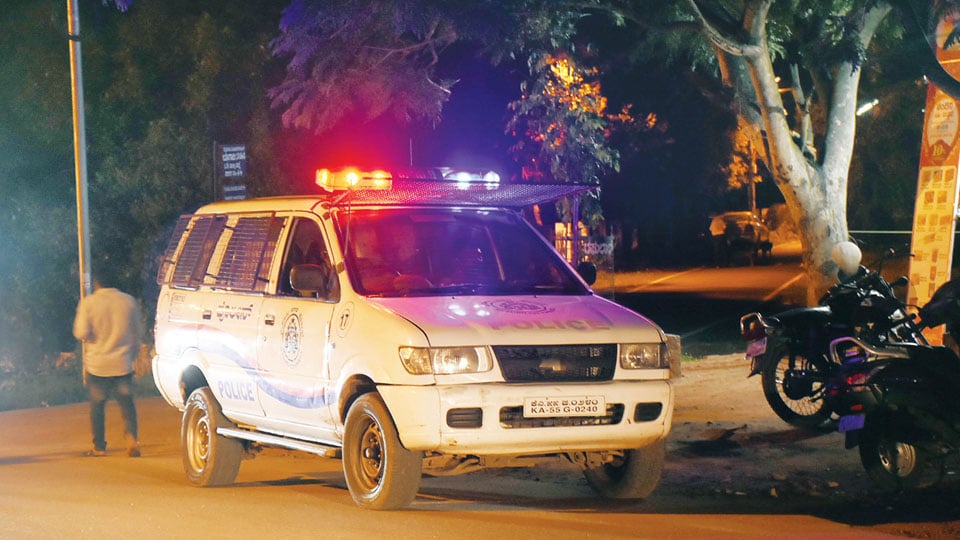
As the sun sets, the physical and psychological landscape of a city shifts. For law enforcement, the “graveyard shift” presents a unique set of challenges where reduced visibility, lower staffing levels, and higher risks of certain crimes intersect.
When police patrolling becomes minimal during these hours, it creates a “security vacuum” that can lead to increased response times and a heightened fear of crime among citizens.
The Challenges of Minimal Night patrols
Minimal patrolling at night is rarely a choice but rather a result of systemic constraints. Understanding these hurdles is the first step toward finding a solution.
* Resource and Staffing Shortages: Many departments face “power shift” dilemmas, where they must decide whether to concentrate officers during the day to handle administrative and traffic duties or at night to handle high-priority crimes.
* Reduced Natural Surveillance: During the day, the presence of pedestrians and open businesses acts as “informal surveillance.” At night, this vanishes, making police visibility the only significant deterrent.
* Officer Fatigue and Safety: Working in darkness increases the risk of tactical errors. Dimly lit environments make it harder to identify threats, and the physiological toll of shift work can impact an officer’s reaction time and decision-making.
Strategic Solutions: Beyond “More Boots on the Ground”
Simply adding more officers is often financially impossible. Instead, departments are turning to intelligent resource allocation and integrated technology.
1. Hotspot Policing and Predictive Analytics
Instead of random patrolling, agencies are using “Crime Forecasting” software. By analyzing historical data, police can identify specific “hotspots” where crime is most likely to occur at night.
* The Impact: Concentrating patrols in a small, high-risk area for just 15–20 minutes at random intervals can create a “residual deterrence” that lasts long after the squad car has left.
2. The “Lighting as a Guardian” Strategy
Research shows that improved street lighting is one of the most effective ways to supplement low police presence.
* Visibility: Better lighting makes police vehicles more visible to potential offenders, magnifying the perceived presence of the law.
* Community Use: Brightly lit areas encourage “prosocial” use of space (people walking dogs, late-night joggers), which restores the informal surveillance lost at sundown.
3. Technological Force Multipliers
When human officers are few, technology acts as an extra set of eyes:
* Thermal Imaging & Drones: These tools allow officers to survey large areas (like parks or industrial zones) without entering them blindly, maintaining the element of surprise and increasing safety.
* Gunshot Detection Systems: Sensors can instantly alert dispatch to the exact location of a discharge, bypassing the delay of waiting for a citizen to call 17-911.
A Path Forward: The “Hybrid” Model
The most effective solution to minimal night patrolling is a hybrid approach that combines a visible police presence with “smart city” infrastructure.
By integrating LED lighting, AI-driven crime mapping, and rapid-response tactical units, cities can create a safety net that doesn’t rely solely on the number of officers on the street.
Ultimately, the goal is to move from a reactive stance (waiting for a call) to a proactive stance (preventing the crime before it happens through visible and intelligent presence).

