

The state of Indian roads is a tale of two extremes: the “Golden Age” of world-class expressways and the persistent struggle of “last-mile” urban chaos.
As of 2026, the question isn’t just whether the roads are suited for cars, but whether our cars and driving habits are evolving fast enough to match the infrastructure.
Are Indian Roads Suited for Cars?
The honest answer is: It depends on where you are.
1. The High-Speed Transformation
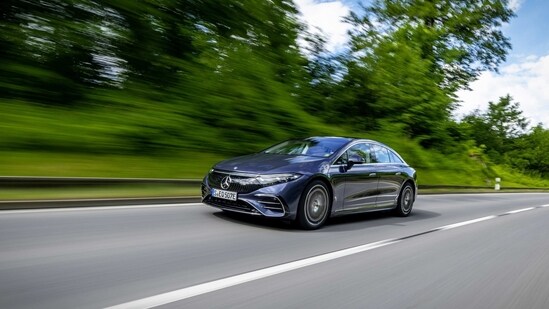
India has made massive strides in its National Highway network, which has grown by over 60% in the last decade. With over 3,000 km of access-controlled expressways (like the Delhi-Mumbai and Bengaluru-Chennai corridors), long-distance cruising is now a reality. For modern sedans and high-performance cars, these stretches are a dream—smooth, wide, and designed for speed.
2. The “Urban Jungle” Challenge
While highways have improved, city roads often remain hostile to cars.
* The Ground Clearance Issue: Frequent unscientific speed breakers and deep potholes mean that cars with low ground clearance (luxury sedans, hatchbacks) often suffer underbody damage. This is why SUVs and Crossovers have become the preferred choice for Indian families.
* Heterogeneous Traffic: Indian roads are “shared spaces” in the truest sense. Cars must navigate alongside bullock carts, e-rickshaws, pedestrians, and livestock. Most road designs do not yet fully segregate these users, leading to constant braking and reduced fuel efficiency.
3. The Durability Tax
The “wear and tear” on a car in India is significantly higher than in Europe or North America. Dust, extreme heat, and monsoon flooding shorten the life of suspension components, air filters, and tires.
How to Make Indian Roads “Car-Ready”
To truly optimize India’s infrastructure for the growing number of private vehicles, the focus must shift from quantity (more kilometers) to quality (better engineering).
1. Standardized Road Engineering
* Eliminating “Black Spots”: The government is currently working to fix over 8,500 identified high-risk accident zones. Improving the geometry of turns and adding proper signage is critical.
* Scientific Speed Breakers: Replacing jagged “chassis-breakers” with IRC-standard (Indian Roads Congress) rounded humps would reduce vehicle damage and improve traffic flow.
2. Digital Infrastructure (V2X)
By the end of 2026, India is pushing for Vehicle-to-Everything (V2X) communication. By allocating the 30 GHz spectrum, cars will soon be able to “talk” to traffic lights and each other, warning drivers of hidden hazards or sudden braking ahead. This compensates for human error and poor visibility.
3. Smart Drainage Systems
The biggest enemy of Indian roads is the monsoon. Waterlogging turns asphalt into “Swiss cheese” (potholes) in weeks. Moving toward White Topping (concrete overlay) or pervious pavements in cities would prevent the seasonal disintegration of roads.
4. Barrier-Free Movement
The transition to GPS-based tolling and AI-powered Automatic Number Plate Recognition (ANPR) is set to remove physical toll plazas. This reduces idling time, saves fuel, and prevents the massive “bottleneck” congestion that plagues highways.
The Verdict
Indian roads are in a transition phase. While the “hardware” (the tarmac) is catching up via massive expressways, the “software” (traffic discipline and urban drainage) still needs a major upgrade.
For now, the best way to “make the roads suit the car” is a mix of better engineering and smarter technology like ADAS (Advanced Driver Assistance Systems), which are becoming a necessity to navigate the unique chaos of Indian traffic.

