

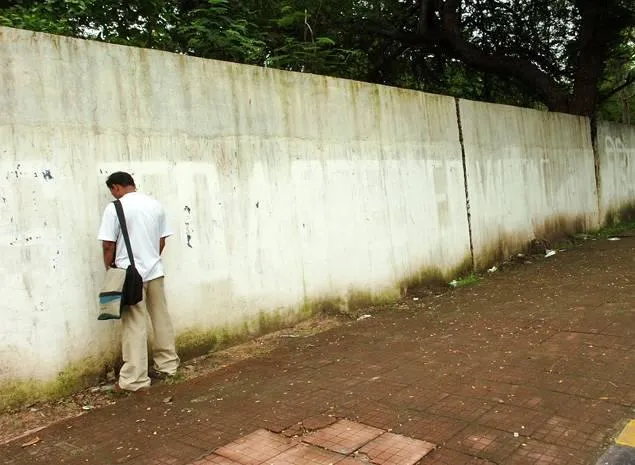
Public health and urban aesthetics in Indian cities, particularly in rapidly growing hubs like Hyderabad, face a persistent challenge: the “twin plague” of roadside urination and open defecation. While national missions have made historic strides in infrastructure, the sensory reality on many street corners remains dominated by a pungent ammonia stench.
As of early 2026, the battle has shifted from building toilets to maintaining them and changing ingrained public habits.
The Ground Reality: Hyderabad and India
India was officially declared Open Defecation Free (ODF) in 2019, but the journey toward “ODF++” (which focuses on faecal sludge management and toilet maintenance) is ongoing.
* The Numbers: In Hyderabad, recent data indicates a significant gap in facilities, with approximately one public toilet for every 10,000 citizens in a city of over 12 million. Experts suggest the city needs nearly 10,000 restrooms to be truly accessible.
* The “Vanishing” Toilet: Many prefabricated toilets installed during previous election cycles have become defunct or disappeared due to poor maintenance, leading to “Garbage Vulnerable Points” (GVPs) where people naturally gravitate to urinate in the absence of a clean alternative.
Steps the Government Should Take
To transition from a “stinking” city to a “smart” city, the Greater Hyderabad Municipal Corporation (GHMC) and other urban bodies must move beyond simple construction:
1. The “1-500” Accessibility Rule
Urban planning must ensure a public restroom is available within every 500 meters of high-traffic zones. This includes:
* Mobile “Auto-Toilets”: Small, towable units that can be stationed under Metro pillars or near busy markets and cleaned at central depots.
* Loo-Cafes: Promoting the “Loo Cafe” model—where a cafe and a luxury washroom coexist—ensures the facility generates its own revenue for maintenance.
2. Digital Monitoring and “Spot” Enforcement
As seen in recent 2026 sanitation drives, enforcement is key.
* Smart Sensors: Integrating Ammonia (NH3) sensors and IoT-based “Toilet Alert Systems” can notify cleaners in real-time when a restroom requires attention, preventing the buildup of pungent smells.
* Spot Fines: Strict implementation of fines for public urination, backed by CCTV and “Swachh Grahis” (sanitation volunteers), creates a necessary deterrent.
3. Engineering Out the Smell
The “pungent smell” is primarily caused by urea breaking down into ammonia in stagnant water or dry pipes.
* Waterless Urinal Technology: Implementing “one-way valves” (like the Zerodor system) allows liquid to pass but blocks odor-causing gases from escaping the drain.
* Enzymatic Cleaners: Moving away from harsh acids to bio-enzymatic cleaners that consume odor-causing bacteria at the source.
Prevention Through Social Engineering
Ultimately, a street remains clean only if the public values it.
* Place-Making: Turning chronic urination spots into “Selfie Points” with wall art, Rangoli, or small shrines has proven effective in many Indian neighborhoods. People are less likely to urinate on a wall painted with cultural heritage or vibrant art.
* The “Woloo” Model: Encouraging private businesses (restaurants, malls) to open their restrooms to the public via a certified “Loo Locator” app, expanding the network without new construction.
> Note: Cleanliness is a shared responsibility. While the government provides the “where,” the citizens provide the “how.”
Moving Forward
Addressing this issue requires a shift from viewing toilets as “waste disposal units” to viewing them as “essential urban infrastructure.”

