
Tuesday, March 3, 2026
Home Blog Page 2

The Buzzing Crisis: Unmasking Hyderabad’s Mosquito Menace

0

Hyderabad, the “City of Pearls,” is increasingly becoming the “City of Swarms.” As of early 2026, the mosquito menace has reached a tipping point, moving beyond a mere seasonal nuisance to a year-round public health crisis. While the Greater Hyderabad Municipal Corporation (GHMC) claims to spend crores annually on vector control, the reality on the ground—and a brewing fogging scandal—paints a far grimmer picture.


The Root of the Swarm: Why it’s Getting Worse
The explosion in the mosquito population is not an accident of nature; it is the result of rapid, often unchecked, urban degradation.
* Choked Water Bodies: Lakes like Kamuni Cheruvu, Fox Sagar, and Ibrahimbagh have become stagnant “mosquito factories.” Over 50% of these lakes are covered in water hyacinth, which prevents water flow and creates the perfect environment for larvae to thrive.
* Infrastructure Gaps: Many suburban areas lack proper drainage systems. Stagnant gutter water in open nalas (drains) and uncleared garbage piles provide endless breeding grounds.
* Urban Construction: The city’s real estate boom has left thousands of construction sites with stagnant water in cellars and pits, which are often overlooked by municipal inspectors.
* Climate Shifts: Unusual weather patterns, including unseasonal rains followed by high humidity, have extended the breeding season, making “mosquito season” a 365-day affair.


A Systemic Failure: The Government’s Oversight
Despite a dedicated entomology department and an annual budget estimated between ₹25 crore to ₹30 crore, the GHMC’s efforts have been widely criticized as “ineffective” and “superficial.”
* Maintenance Lapses: In late 2025 and early 2026, many lake maintenance contracts expired and were not renewed on time. This led to a total halt in removing water hyacinth, causing a massive surge in mosquito density in areas like Moosapet and Kukatpally.
* The “Invisible” Anti-Larval Operations (ALO): While GHMC reports millions of house visits, residents claim these are often just “paper entries.”
* Hospitals Under Pressure: In late 2025, hospitals like Niloufer and Gandhi were reportedly overwhelmed, with nearly 70% of beds occupied by fever patients. Daily dengue reports in the city have peaked at alarming rates.


The Recent “Fogging Scam”
Adding insult to injury is the recent exposure of a massive financial irregularity within the GHMC’s fogging operations in February 2026. Investigations and local reports have highlighted several disturbing trends:
* Diesel Diversion: Large quantities of diesel allocated for thermal fogging machines were allegedly diverted and sold on the black market.
* “Ghost” Fogging: Supervisors were caught taking fake signatures from residents to prove fogging was done, when in reality, the machines never entered the colonies.
* The “Fogging Fee” Extortion: In a shocking twist, it was revealed that some ground-level staff were demanding “donations” of ₹500 to ₹1,000 from apartment associations to perform the very services they are paid by the government to do.
* Ineffective Chemicals: There are allegations that the chemicals used in some zones were heavily diluted, rendering the “smoke” useless against adult mosquitoes.


Prevention: What Can Be Done?
While the government must be held accountable, community-level prevention remains the first line of defense.
* The “Dry Day” Protocol: Spend 10 minutes every Sunday emptying water from flower pots, birdbaths, and old tires.
* Biological Controls: Introducing Gambusia (mosquitofish) into local ponds and tanks can naturally keep larvae in check.
* Personal Protection: Use repellents containing DEET or Picaridin and install high-quality mesh screens on windows.
* Community Vigilance: Use the MyGHMC app to report stagnant water or request fogging, and insist on seeing the entomology staff’s logbook to ensure work is actually performed.


The Bottom Line
The mosquito menace in Hyderabad is a man-made disaster fueled by administrative apathy and corruption. Until there is transparency in how funds are spent and a consistent effort to rejuvenate the city’s lakes, the citizens of Hyderabad will continue to pay the price with their health.


Vishnu Vinyasam Telugu movie review

0

Star Cast: Sree Vishnu, Nayana Sarika, Satya, Brahmaji, Praveen, Murali Sharma, Srikanth Iyyengar, Satyam Rajesh, Srinivasa Reddy, Goparaju Ramana and others.
Director – Yadunaath Maruthi Rao.
Producer – Sumanth Naidu G.
Banner – Sree Subrahmanyeshwara Cinemas.
Music – Radhan.

Release date: 27th February 2026.

Coming to the story of the film it’s a Telugu comedy drama,Sree Vishnu plays the role of a numerology, horoscope obsessed junior lecturer from Ongole struggling to get married.

Manisha(Nayana Sarika) joins the same college as lecturer and coincidentally Vishnu will be her assistant.

Even Nayana Sarika is struggling to get married because of Dosha in her horoscope.

They fall in love but Manisha is hesitant to marry Vishnu due to her problems in her horoscope , Vishnu who is a firm believer in horoscopy avoids her.

The rest of the story is the reason behind the Horoscope episode, how Vishnu and Manisha overcome it get married and the drama ,comedy it creates in the process.

The story concept looks silly, after a while the film becomes boring.

Satya as Vishnu sidekick got a meaty role and did well, Srikanth Iyengar as heroine father, Murali Sharma as priest performed well.

Srinivas Reddy as an astrologer who exploits horoscope weakness of individuals did well.

Satyam Rajesh as a channel head was okay.

The background score by Radhan is not impressive.

Goparaju Ramana as hero father was impressive.

The story concept is not great and the director totally faltered in execution to generate comedy in the narration,Sree Vishnu performed well, Nayana Sarika partly glam partly performance was okay.

Rating: 1.5/5

AAFA Expands : Rayalaseema District Committees Officially Formed

0

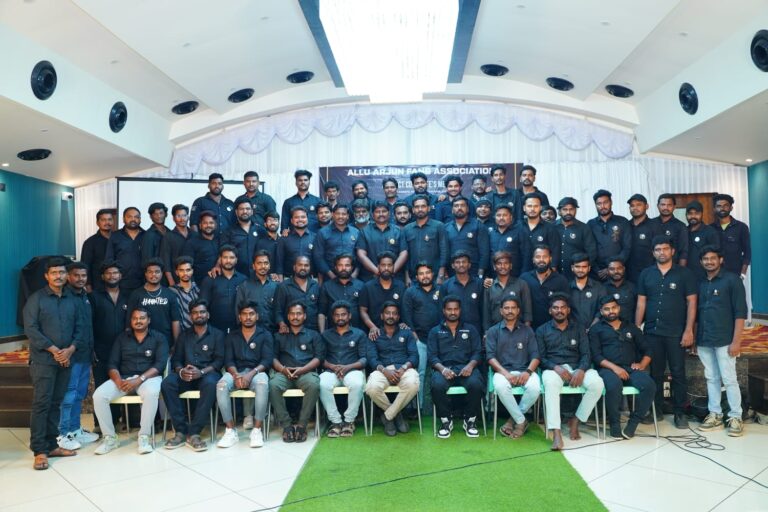
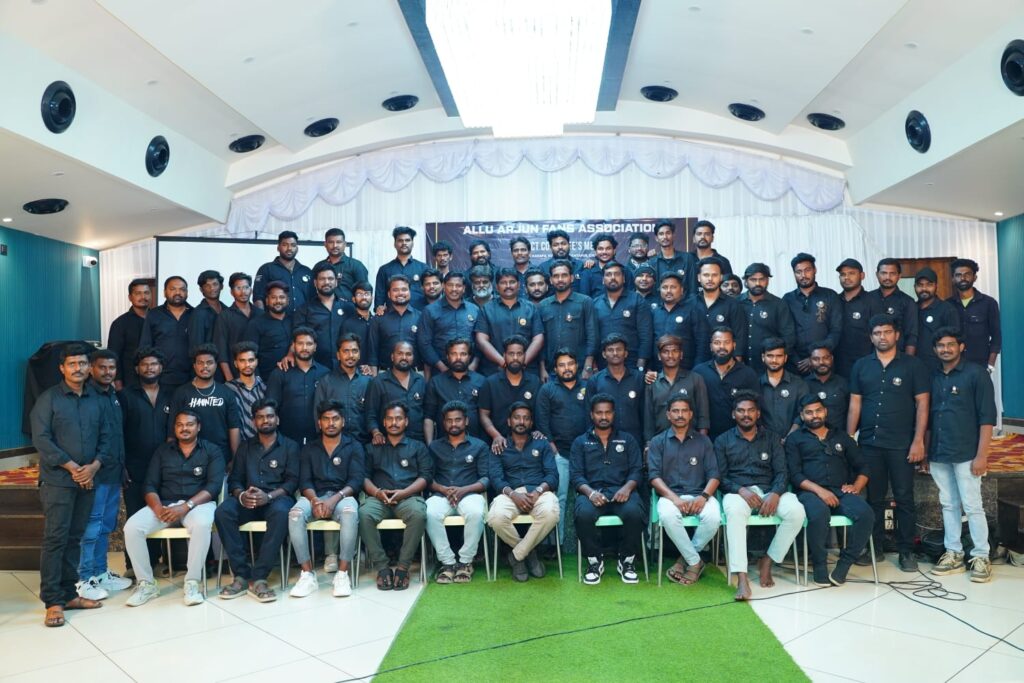
The Allu Arjun Fans Association (AAFA) continues to strengthen its commitment toward social responsibility and organized fandom with the official formation of district committees across the Rayalaseema region of Andhra Pradesh.

Inspired by Icon Star Allu Arjun’s vision — “One Good Deed Every Year” — the association has expanded its organizational structure to ensure impactful community engagement beyond cinema celebrations.

Expansion Across Rayalaseema

As part of this initiative, new AAFA district committees have been successfully constituted in:
Nellore,Kadapa ,Kurnool, Anantapur
Chittoor

These committees will serve as local leadership units, coordinating fan activities while promoting social awareness and community service initiatives.

Leadership and Organization

The formation of the Rayalaseema committees was carried out under the guidance of AP State President Shri Siva Sankar, who appointed dedicated District Presidents and office bearers committed to disciplined functioning and responsible leadership.

A Purpose Beyond Fandom

AAFA emphasizes that fandom extends far beyond celebrating movie releases and milestones. Each district committee has pledged to undertake at least one major social service activity every year, aligning with Allu Arjun’s philosophy of giving back to society.

Planned Social Initiatives

The association’s upcoming initiatives are expected to include:
• Public awareness programs
• Organized blood donation drives
• Educational assistance for students
• Welfare activities supporting the underprivileged

Building Responsible Fan Culture

With this expansion, AAFA aims to blend admiration for cinema with discipline, unity, and social responsibility. The organization envisions creating a positive and inspiring fan culture that contributes meaningfully to society while reflecting the values promoted by Allu Arjun.

The association extended heartfelt congratulations to all newly appointed district committee members and wished them success in carrying forward the mission of service and leadership.

Roadside urination and Open defecation challenges in India

0

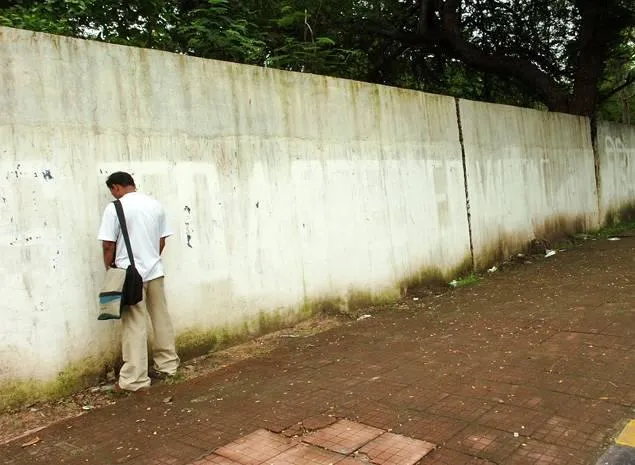
Public health and urban aesthetics in Indian cities, particularly in rapidly growing hubs like Hyderabad, face a persistent challenge: the “twin plague” of roadside urination and open defecation. While national missions have made historic strides in infrastructure, the sensory reality on many street corners remains dominated by a pungent ammonia stench.


As of early 2026, the battle has shifted from building toilets to maintaining them and changing ingrained public habits.
The Ground Reality: Hyderabad and India
India was officially declared Open Defecation Free (ODF) in 2019, but the journey toward “ODF++” (which focuses on faecal sludge management and toilet maintenance) is ongoing.


* The Numbers: In Hyderabad, recent data indicates a significant gap in facilities, with approximately one public toilet for every 10,000 citizens in a city of over 12 million. Experts suggest the city needs nearly 10,000 restrooms to be truly accessible.
* The “Vanishing” Toilet: Many prefabricated toilets installed during previous election cycles have become defunct or disappeared due to poor maintenance, leading to “Garbage Vulnerable Points” (GVPs) where people naturally gravitate to urinate in the absence of a clean alternative.


Steps the Government Should Take
To transition from a “stinking” city to a “smart” city, the Greater Hyderabad Municipal Corporation (GHMC) and other urban bodies must move beyond simple construction:
1. The “1-500” Accessibility Rule
Urban planning must ensure a public restroom is available within every 500 meters of high-traffic zones. This includes:
* Mobile “Auto-Toilets”: Small, towable units that can be stationed under Metro pillars or near busy markets and cleaned at central depots.
* Loo-Cafes: Promoting the “Loo Cafe” model—where a cafe and a luxury washroom coexist—ensures the facility generates its own revenue for maintenance.
2. Digital Monitoring and “Spot” Enforcement
As seen in recent 2026 sanitation drives, enforcement is key.
* Smart Sensors: Integrating Ammonia (NH3) sensors and IoT-based “Toilet Alert Systems” can notify cleaners in real-time when a restroom requires attention, preventing the buildup of pungent smells.
* Spot Fines: Strict implementation of fines for public urination, backed by CCTV and “Swachh Grahis” (sanitation volunteers), creates a necessary deterrent.
3. Engineering Out the Smell
The “pungent smell” is primarily caused by urea breaking down into ammonia in stagnant water or dry pipes.
* Waterless Urinal Technology: Implementing “one-way valves” (like the Zerodor system) allows liquid to pass but blocks odor-causing gases from escaping the drain.
* Enzymatic Cleaners: Moving away from harsh acids to bio-enzymatic cleaners that consume odor-causing bacteria at the source.


Prevention Through Social Engineering
Ultimately, a street remains clean only if the public values it.
* Place-Making: Turning chronic urination spots into “Selfie Points” with wall art, Rangoli, or small shrines has proven effective in many Indian neighborhoods. People are less likely to urinate on a wall painted with cultural heritage or vibrant art.
* The “Woloo” Model: Encouraging private businesses (restaurants, malls) to open their restrooms to the public via a certified “Loo Locator” app, expanding the network without new construction.
> Note: Cleanliness is a shared responsibility. While the government provides the “where,” the citizens provide the “how.”

Moving Forward
Addressing this issue requires a shift from viewing toilets as “waste disposal units” to viewing them as “essential urban infrastructure.”

Higher Petrol and Diesel prices in Telangana and it’s impact on state residents

0

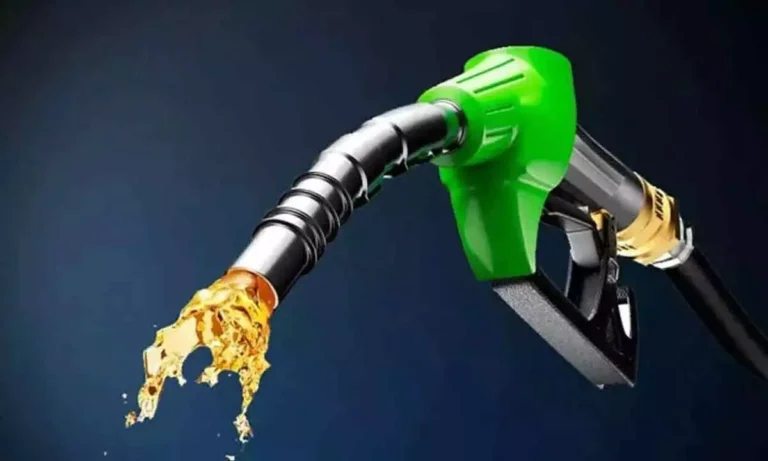
In cities like Hyderabad, petrol and diesel remain among the most expensive in India. As of 25 February 2026, the retail prices per litre in Hyderabad are around ₹107.46 for petrol and ₹95.70 for diesel.

Despite occasional nationwide price reductions, many motorists in Telangana continue to face prices that are higher than in many other parts of the country. Several key factors explain this trend:

1. High State Taxes (VAT and Cess)

The biggest reason for higher fuel prices in Telangana — and neighbouring Andhra Pradesh — is the high Value Added Tax (VAT) and other state levies that are added on top of the base cost of petrol and diesel.

Petrol and diesel prices include:

The cost of the fuel itself (linked to global crude oil prices),

Central excise duty (a national tax),

State VAT and additional tax levies that vary from state to state.

According to government data presented in Parliament, Telangana charges one of the higher VAT levels in the country — with state taxes alone adding significantly to the pump price.

Because VAT is a percentage of the fuel’s base cost, its impact increases whenever international crude prices rise — which means the final retail price can climb quickly under high VAT systems.


2. Prices Have Risen Faster Here Than Elsewhere

Over the past few years, petrol prices in Telangana have not only been high but have also increased faster than in many other major cities.

In the past five years:

Petrol prices in Hyderabad rose by more than 23 %,

This outpaced the increase in some larger metropolitan areas like Delhi and Mumbai during the same period.

Even when the central government reduced excise duty to ease prices nationally, Telangana’s fuel costs remained among the highest partly because its state-level VAT did not fall proportionately.

3. Global Oil Prices and Supply Chains

Petrol and diesel prices in India are also influenced by global crude oil prices and foreign exchange rates:

India imports most of its crude oil. When international crude prices rise due to global supply disruptions or geopolitical tensions, pump prices tend to go up too.

Similarly, when the Indian rupee weakens against the US dollar, fuel becomes more expensive in local currency.

Although Telangana’s fuel cost structure is the same national baseline as other states, high local taxes magnify the impact of these global price movements.

4. Lack of a Uniform National Tax (No GST on Fuel)

Unlike many other goods and services, petrol and diesel are not included under India’s Goods and Services Tax (GST). Without GST’s unified tax system, states have the freedom to impose their own high VAT rates and cess, leading to large price differences across states. This contributes to higher overall fuel costs in Telangana compared to some other regions.

5. Impact on Everyday Life

For motorists and businesses in Hyderabad and Telangana, high fuel prices have a ripple effect:

Commuting costs increase for two-wheeler riders, car owners, and public transport vehicles.

Goods transportation becomes more expensive, which can lead to higher prices of everyday essentials.

Inflationary pressures rise as fuel is a major input cost in many sectors.

Conclusion

In summary, the relatively high petrol and diesel prices in Hyderabad and Telangana are mainly driven by a combination of higher state taxes (VAT and levies), national tax policies, and external factors like global crude oil prices and exchange rates.

While central government tax changes can influence prices at the pump, state-level taxation remains a major determinant of the final cost that consumers pay — and in Telangana’s case, these state taxes are among the highest in the country.

Blockbuster “Couple Friendly” has grossed ₹12.67 crores worldwide within 10 days

0

The film “Couple Friendly,” starring Santosh Soban and Manasa Varanasi in the lead roles, is performing impressively at the box office. This heart-touching love story has collected a worldwide gross of ₹12.67 crores within just 10 days of its release. Currently running successfully in its second week, “Couple Friendly” continues to attract both youth and family audiences alike. By the end of its second-week run, the film is expected to post even stronger numbers at the box office.

“Couple Friendly” has been produced in Telugu and Tamil under the banner of UV Concepts, presented by the reputed production house UV Creations. Ajay Kumar Raju P. served as the co-producer, while the film is directed by Ashwin Chandrasekhar. The movie was released in Andhra Pradesh and Telangana by passionate producer and distributor Dheeraj Mogilineni.

Cast:
Santosh Soban, Manasa Varanasi, and others

Technical Team:
Art Director – Michael BFA
Editor – Ganesh Shiva
Director of Photography – Dinesh Purushothaman
Music – Aditya Ravindran
Executive Producer – SS Varma
Presented by – UV Creations
Produced by – UV Concepts, Ajay Kumar Raju P.
PRO – GSK Media (Suresh – Sreenivas)
Written and Directed by – Ashwin Chandrasekhar