India is entering a decisive phase in its development journey. With rising urbanization, growing middle-class aspirations, climate pressures, traffic congestion, pollution, and rapid industrial expansion, the country faces a fundamental question: should growth continue in a chaotic, reactive manner, or should India build an infrastructure-first civilization where roads, transit, utilities, housing, logistics, water systems, and digital networks are planned before uncontrolled expansion takes place?
An infrastructure-first civilization is one where governments prioritize long-term public infrastructure as the backbone of economic and social life. Instead of cities expanding randomly and infrastructure trying to catch up decades later, infrastructure leads development. Roads come before traffic jams, drainage before floods, transit before vehicle explosion, and industrial corridors before urban sprawl.
Countries such as Singapore, China, South Korea, and the United Arab Emirates transformed themselves by investing heavily in infrastructure decades ahead of demand. India now has the opportunity to do the same at a much larger scale.
Why India Needs an Infrastructure-First Model
India’s cities are under immense stress. Roads are dug repeatedly, flyovers remain incomplete for years, public transport is insufficient, drainage systems collapse during rains, and unplanned construction creates bottlenecks everywhere.
The consequences are severe:
Massive fuel wastage in traffic congestion
Declining productivity
Rising logistics costs
Poor road safety
Urban flooding
Air pollution
Stress and declining quality of life
Reduced investor confidence
Indian cities cannot become globally competitive if infrastructure always follows population growth instead of anticipating it.
An infrastructure-first approach changes this mindset completely.
What Infrastructure-First Civilization Means
Infrastructure-first civilization is not merely about building more roads or bridges. It is a complete governance philosophy.
It includes:
1. Transit-Oriented Development
Cities should grow around metro rail, suburban rail, bus rapid transit, and walkable neighborhoods rather than around private vehicles.
2. Integrated Planning
Roads, drainage, sewage, power lines, water pipelines, internet fiber, and public transport should be planned together instead of by separate departments working in isolation.
3. Future-Proofing
Infrastructure should be designed for population levels expected 20–30 years ahead, not merely for present needs.
4. Public Infrastructure Before Real Estate
Governments should build roads, schools, hospitals, transit, parks, and utility networks before approving massive residential projects.
5. Logistics and Industrial Connectivity
Ports, freight corridors, industrial parks, warehouses, and highways must operate as integrated economic ecosystems.
How Indian States Can Embrace It
Different states have different strengths, but all can adopt common principles.
Telangana and Andhra Pradesh
Cities like Hyderabad, Visakhapatnam, and Vijayawada can focus on:
Expanding metro and regional rail systems
Underground utility corridors
Elevated freight bypasses
Satellite town development
Integrated stormwater drainage systems
Smart traffic management using AI and sensors
Tamil Nadu
Chennai can become a manufacturing and mobility capital by integrating ports, suburban rail, EV infrastructure, and industrial corridors more effectively.
Karnataka
Bengaluru urgently needs transport-led urban redesign:
Multi-level transit systems
Peripheral ring roads
High-speed commuter rail
Better pedestrian infrastructure
Dedicated freight movement corridors
Maharashtra
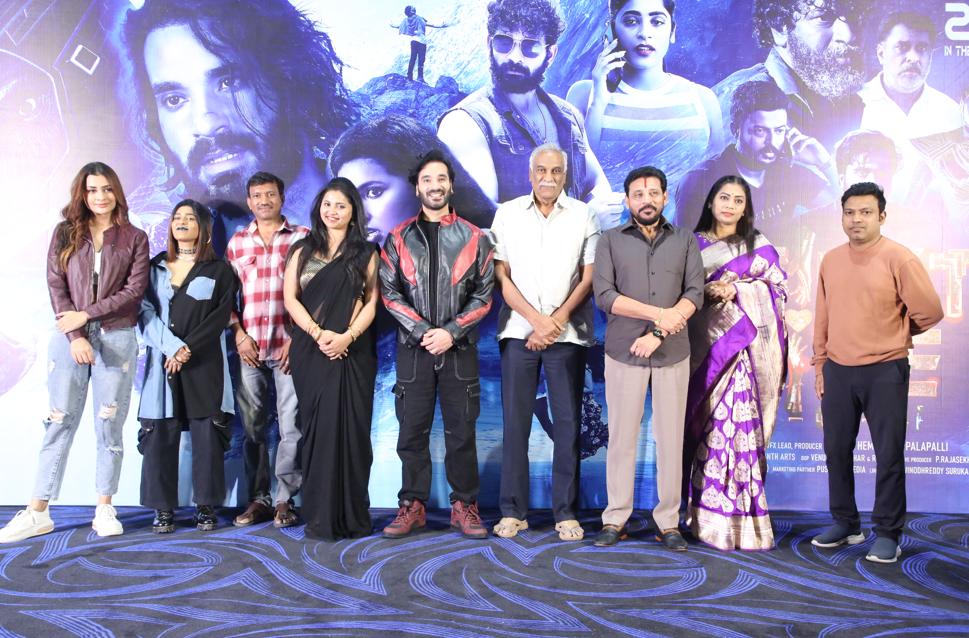
Mumbai shows how infrastructure can reshape economic power. Coastal roads, metro networks, and trans-harbor connectivity should be complemented with affordable housing and flood resilience planning.
Building Tier-2 and Tier-3 Cities Early
India’s biggest opportunity lies not just in megacities but in preparing smaller cities before they become overcrowded.
Cities such as:
Warangal
Tirupati
Coimbatore
Indore
Surat
can become planned growth centers if infrastructure is built proactively.
Instead of waiting for congestion and slums to emerge, governments should:
Reserve land for future roads and transit
Develop industrial parks early
Ensure digital connectivity
Build water security systems
Promote mixed-income housing
Create green public spaces
Public Transport Must Become the Backbone
India cannot sustain unlimited private vehicle growth. Infrastructure-first civilization requires strong public transportation.
The future lies in:
Metro rail
Electric buses
Suburban rail
Regional rapid transit
Cycling lanes
Walkable streets
Private vehicles should complement public transport, not replace it.
A worker should be able to travel across a city quickly, safely, and affordably without depending entirely on motorcycles or cars.
Water, Drainage and Climate Resilience
Climate change is making infrastructure planning even more critical.
Indian cities must invest in:
Urban lakes restoration
Rainwater harvesting
Floodwater channels
Underground drainage tunnels
Heat-resistant urban design
Green cover expansion
Infrastructure-first civilization also means environmental sustainability.
Concrete alone cannot build resilient cities.
Digital Infrastructure Is Equally Important
The future economy depends on digital connectivity.
States must prioritize:
Public Wi-Fi zones
Fiber-optic connectivity
Smart traffic systems
AI-based governance
Unified digital public services
Smart grids for electricity management
Digital infrastructure reduces corruption, improves efficiency, and saves citizens time.
Financing the Transformation
Infrastructure development requires enormous investment, but the long-term gains are far greater.
States can fund projects through:
Public-private partnerships
Municipal bonds
Land value capture financing
Infrastructure investment trusts
Transit-oriented real estate development
Long-term pension and sovereign funds
Efficient infrastructure increases productivity, attracts industries, boosts tourism, and raises property values.
Governance Reforms Are Essential
India’s biggest infrastructure challenge is often not engineering but governance.
Projects are delayed due to:
Land disputes
Poor coordination
Frequent policy changes
Corruption
Slow approvals
Solutions include:
Single-window clearances
Time-bound project execution
Unified metropolitan authorities
Independent infrastructure regulators
Transparent tender systems
Professional urban planning institutions
A Cultural Shift Towards Public Infrastructure
Infrastructure-first civilization also requires citizens to value public spaces and systems.
Society must move away from:
Encroachments
Illegal construction
Poor waste disposal
Excessive dependence on private vehicles
Short-term political thinking
Citizens should demand:
Better roads
Better buses
Better drainage
Safer footpaths
Reliable utilities
Cleaner public spaces
When public infrastructure improves, the quality of life improves for everyone, not just the wealthy.
Conclusion
India stands at a historic crossroads. The country can either continue with reactive urbanization filled with congestion, pollution, flooding, and infrastructure shortages, or it can become an infrastructure-first civilization where development is planned intelligently and executed ahead of demand.
The next twenty years will determine whether Indian cities become engines of prosperity or victims of uncontrolled growth.
Infrastructure is not merely concrete and steel. It is the foundation of productivity, dignity, safety, environmental sustainability, and national competitiveness.
If Indian states embrace infrastructure-first planning today, India can build cities that are faster, cleaner, safer, greener, and globally competitive for generations to come.
Infrastructure-First Civilization: How Indian Cities and States Can Embrace It
Remembering Legendary PRO and Film Journalist BA Raju on His 5th Death Anniversary, 21st May
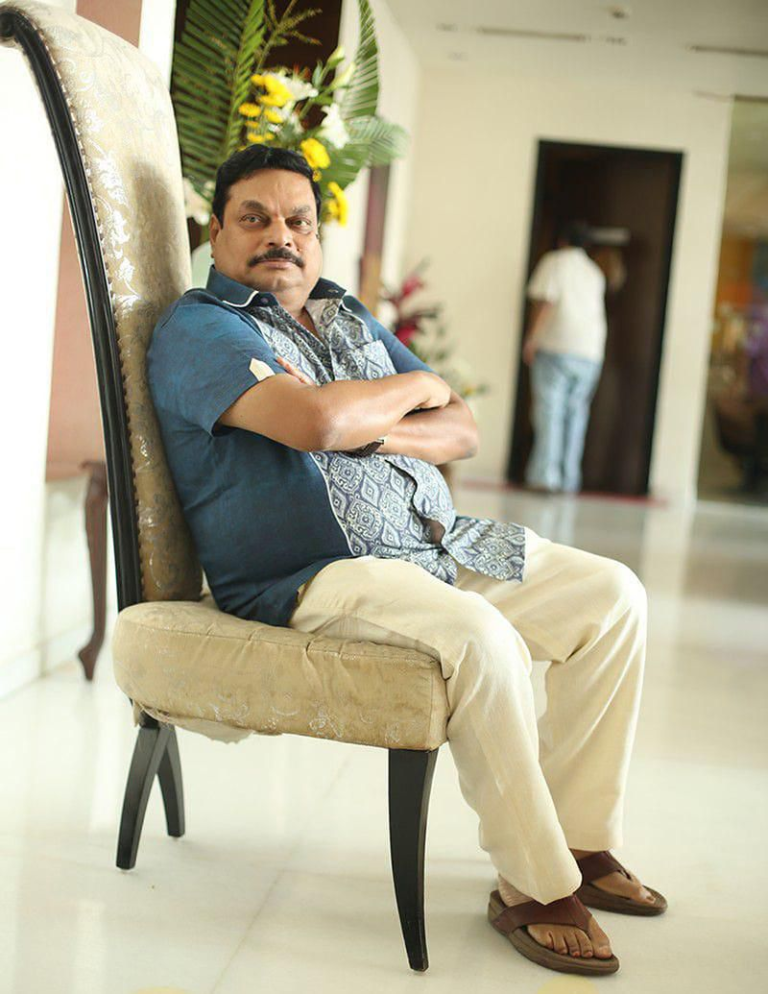
Today (May 21), the film world and countless fans fondly recall the remarkable path of BA Raju, a respected name in media and entertainment. As we mark his fifth death anniversary on May 21st, we look back at the lasting impact he created in the Telugu film industry.
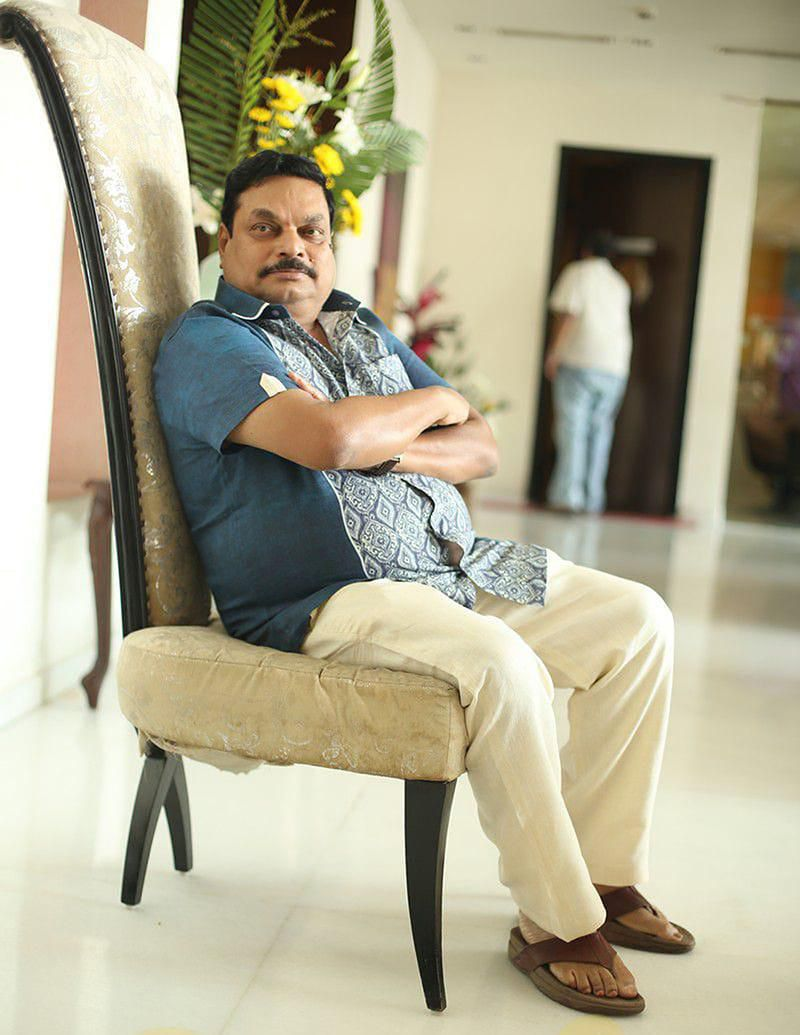
BA Raju was a true stalwart whose diverse career ran for over forty years. He made valuable contributions as a film journalist, Public Relations Officer, magazine and website editor, and noted producer. He began his journey as a PRO and carefully managed publicity for the legendary Superstar Krishna. Later he became a respected film journalist and led popular publications like Super Hit Weekly and Crazy World. BA Raju’s life showed deep commitment and love for cinema.
His work went beyond journalism when he entered film production with Friends and then RJ Cinemas. He delivered memorable films such as ‘Premalo Pavani Kalyan,’ ‘Chantigadu,’ ‘Lovely,’ and ‘Vaisakham.’ Working closely with his wife, the late B. Jaya, BA Raju’s films connected strongly with viewers and reflected his clear grasp of storytelling and craft.
During his celebrated career, BA Raju built strong bonds with top names in the industry. He gave guidance and support to directors, actors, and technicians. His professionalism and honesty earned him great respect from colleagues. His vast knowledge of cinema proved his sincere dedication to the field.
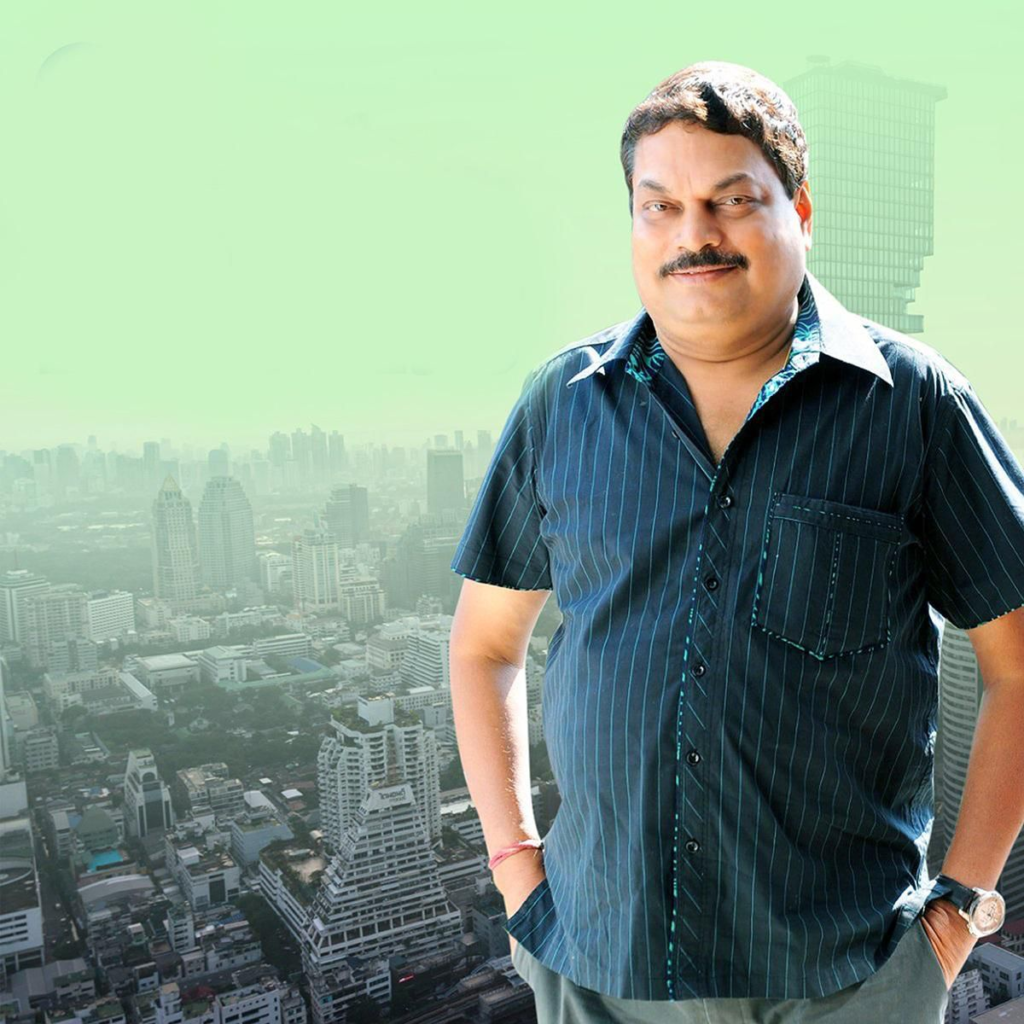
BA Raju shared a special connection with Evergreen Superstar Krishna and Superstar Mahesh Babu, which reflected the unity of the Telugu film family. As president of the Film Critics Association and a trusted mentor to many journalists, his influence still motivates young filmmakers and media professionals.
On this day, we honor the memory of BA Raju, whose love for cinema crossed limits and added richness to Telugu film culture. His legacy lives in the hearts of those who knew him. It reminds us of the timeless strength of stories and the deep value of BA Raju’s service to entertainment and film journalism.
India’s Wealth Divide: When Power, Fame and Influence Concentrate Wealth at the Top

India today stands at a strange crossroads. On one side, it is celebrated as one of the world’s fastest-growing economies, home to billionaires, luxury cars, private jets, and record-breaking stock markets.
On the other side, millions of ordinary citizens continue to struggle with rising fuel prices, costly healthcare, poor public infrastructure, unemployment, and stagnant incomes.
A growing concern among common people is that enormous wealth is increasingly being concentrated in the hands of a tiny elite — powerful politicians, film stars, senior bureaucrats, and large business families — while the majority of citizens fight for basic financial stability.
This widening gap is not merely about jealousy toward success. It is about fairness, accountability, equal opportunity, and the future direction of India’s democracy and economy.
The Rise of Extreme Wealth Concentration
Over the past two decades, India’s economic growth has created immense wealth. However, much of this wealth has accumulated at the top.
Large business groups dominate multiple sectors — telecom, infrastructure, aviation, retail, media, energy, and digital platforms. Political influence often determines who receives contracts, land access, mining rights, policy advantages, or regulatory flexibility.
At the same time:
Top film stars earn crores per film while also making huge income from endorsements, production houses, and investments.
Some politicians accumulate massive assets despite careers in public service.
Certain IAS and IPS officers allegedly misuse positions for land deals, kickbacks, and corruption networks.
Business elites gain from monopolistic advantages and close political relationships.
Meanwhile, the average Indian family faces:
High taxes on fuel and consumer goods
Rising education and medical costs
Expensive housing
Poor urban planning
Uncertain jobs
Weak public transport and healthcare
The result is a growing feeling that the system increasingly benefits those already powerful.
How This Impacts the Common Man
1. Rising Cost of Living
When wealth concentrates excessively at the top, governments often rely heavily on indirect taxes such as GST and fuel taxes to maintain revenue.
Indirect taxes affect everyone equally regardless of income. A billionaire and a middle-class worker pay the same GST rate on many goods. This disproportionately hurts ordinary citizens.
As costs rise:
Savings shrink
Household debt increases
Young people delay marriage or home ownership
Families compromise on healthcare and nutrition
2. Reduced Social Mobility
In a healthy society, talent and hard work should help people rise economically. But excessive concentration of wealth and influence weakens this principle.
Children of wealthy families often gain:
Better education
Strong business networks
Easier access to capital
Political connections
Media influence
Meanwhile, talented youth from ordinary backgrounds struggle with:
Poor schools
Limited opportunities
Unemployment
Competitive exams with fewer vacancies
Over time, society starts feeling “fixed” in favor of elites.
3. Corruption Weakens Public Services
When corruption becomes normalized among sections of politicians, bureaucrats, and contractors, public money meant for roads, hospitals, schools, drainage systems, and transport gets diverted.
The consequences are visible everywhere:
Dangerous roads
Poor street lighting
Flooded cities
Delayed infrastructure projects
Weak government hospitals
Water shortages
Unsafe public transport
The common citizen effectively pays twice:
1. Through taxes
2. Through private spending to compensate for failing public services
4. Political Capture of Democracy
Money increasingly influences elections:
Massive campaign spending
Media control
Paid promotions
Voter manipulation
Corporate lobbying
This creates a cycle where wealthy individuals and groups gain greater political influence, which then helps them accumulate even more wealth.
Democracy risks becoming less about public welfare and more about protecting elite interests.
5. Frustration Among Youth
India has one of the world’s youngest populations. But when young people repeatedly see:
unemployment,
nepotism,
corruption,
unequal opportunities,
and luxurious lifestyles of elites,it creates anger, cynicism, and distrust toward institutions.
A nation cannot remain stable if millions of educated youth feel excluded from economic progress.
Film Stars and Celebrity Culture
Film industries across India generate enormous wealth and influence. While successful actors deserve rewards for talent and hard work, celebrity culture sometimes creates unhealthy economic and social distortions.
Brands spend huge amounts on endorsements while farmers, teachers, scientists, and healthcare workers remain undervalued.
Excessive glorification of luxury lifestyles can also:
encourage unrealistic aspirations,
increase consumerism,
promote debt-driven spending,
and widen social dissatisfaction.
Honest Officers and Entrepreneurs Also Exist
It is important to avoid unfair generalization.
India also has:
honest IAS and IPS officers,
ethical politicians,
responsible entrepreneurs,
and socially conscious celebrities.
Many business leaders create jobs, pay taxes, build infrastructure, and contribute to innovation. Many civil servants work tirelessly under difficult conditions.
The real issue is not wealth itself. The issue is unchecked greed, corruption, abuse of power, monopolies, and lack of accountability.
Solutions: How India Can Reduce the Wealth Divide
1. Stronger Anti-Corruption Systems
India needs:
Faster corruption trials
Independent anti-corruption agencies
Transparent government procurement
Stronger whistleblower protection
Mandatory public disclosure of assets
Technology-driven governance can reduce human discretion and bribery.
2. Political Funding Reform
Election financing should become more transparent.
Possible reforms:
Public disclosure of political donations
Spending limits
Strong auditing of political parties
Reduced influence of anonymous funding
Democracy should not become dependent on corporate money.
3. Better Tax Balance
India relies heavily on indirect taxes.
A fairer system would:
reduce burden on essentials,
widen the tax base,
improve compliance among high earners,
and crack down on black money and tax evasion.
4. Invest More in Public Services
Instead of excessive concentration of resources in elite urban pockets, India must strengthen:
Government schools
Public hospitals
Public transport
Road safety
Affordable housing
Rural infrastructure
Good public services reduce inequality naturally.
5. Encourage Competition, Not Monopolies
Healthy competition creates innovation and fair pricing.
India must prevent excessive concentration of market power in a few corporate groups through:
stronger regulatory oversight,
anti-monopoly measures,
and support for MSMEs and startups.
6. Merit-Based Governance
Appointments, promotions, and contracts should prioritize merit and transparency over political or family connections.
Reducing nepotism is essential for restoring trust.
7. Financial Literacy and Responsible Consumption
Citizens must also avoid falling into traps of:
unnecessary luxury spending,
status-driven consumption,
and debt-fueled lifestyles promoted through social media and celebrity culture.
A strong middle class is built through savings, investment, education, and productivity.
Conclusion
India’s future cannot depend only on the prosperity of a tiny elite. A nation becomes truly strong when economic growth improves the lives of ordinary citizens — workers, farmers, teachers, small business owners, drivers, nurses, engineers, and young job seekers.
Wealth creation is important. Successful entrepreneurs, artists, and professionals should be rewarded fairly. But when wealth and power become excessively concentrated without accountability, inequality deepens, public trust erodes, and democracy weakens.
India’s greatest challenge is not merely becoming richer — it is ensuring that prosperity is broad-based, ethical, and inclusive.
A balanced society where opportunity is widely shared will always be more stable, innovative, and stronger than one divided between extreme luxury and everyday struggle.
‘Raw King’ Manchu Manoj’s Birthday Special: David Reddy Teaser Released, Grand Pan-India Release Planned for Dusshera
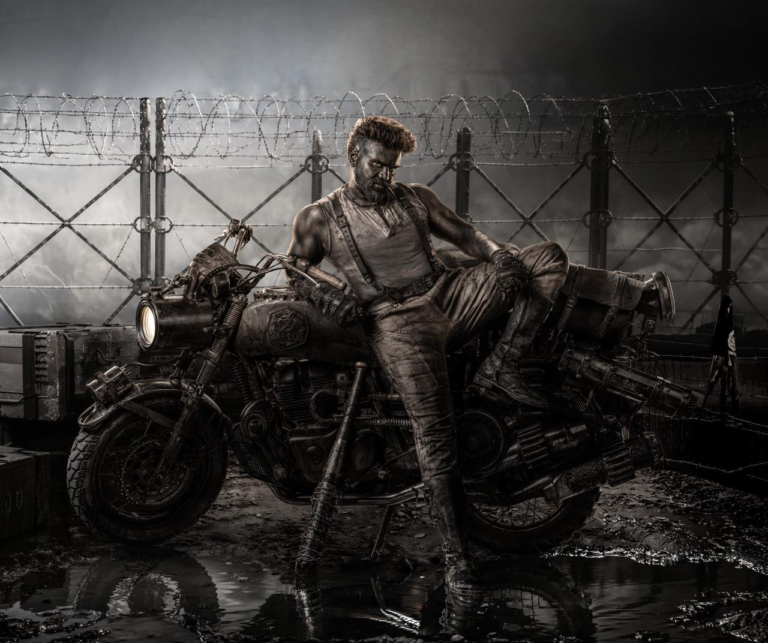
On the occasion of ‘Raw King’ Manchu Manoj’s birthday, the teaser of his upcoming film David Reddy has been released. The film is being produced by Nallagangula Venkat Reddy and Bharat Motukuri under the Velvet Soul Motion Pictures and True Radix banners. Directed by Hanuma Reddy Yakkanti, the movie is an intense action drama set against the backdrop of the British colonial era. Being made as a grand pan-India project in Telugu, Hindi, Tamil, Malayalam, and Kannada, the film is gearing up for a grand theatrical release this Dusshera season.
The teaser of David Reddy, unveiled today on Manchu Manoj’s birthday, showcases a visually rich and technically impressive cinematic experience. Set between 1897 and 1920 during British rule in India, every frame, visual, and casting choice reflects high production values.
Unlike Mahatma Gandhi’s path of non-violence, David Reddy chooses the path of violence to fight oppression. He launches fierce attacks against the British rulers who torture innocent Indians, striking fear into their hearts. National leaders like Nehru and Bose are shown becoming aware of David Reddy’s growing influence, while in London, discussions take place in the British Intelligence war room about the threat he poses to the Empire.
David Reddy’s bravery in single-handedly taking on 2,000 soldiers from 50 battalions, along with his willingness to betray the nation, fascinates the British authorities. They attempt to recruit him to work for their side. The teaser raises several intriguing questions: Why would a man who protects innocent people decide to betray his own country? Why did Indians themselves demand his arrest? What was David Reddy’s ultimate mission? And how did his love story with a British woman unfold?
The teaser keeps viewers engaged throughout with these gripping elements. At one point, the British fearfully refer to him not as David Reddy, but as “Rakshas Reddy,” highlighting the wild and dangerous side of his character. Manchu Manoj delivers an intense performance in the lead role, while his action sequences stand out as major highlights of the teaser.
Cast:
Manchu Manoj, Maria Ryaboshapka, Ramya Krishnan, Samuthirakani, Abhay Deol, Kanchana, and others.
Technical Team:
Producers – Bharat Motukuri, Nallagangula Venkat Reddy
Writer & Director – Hanuma Reddy Yakkanti
Music – Ravi Basrur
Director of Photography – Acharya Venu
Editor – Ujwal Kulkarni
Art Director – Talluri Krishna Mohan
Action Choreography – Supreme Sundar, Wing Chun
PRO – GSK Media (Suresh – Sreenivas)
Executive Producer – Kottu Ravikumar
Costume Designer – Manasa Nunna
“AIKYA DHAIRYA SENA SAMITHI Shall Become a Voice for the Voiceless”
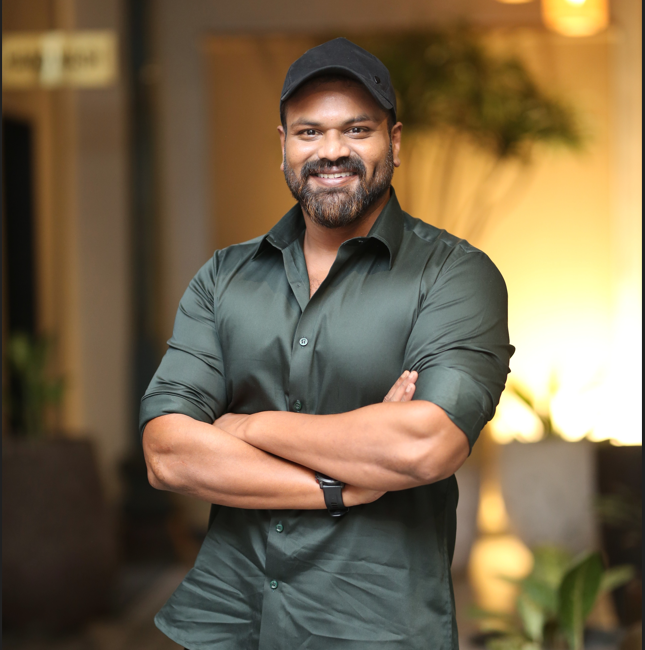
“AIKYA DHAIRYA SENA SAMITHI Shall Become a Voice for the Voiceless” – ‘RawKing’ Manoj Manchu Opens Up on Social Responsibility, Freedom of Speech, Films, Politics and Purpose During Extensive Media Interaction
‘RawKing’ Manoj Manchu held a heartfelt and extensive press meet where he spoke about AIKYA DHAIRYA SENA SAMITHI, social responsibility, freedom of speech, films, politics, women empowerment, upcoming projects and more.
Starting the interaction, Manoj spoke about the beginning of the organization and the thought behind its formation.
“So we thought to go statewide and started with blood camps. On the first day, we launched it at Kukatpally in Hyderabad. Then we did it at Kurnool, and I thank everyone who came forward. It was also conducted in Kakinada. Then it was conducted at Tirupati, Vizag and some other places. This will not stop. It shall continue, and I really wish to continue it. It will be a platform for the people who want to give back and serve society. And it shall become a voice for the people who are voiceless in society.
And the reason we named it AIKYA DHAIRYA SENA SAMITHI is because I strongly believe that if we keep getting divided, it is going to end badly. This division is the gift left behind by the Britishers. So we have to stay united, and that is why AIKYA. We ourselves wanted to hold strong respect, responsibility and fear for this trust, so we named it after our children Dhairav and Devasena. AIKYA DHAIRYA SENA SAMITHI is also our own child, and it shall be brought up with such care and concern.”
The interaction then continued with a detailed Q&A session.
Q: Do you have any agenda? Protocols?
Manoj: “As of now, no andi. We are seeking professionals to shape up everything. We started in a very unorganized way, and now we have started organizing it. And it’s not like we are limited to only this; we are open to everything. People are reaching out to us for various sorts of help.
For example, yesterday we had an influencers’ meet. They mentioned that if they raise their voice against biggies, they are putting video strikes on us, and we are getting threatening calls. And I told them that the AIKYA organization will stand by them. We shall take it legally forward and also assured them that we shall safeguard their freedom of speech. We are going to be very strong about such things. We are not going to step back.”
Q: So we know Manoj as a hero, Rocking Star, and then we saw you as a co-star and antagonist. So what is Manoj now?
Manoj: “I’m an actor. Just an actor.”
Q: Do you want to come into politics?
Manoj: “What is there to newly come into it when I’m born in it? On the people’s side.”
Q: Who is the decision-maker for your things?
Manoj: “I stopped agreeing to do films in 2016 because too many people were getting involved. So, Manoj is the only person that gets involved, and it is solely mine only. Even my wife Mounika stands as support to me, but we don’t make decisions for each other.”
Q: Do you have any strong support, or are you doing it on your own?
Manoj: “Of course, we are doing it on our own. If there are certain things that are beyond our capacity, we are reaching out for support and raising fundraisers. Like I said before, we are structuring it into an organization.”
Q: So is there any political agenda to this?
Manoj: “Absolutely no. We have been doing the service for a very long time. It’s just that we felt it’s time to shape it as an organization and make it a platform. That’s all. No political agenda.”
Q: Can you speak about the women empowerment aspect of your organization?
Manoj: “I always stand up for women’s issues. Then, now and always. If I say that I stand up for everyone, it includes women too. I don’t have to specifically mention it.”
Q: Did you put in your own money for this?
Manoj: “Yes, for now we are bringing in our own money. For the future, we have to figure it out.”
Q: How special is your birthday?
Manoj: “Well, I have to say it is very special. Usually, I celebrate with Tarak gaaru and legendary Sirivennela Seetharama Sastry gaaru, whom we are missing very badly. He is immortal.”
Q: You are very active on social media to raise your voice. Recently, you also spoke about the Bandi Bhageerath issue too. How do you plan on reaching out and being available to everyone and every issue?
Manoj: “See, I’m not a superhero who can be available to everyone and everything all the time. I have my own life and things to take care of, and that is the reason this organization is formed. And this trust functions regardless of my availability.”
Q: Well, what about the social issues?
Manoj: “One hundred percent, we will be the voice for the voiceless.”
Q: How can people reach out to your organization?
Manoj: *“On June 7th, with God’s grace, we are starting the movie *Rakshak. It shall have a grand ceremony. It is a women empowerment story, and I play a DCP. It addresses certain issues in society, how to handle them and how to take them forward. Director Naveen wrote a brilliant movie. He is debuting with this film, and he has been working on this for the last three years.
And along with that film opening, we shall announce the trust details, contact numbers, emails, and I shall put forward our rules of functioning.”
Q: Is it limited to one place?
Manoj: “It works for Telugu people anywhere.”
Q: Tell us about David Reddy.
Manoj: “The film’s glimpse is going to come out in a couple of days. That itself will do the talking. We are done with 40% of the shoot. It is a very big large-scale film. Hunman Reddy and Venu Acharya are not compromising on any aspect. Recently, we went to Indore for a 20-day schedule. The CM of the state and the official authorities took care of us very well. I thank the MP and Indore government for supporting us.”
Q: Are you choreographing anything in these projects?
Manoj: “We have an excellent team, so there wasn’t that need for me. They are coming out really well.”
Q: Speak about your physical transformation.
Manoj: “Everything is hard when it comes to transformation, and even physical transformation comes with challenges. It was really hard to control myself during the first three weeks. Once that phase is crossed, you are good.”
Q: What did your father say?
Manoj: “How can anyone do anything without that? Of course, I have my father’s blessing.”
Q: Are your family issues resolved?
Manoj: “If you know whom to ask, ask them.”
Q: What about the movie What The Fish?
Manoj: “Unfortunately, the film is not happening. Me, Satya and Vennela Kishore were very much excited, but due to some casting issues it got cancelled. We tried a lot, but it didn’t happen.”
Q: Can you speak about Mohana Raga?
Manoj: “It is coming out really good. We are making an album with very good musicians and technicians. Four songs are already recorded, and four more are left to go. It might take another two to three months to come out.”
Q: Tarak’s birthday and your birthday are on the same day, and both teasers are releasing on the same day. Everyone is waiting for them. How do you feel about it?
Manoj: “I’m excited. When there is good content, it doesn’t matter how many are coming.”
Q: You started a toy-making company and said you wanted to expand it. Talk about that.
Manoj: *“Yes, *Namasthe Toys* is the name and Namasthe World is the brand. Mounika gaaru is starting it in the Telugu states and Bengaluru with sports toys. It is also a platform, and within a couple of weeks we shall come up with complete details about it, and she herself shall speak about it.”*
Q: Your family has a political legacy too. Are you guys planning to get into politics directly?
Manoj: “My wife will definitely get into direct politics and actively contest in the next elections.”
Q: Do you plan to stand for MAA elections?
Manoj: “No. Not for me!”
Closing the interaction on a grounded yet optimistic note, ‘RawKing’ Manoj Manchu reiterated that both his social initiatives and cinematic journey are moving forward with equal passion and responsibility. With AIKYA DHAIRYA SENA SAMITHI gradually expanding its reach across regions, Manoj emphasized that the organization will continue evolving as a people-first platform dedicated to service, support and social responsibility.
On the professional front, Manoj currently has an exciting and diverse slate of projects in progress. While the large-scale action film David Reddy is progressing rapidly with nearly 40% of the shoot completed, Rakshak is gearing up for its grand launch ceremony on June 7th.
Balancing Cinema, social responsibility and public outreach simultaneously, ‘RawKing’ Manoj Manchu appears to be entering a new phase – one driven not just by screen presence, but by purpose, accountability and connection with the people.
Dheeraj Mogilineni Entertainments Releases Birthday Poster of Child Actress Kushi from “Summer Holidays”

Dheeraj Mogilineni has earned a successful reputation as both a producer and distributor by presenting content-driven films to audiences. Under his banner Dheeraj Mogilineni Entertainments, he is soon bringing a children’s film titled “Summer Holidays” to the audience.
Director Srikar is crafting “Summer Holidays” with a beautiful story that brings back nostalgic childhood memories. The film features Master Rohan, Master Arun, and Baby Kushi in key roles.
On the occasion of child actress Kushi’s birthday today, the makers released her special birthday poster from the film “Summer Holidays.” Khushi impressed everyone with her performance as Megastar Chiranjeevi’s daughter in the movie “Mana Shankara Varaprasad Garu.”
“Summer Holidays” is expected to bring even more recognition to Kushi. The film is gearing up for a grand theatrical release soon and promises to entertain audiences as an interesting family entertainer.
Cast:
Rohan Roy, Arun, Kushi and others
Technical Team:
DOP – Sai Prakash
Music Director – Sinjith Yerramilli
Banner – Dheeraj Mogilineni Entertainments
PRO – GSK Media (Suresh – Sreenivas)
Producer – Dheeraj Mogilineni
Story & Director – Srikar

Grand Pre-Release Event and Song Launch of the Movie “First Time”
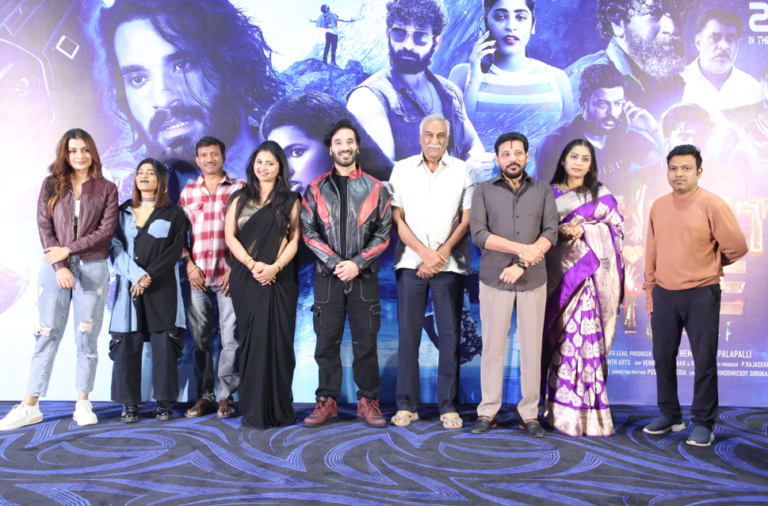
The pre-release event and the launch of the song “Ee Pilla Nenu Anukoneledu” for the upcoming movie “First Time” were celebrated grandly. Written, directed, edited, and produced by Hemanth Ippalapalli, the film is made on a low budget but boasts high technical values. It is being promoted as one of India’s most prestigious VFX-heavy films, uniquely created entirely with Human Intelligence (HI) rather than using AI for its high-end graphics.
The movie is scheduled to hit theaters on the 22nd of this month. Thammareddy Bharadwaj, Ex MLC Duvvada Srinivas, Bigg Boss Fame Divvela Madhuri and Gorgeous Heroine Payal Rajput attended as Chief Guests for the event.
Senior Producer Thammareddy Bharadwaj : “He praised director Hemanth for taking on multiple responsibilities (like director S.S. Rajamouli) and applauded the fresh concept brought by the young team. He urged the audience to watch the film on the 22nd and make it a success”.
Music Director Sri Venkat : “Saying Hemanth the pillar of the movie, he thanked the director for his trust on his musical work. He expressed confidence that the audience would love the film and requested media support”.
Artist Gayatri Gupta : “She appreciated the efforts of the director and praised strong personalities like Duvvada Srinivas, Madhuri, and Payal. She requested the audience to support this new kind of cinema”.
Actress Anicka Vikraman : “She thanked Payal Rajput for her constant support from the very beginning and asked for the audience’s blessings”.
Zee Chief Editor Bharat Kumar : “He noted that in an era of hero-centric films, ‘First Time’ is a true director’s film. He highlighted the VFX as a major strength and stated that encouraging such films will lead to more good cinema”.
Director Producer Hemanth Ippalapalli : “He credited Payal Rajput as the backbone who gave the team courage. He thanked everyone for their support and requested audiences to experience the film in theaters”.
Bigg Boss Fame Divvela Madhuri : “She mentioned that the film perfectly reflects a blend of Sanatana Dharma and modernity. She wished the entire team a great success”.
Former MLC Duvvada Srinivas, “He appreciated the director’s massive effort in handling multiple crafts single-handedly. He noted that the film beautifully portrays Lord Brahma and the functioning of the universe, making it a must-watch in theaters”.
Actor Saurabh Dhingra : “He thanked Spandana for taking the film to the market and praised the director for sacrificing family time to work on the film. He expressed a heartfelt thanks to Payal Rajput for her constant encouragement, saying, “Till now I was proud of you; now I will make you proud of me”.
Actress as Chief Guest Payal Rajput : “She wished the director the best, noting that he gave his all for this project. She confidently stated that post-release, the film’s VFX will be the talk of the town, create box-office records, and bring great recognition to the cast”.
Cast :
Saurabh Dhingra, Akhil Sarthak, Anicka Vikraman, Mime Gopi, Shiva, Bhupal Raju, Gayatri Gupta, Annapurnamma, Ajay Ratnam, Dhee Pandu & others.
Technical Crew :
Writer, Editor, VFX Lead, Producer & Director: Hemanth Ippalapalli
Music Directors: Sri Venkat, Sooraj S Kurup
Cinematography: Venu Muralidhar and Ram
Executive Producer: P. Rajasekhar
PRO: S. Nageswara Rao (SNR)
Marketing Partner: Pushyami Media
Publicity Designer: Venkat Majji