Sunday, March 8, 2026
Home Blog Page 68

Saiyara in the 500 Crore Club

“Saiyara,” a low-budget love story that surprised Bollywood circles with a twenty-five crore opening on its first day, is creating a sensation by increasing its collections day by day and collecting 200 crores in its first week itself.

Looking at this momentum, it is estimated that this film will easily join the 500 crore club. Directed by Mohit Suri and produced by Yash Raj Films, this film introduced Ahaan Panday and Aneef Paddaa as the lead actors. Unlike the recently dominant action films, a love story creating such a sensation is surprising everyone.

Megastar 157 film Third Schedule Completed

Megastar 157’s shooting is progressing at a brisk pace. Produced by Sahu Garapati and Sushmita Konidela under the Shine Screens banner in association with Gold Box Entertainments, the film is presented by Smt. Archana.

The unit recently completed its third schedule in Kerala. In this schedule, a song and crucial talkie portions were shot.

To mark the completion of the third schedule, the makers shared a photo of Megastar Chiranjeevi and director Anil Ravipudi standing in front of a private jet.

My life is not a served platter – Pawan Kalyan

‘Hari Hara Veera Mallu’, the film eagerly awaited by Power Star Pawan Kalyan fans and cinema lovers across the country, has hit the theaters amidst huge expectations. Premier shows began on the night of July 23rd.

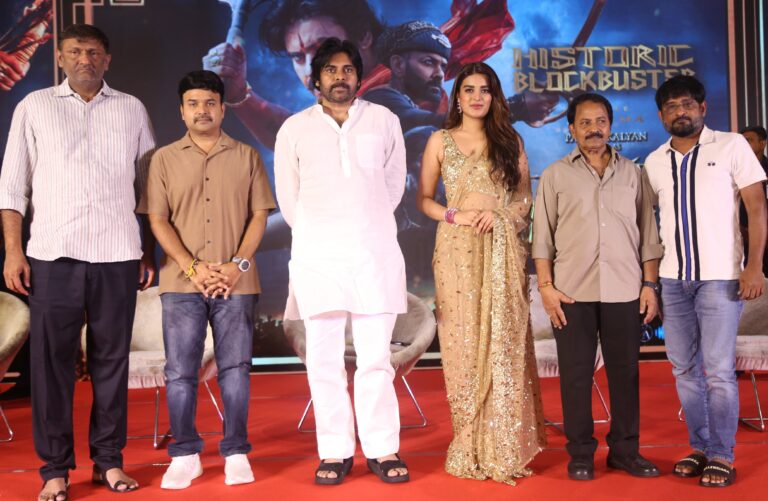
The film ‘Hari Hara Veera Mallu’ is receiving appreciation from all sections of the audience and is increasing its collections show by show. In this context, the film crew organized a success celebration, sharing their joy and expressing gratitude to the audience who are giving a grand reception to ‘Hari Hara Veera Mallu’.


Power Star Pawan Kalyan said, “My life is not a served platter. Nothing in my life happens so easily. I faced some difficulties even with the release of this film. In my 29-year film journey, this is the first time I’m promoting a film like this. Taking responsibility for this film also gave me a kind of joy. Emotions are important for any film.

What we remember when we go to a movie is what emotion we take home. The story of this film is related to the Mughals. The books we read only talked about Aurangzeb’s greatness, but not his evil deeds. The Mughals ruled for only 200 years. Chalukyas, Pallavas, Kakatiyas, Vijayanagara Empire ruled for hundreds of years.

But, in history, there is more mention of the Mughals. Those who wrote our history looked down upon our kings. During Aurangzeb’s rule, Hindus in Hindustan had to pay taxes to live as Hindus. We have fearlessly mentioned that in this film.

My knowledge of martial arts, my technical expertise, and my fighting spirit for public issues – all these together inspired me to design the Minutes pre-climax fight. Everyone who watched the film praised that episode, which made me happy.

This film is not about religions. We have shown the battle between good and evil in it. My special thanks to Mythri Movie Makers and People Media Factory for supporting Ratnam garu in the release of this film. The strength given by my fans is the reason why I stand so strong today. More than the collections and records this film is achieving, telling the hidden truth in history through this film gives me more joy.

After watching the film Shankarabharanam, I gained immense respect for classical music. This is an example of what a film can do. What matters in a film is how the story is told and how much inspiration it creates in the audience. In that regard, Veera Mallu film’s goal has been achieved. Some people have given some technical suggestions. We will consider those issues for the second part.

We have shown in this film that our country possesses knowledge more valuable than Kohinoor. In Hari Hara Veera Mallu, we have told many truths hidden in history. In my opinion, that is the true victory. I felt it was my responsibility to stand by Ratnam garu, who made such a great film.”

Hari Hara Veeramallu movie review

Genre: Historical Action Drama

Producer: A.M Ratnam
Director: Krish Jagarlamudi, Jyothi Krishna
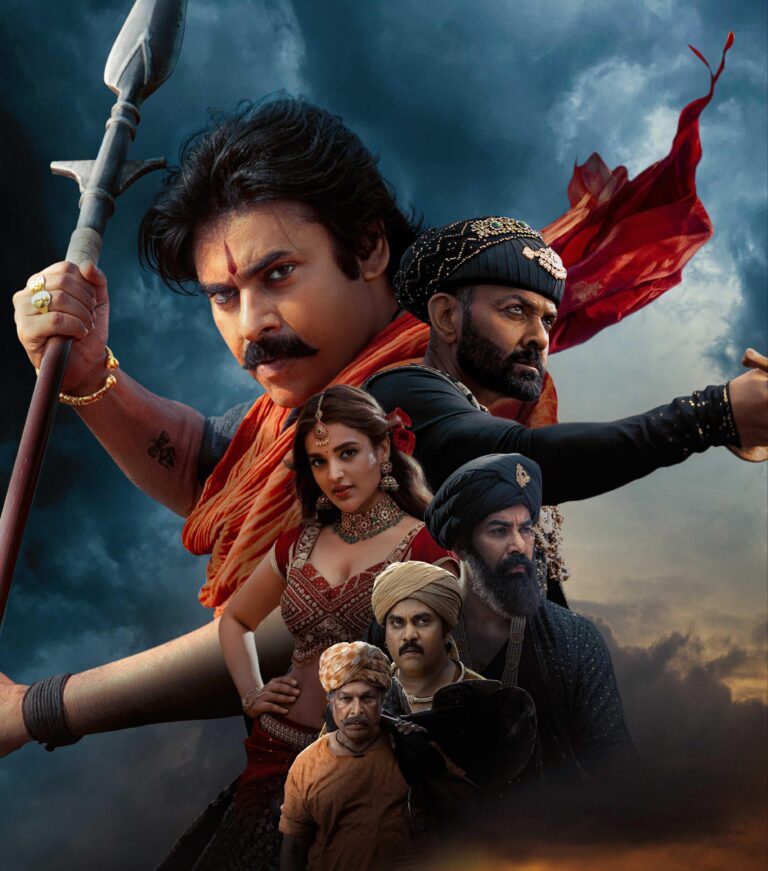
Starring: Pawan Kalyan, Nidhhi Agarwal, Bobby Deol,Nasar,Sunil,Satya Raj,Raghu babu
Release date: 24th July 2025


Hari Hara Veera Mallu is a period action drama set in the 17th century Mughal era. The film follows the journey of Veera Mallu (played by Pawan Kalyan), a heroic outlaw who dares to challenge the mighty Mughal Empire by planning the audacious heist of the Kohinoor diamond from the treasuries of Emperor Aurangzeb.

The film is all about Veera Mallu revolt against mughals oppression of Hindus and Hinduism.

Diamond heist for the pride of Hyderabad and Kollur supported by Deccan ruler is the pathway to get to and go against the mughal empire headed by evil Aurangazeb(Bobby Deol) for the protagonist.

Nidhi Agarwal plays Pawan Kalyan’s love interest in the journey, Sunil, Nasar are his side kicks.

Part 1 ends with a lead to tussle between Veeramallu and Aurangazeb, with a story to follow in Part 2 how Veeramallu steals Kohinoor diamond and captures red fort.

Pawan Kalyan’s performance and his action episodes stand out, VFX is poor and amateurish. The story line is flawed with the director not sticking to one central plot and it goes direction-less and ends up as spice-less kichdi.

Rating:  (2/5)

AI Cartoon of the day

0

One Family, One Job: A Potential Game-Changer for India’s Employment Landscape

0

India, a nation with a burgeoning youth population, grapples with the persistent challenge of unemployment. While economic growth has been significant, the creation of formal, secure jobs has not always kept pace with the aspirations of millions. In this context, the concept of “One Family, One Job” (OFOJ) emerges as a compelling idea, offering a potential pathway to alleviate poverty, enhance financial stability, and promote equitable development across the country. 


The Genesis and Existing Models
While a nationwide “One Family, One Job” scheme by the central government is not currently in place, the idea has found traction at the state level. Notably, Sikkim implemented a “One Family One Job Scheme” in 2019, aiming to provide government employment to one member from every family that does not already have a government employee. Haryana also initiated a similar scheme in 1992.

These state-level initiatives typically target unemployed or underemployed individuals from economically weaker sections, offering employment in various roles, often at Group C and D levels. 


The core objective of such schemes is to address the fundamental need for a stable income and job security within a household. For many Indian families, a government job is not merely a source of livelihood but a symbol of social security, prestige, and a guaranteed future, complete with benefits like pensions, healthcare, and housing allowances. 


The Promise of OFOJ
Implementing a widespread OFOJ policy across India could yield several significant benefits:
Poverty Alleviation: By ensuring at least one stable income per family, OFOJ could lift countless households out of poverty, providing a safety net and empowering them to meet their basic needs and invest in their future.


Reduced Unemployment: While not a panacea, a well-structured OFOJ could significantly reduce the overall unemployment rate, particularly in rural and semi-urban areas where formal job opportunities are scarce.
Enhanced Financial Stability: A steady government income provides financial predictability, allowing families to plan for education, healthcare, and other essential expenses without the constant fear of economic uncertainty.


Improved Social Well-being: Economic security often translates into improved social indicators, including better health outcomes, reduced migration to urban centers, and greater community stability.
Boost to Local Economies: Increased disposable income at the household level can stimulate local demand and contribute to the growth of small businesses and services.


Skill Development and Empowerment: Many OFOJ schemes incorporate skill development programs, training beneficiaries for specific roles and enhancing their employability.


Challenges and Considerations
While the concept holds immense promise, a nationwide implementation of OFOJ presents significant challenges that require careful consideration:
Fiscal Burden: Providing government jobs to every family without one would entail a monumental fiscal burden on the state exchequer. The sheer number of potential beneficiaries could strain government budgets.


Job Availability and Quality: India’s government sector, while large, may not have enough suitable positions to accommodate such a vast number of individuals. Creating artificial or low-productivity jobs could lead to inefficiencies. The focus would need to be on creating meaningful roles that contribute to public service.


Fairness and Meritocracy: Ensuring fairness and transparency in the selection process would be crucial to avoid accusations of nepotism or political favoritism. Maintaining meritocratic principles while offering opportunities to deserving families would be a delicate balance.


Impact on Private Sector Employment: While the aim is to provide a safety net, an overemphasis on government jobs could potentially disincentivize entrepreneurship and private sector employment, which are vital for long-term economic growth.


Skill-Job Mismatch: Many unemployed individuals may lack the specific skills required for available government positions. Robust skill development and training programs would be essential to bridge this gap.


Sustainability: The long-term sustainability of such a large-scale program, particularly in terms of pension liabilities and recurring costs, would need meticulous planning and financial foresight.


The Way Forward
Instead of a blanket “one government job per family” mandate, a more nuanced and sustainable approach might involve:
Targeted Schemes: Focusing on specific vulnerable groups and regions with high unemployment rates, similar to existing state-level initiatives.


Hybrid Models: Exploring public-private partnerships where the government facilitates training and placement in private sector jobs, alongside limited government appointments.


Emphasis on Self-Employment and Entrepreneurship: Investing heavily in schemes like the Prime Minister’s Employment Generation Programme (PMEGP), Startup India, and Stand-Up India to foster self-reliance and job creation through entrepreneurship. 
Strengthening Existing Employment Programs: Enhancing the effectiveness and reach of schemes like MGNREGA, which provides guaranteed rural employment, and various skill development initiatives.


Reforming Government Recruitment: Streamlining and expediting the existing government recruitment processes to ensure timely and transparent hiring.
Investment in Infrastructure and Industry: Creating an environment conducive to private sector growth and job creation by investing in infrastructure, simplifying regulations, and promoting ease of doing business.


The idea of “One Family, One Job” resonates deeply with the aspirations of many Indians for economic security. While a nationwide, direct implementation faces formidable hurdles, the underlying principle of ensuring basic financial stability for every family is a noble goal. A pragmatic approach, combining targeted government interventions with robust support for private sector growth and skill development, holds the key to building a more equitable and prosperous India.

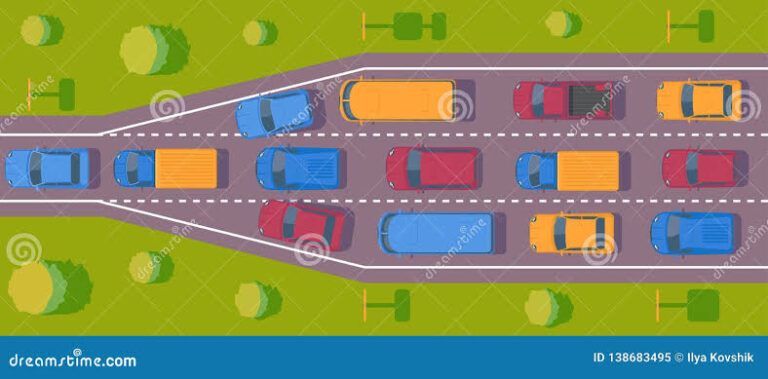
Choked Arteries: Navigating India’s Major Traffic Bottlenecks

0

Indian roads, particularly in its rapidly urbanizing cities, are increasingly becoming synonymous with gridlock.

What was once an occasional inconvenience has morphed into a daily struggle, impacting productivity, the environment, and the overall quality of life.

Major traffic bottlenecks are not just isolated incidents but rather a symptom of a complex interplay of factors, transforming Indian cities into some of the slowest globally. 


The Anatomy of a Bottleneck: Key Contributing Factors
Several critical elements conspire to create the persistent traffic bottlenecks witnessed across India:


Explosive Vehicular Growth vs. Lagging Infrastructure: India’s economic growth has fueled a massive surge in private vehicle ownership. However, road infrastructure, especially within urban centers, has simply not kept pace. Roads are often too narrow, and the rate of new road construction or expansion pales in comparison to the influx of vehicles. This is evident in cities like Bengaluru, where despite metro construction, the sheer volume of vehicles continues to overwhelm the existing network. 


Inadequate Public Transportation: A significant reason for the reliance on private vehicles is the insufficient and often overloaded public transport system. In many cities, public buses and trains struggle to meet the growing demand, forcing commuters to opt for personal cars and two-wheelers, further clogging the roads. 


Poor Urban Planning and Design Flaws: Haphazard urban development, often without scientific planning, contributes heavily to congestion. Many newly constructed flyovers and underpasses, intended to ease traffic, ironically create new bottlenecks due to faulty geometric designs, sudden narrowing of lanes, and inadequate width at landing points. The conversion of residential areas into commercial spaces without corresponding infrastructure upgrades also adds significant traffic load. 


Lack of Traffic Discipline and Enforcement: A pervasive issue on Indian roads is the disregard for traffic laws. Lane indiscipline, illegal parking, wrong-side driving, and a general lack of adherence to road rules exacerbate congestion and lead to frequent minor accidents that trigger cascading traffic jams. 


Construction and Maintenance Work: While essential for long-term improvement, ongoing construction activities for new roads, metro lines, or utility upgrades often lead to lane closures and diversions, creating temporary but severe bottlenecks that can last for extended periods.


Uncontrolled Encroachments: Illegal encroachments on roads and footpaths by street vendors and other unauthorized structures further reduce carriageway width, impeding smooth traffic flow.


The Far-Reaching Impact of Congestion
The consequences of these bottlenecks are profound and multi-faceted:


Economic Losses: Hours lost in traffic translate directly into lost productivity for individuals and businesses. This impacts lead times, increases logistics costs, and reduces overall operational efficiency for industries. Studies have estimated significant economic losses due to congestion in major Indian cities. 


Environmental Degradation: Stalled vehicles with idling engines contribute heavily to air and noise pollution. This leads to increased respiratory illnesses and a general decline in urban air quality, making cities like Delhi and Kolkata among the most polluted globally. 


Health and Well-being: Prolonged exposure to traffic congestion leads to increased stress levels, fatigue, and frustration for commuters. It also contributes to various health issues due to constant exposure to pollutants.


Reduced Quality of Life: The daily grind of navigating traffic jams significantly diminishes the quality of life for urban residents, impacting leisure time, family life, and overall mental well-being. 


Increased Fuel Consumption: Vehicles stuck in slow-moving traffic consume more fuel, leading to higher costs for commuters and increased carbon emissions.


Towards a Smoother Ride: Potential Solutions


Addressing India’s traffic bottleneck problem requires a comprehensive and multi-pronged approach:


Strengthening Public Transportation: Investing heavily in expanding and modernizing public transport networks, including increasing the frequency and coverage of buses and metro services, is crucial to encourage a shift away from private vehicles.


Intelligent Traffic Management Systems: Implementing advanced technologies like adaptive traffic signals, real-time GPS tracking of public transport, and integrated traffic management systems can optimize traffic flow and provide commuters with better information. 


Improved Urban Planning and Design: Emphasizing holistic urban planning with a focus on mixed-use developments, pedestrian and cycling infrastructure, and scientifically designed road networks is essential to prevent future bottlenecks. Strict enforcement of zoning regulations is also vital. 


Enhanced Enforcement of Traffic Laws: Stricter enforcement of traffic rules, including lane discipline, parking regulations, and penalties for violations, can significantly improve traffic flow. 


Promoting Sustainable Mobility: Encouraging carpooling, cycling, and walking through dedicated lanes and incentives can reduce the number of vehicles on the road. 


Flexible Work Hours and Remote Work: Promoting flexible work timings and remote work options can help spread out peak hour traffic demand. 


Congestion Pricing: Exploring congestion pricing models, where drivers are charged for using roads during peak hours, could incentivize the use of public transport or off-peak travel.


Strategic Infrastructure Development: While new roads and flyovers are necessary, they must be designed based on thorough traffic engineering principles to truly alleviate congestion rather than exacerbate it. Land acquisition for road widening and missing links must be expedited. 


India’s traffic bottlenecks are a formidable challenge, but with concerted efforts from government agencies, urban planners, and responsible citizens, a smoother, more efficient, and sustainable transportation future is achievable. The shift from a car-centric mindset to one that prioritizes public transport and sustainable mobility is key to unlocking the true potential of India’s urban centers.


Srivalli Mandanna Spreading Fragrances

Rashmika, who is excelling in her career, has also ventured into the business world, starting her own perfume line

https://deardiary.in/

Cashing in on her brand, she has currently launched online sales. It remains to be seen if this young lady will set up physical stores in the future. Lately, all actresses are showing foresight, opting to “make hay while the sun shines.”

An Indescribable Sweet Feeling Celebrity Designer Niharika Reddy

Niharika Reddy, herself a celebrity, a good actress, and a selfless social worker, is expressing immense joy that her husband, Kannan, is involved as a writer in the film “Hari Hara Veera Mallu.”

The renowned designer shared her happiness as follows:
“We have been eagerly awaiting Pawan Kalyan Garu’s ‘Veera Mallu’ movie for a long time. This film is very special to us because my husband, Kannan, worked as an additional story and screenplay writer for it.

After the Bonalu festival, this is another big film festival we are looking forward to! Working with Pawan Kalyan Garu is a huge achievement for Kannan.

His involvement in such a big project is a great celebratory moment for us! We are all very proud of him. The joy we feel when our own person, someone from our family, succeeds and progresses on their chosen path is truly unique! Many congratulations to Kannan.

Also, heartfelt thanks to Krish Annayya, who has traveled with Kannan since his first film and continues to include Kannan in his movies. I also sincerely wish producer Ratnam Garu that ‘Hari Hara Veera Mallu’ achieves spectacular success. The film is releasing this Thursday. We have already booked our tickets. We urge all of you to watch and enjoy the movie in theaters.”

AI Cartoon of the day

0

Cinema lovers eagerly awaiting Veera mallu Pawan Kalyan diamond heist on screen