

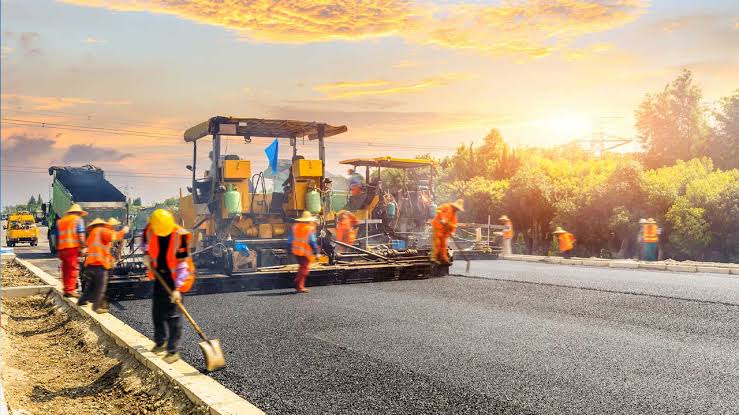
In 2026, India stands at a critical juncture in its infrastructure journey. With road fatalities still a major challenge, the focus has shifted from merely building more roads to building “Thinking Roads.”
Making Indian roads safer requires a “Safe System” approach—accepting that humans make mistakes and designing infrastructure that prevents those mistakes from being fatal. Here is how India is transforming its roads for every stakeholder, and the specific mandates the government is pushing to achieve these goals.
Protecting the Most Vulnerable: Pedestrians & Cyclists
Pedestrians and cyclists account for nearly 20% of road fatalities in India. The goal is to move from “jaywalking penalties” to “pedestrian-first” engineering.
Smart Crosswalks: IoT-enabled crossings that use thermal sensors to detect pedestrians waiting at a curb, automatically triggering LED warning lights embedded in the asphalt to alert oncoming traffic.
Acoustic Vehicle Alerting Systems (AVAS): With the rise of silent Electric Vehicles (EVs), the government now requires all new EVs to emit a synthetic sound at low speeds to alert pedestrians and the visually impaired.
Raised Intersections: “Tabletop” crossings that bring the road up to sidewalk level, forcing vehicles to slow down while providing a barrier-free path for those with disabilities.
Shielding the Two-Wheeler Majority
Motorcycles and scooters make up the bulk of Indian traffic and nearly 45% of accidents.
AI-Based Helmet Detection: Integrated Traffic Management Systems (ITMS) now use ANPR cameras to automatically detect and fine riders without helmets or those performing dangerous lane-splitting.
Dedicated Two-Wheeler Corridors: On high-density urban roads, physical segregation using “smart bollards” prevents larger vehicles from encroaching on bike lanes.
Anti-Skid Road Surfaces: Implementation of high-friction “rumble strips” and specialized coatings on curves to prevent “slide-out” accidents during heavy monsoons.
The Digital Co-Pilot: Cars & Private Vehicles
For private cars, the focus is on V2V (Vehicle-to-Vehicle) communication, expected to be fully notified by the end of 2026.
Fog-Safe Communication: V2V technology allows cars to “talk” to each other within a 360-degree radius. If a car breaks down in dense fog, it sends a digital signal to approaching vehicles long before the drivers see it.
Mandatory ADAS (Advanced Driver Assistance Systems): AI-powered features like Automatic Emergency Braking (AEB) are becoming standard, intervening when a driver is distracted or slow to react.
Professionalizing the Road: Buses, Trucks, and Lorries Heavy vehicles pose the highest risk due to blind spots and driver fatigue.
The 2026 ADAS Mandate: From April 1, 2026, all new trucks and buses (categories M2, M3, N2, N3) must be equipped with a specific safety package:
AEBS (Advanced Emergency Braking): Automatically applies brakes to prevent frontal collisions.
DDAWS (Driver Drowsiness & Attention Warning): AI cameras track facial cues and steering patterns to detect fatigue, triggering haptic alerts (vibrating seats).
BSIS (Blind Spot Information Systems): Radars specifically designed to detect pedestrians and cyclists in the driver’s blind zones.
Steps the Government Must (and is taking) Toward this Goal.
To move from intent to impact, the Ministry of Road Transport and Highways (MoRTH) and local bodies must prioritize these five pillars:
A. Infrastructure & Blackspot Removal.The government has identified 100 high-fatality districts for targeted intervention. This involves fixing “blackspots”—stretches where accidents recur—using data-driven engineering instead of just adding more signage.
B. The “Sadak Suraksha Mitra” Movement
Engaging the youth through programs like the Sadak Suraksha Mitra (SSM) volunteers. By training community leaders in first aid and the “Golden Hour” response, the government aims to ensure no accident victim is left without help.
C. Digital Enforcement & ICCCs
Expanding Integrated Command and Control Centers (ICCC) in every smart city. These hubs use AI to manage traffic signals adaptively, reducing congestion and the “frustration-led” speeding that often causes urban crashes.
D. Vehicle Scrappage and Safety Norms
Strengthening the National Road Safety Board to have autonomous power over vehicle safety standards, ensuring that even entry-level vehicles meet global crash-test benchmarks.
E. Post-Crash Care
Standardizing emergency response. Every 50 km on national highways should have a trauma-ready ambulance linked to a central GPS dispatch system to maximize survival rates.
- Summary of Safety Standards for 2026
| Vehicle Type | Mandatory Tech (by Oct 2026) | Primary Goal |
|—|—|—|
| Trucks/Buses | AEBS, DDAWS, Blind Spot Sensors | Mitigate Fatigue & Blind Spots |
| Passenger Cars | V2V SIMs & AEB (New Models) | Prevent Multi-Car Pileups |
| EVs (All types) | AVAS (Acoustic Alerting) | Pedestrian Awareness |
| Two-Wheelers | AI Surveillance (CCTV) | Behavioral Compliance (Helmets) |

