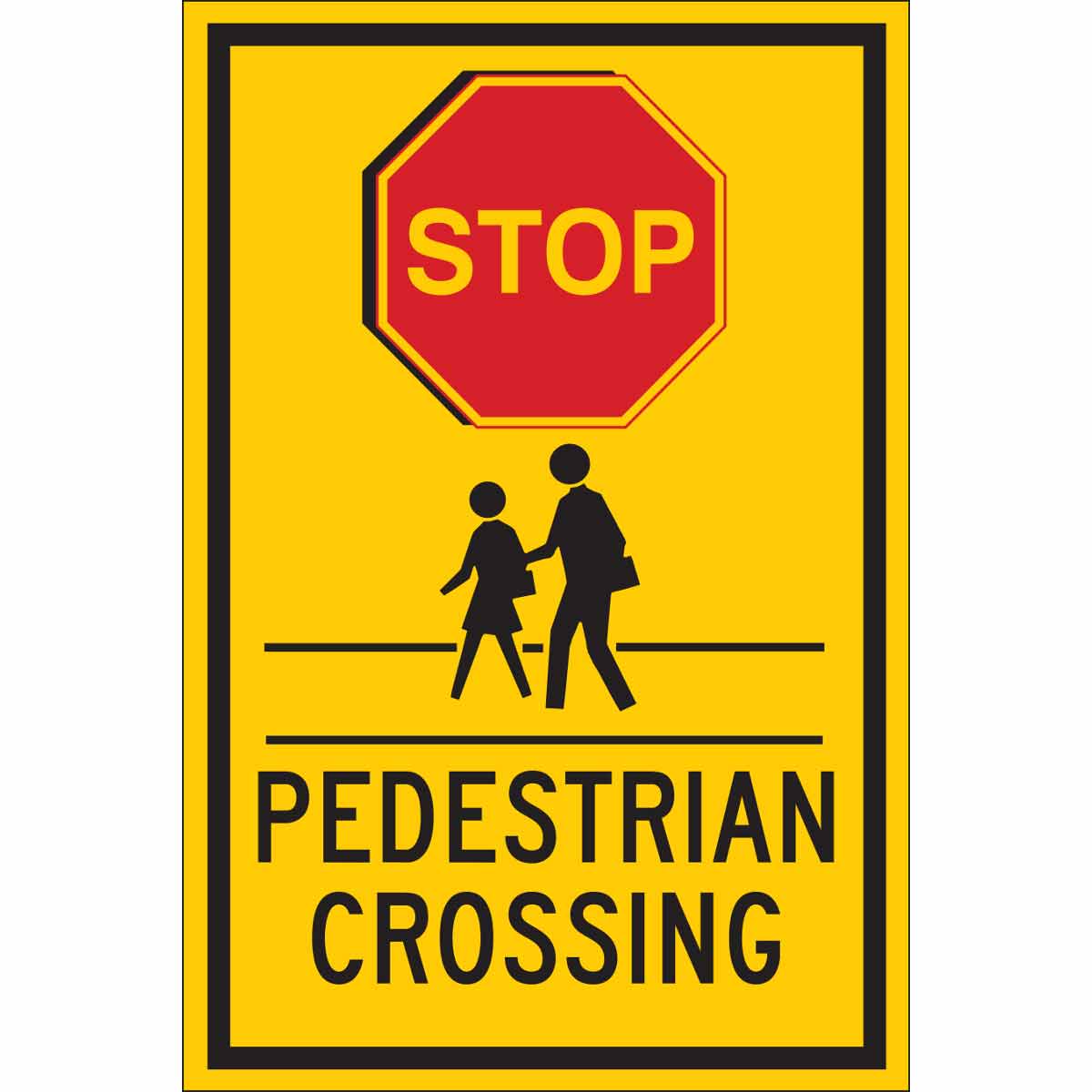

India’s roads are among the busiest in the world. With rapid urbanization, rising vehicle ownership, and expanding cities, pedestrians often find themselves at the bottom of the traffic priority list. Walking — the most basic and environmentally friendly mode of transport — has become increasingly unsafe and inconvenient in many Indian cities.
Major Difficulties Faced by Pedestrians
1. Lack of Proper Footpaths
In many cities and towns, footpaths are either missing, broken, too narrow, or encroached upon by vendors, parked vehicles, and utility poles. This forces pedestrians to walk on the road alongside fast-moving traffic, increasing accident risks.
2. Unsafe Road Crossing
Crossing roads is one of the biggest challenges. Zebra crossings are faded or ignored, pedestrian signals are absent or non-functional, and vehicles rarely yield. On wide multi-lane roads, pedestrians often run across gaps in traffic, putting their lives at risk.
3. High Traffic Speeds
Speeding vehicles, especially on arterial roads and highways passing through cities, make walking and crossing extremely dangerous. Many drivers fail to slow down near schools, markets, and residential areas.
4. Poor Infrastructure Design
Flyovers and underpasses are often built to ease vehicle movement but neglect pedestrian access. Foot overbridges, where available, may lack ramps or elevators, making them inaccessible to elderly people, children, and persons with disabilities.
5. Inadequate Lighting and Safety
Dimly lit streets and deserted walkways create safety concerns, especially for women and senior citizens during early morning and late evening hours.
6. Weak Enforcement of Traffic Rules
Even where pedestrian-friendly rules exist, enforcement is often weak. Drivers stopping on zebra crossings, ignoring red lights, or parking on sidewalks is common.
Why This Is a Serious Issue
According to various road safety reports, pedestrians account for a significant percentage of road accident fatalities in India. Walking is common among school children, elderly citizens, and low-income groups who may not own vehicles. Unsafe walking conditions disproportionately affect vulnerable sections of society.
Solutions to Improve Pedestrian Safety
1. Build Continuous and Accessible Footpaths
Cities must prioritize constructing wide, obstruction-free, and well-maintained footpaths. Designs should follow universal accessibility standards with ramps and tactile paving for visually impaired persons.
2. Safe and Visible Crossings
Clearly marked zebra crossings
Pedestrian traffic signals with countdown timers
Raised crosswalks and speed tables near schools and markets
Refuge islands on wide roads
These measures slow vehicles and make crossings safer.
3. Strict Speed Control
Lower speed limits in urban and residential areas
Installation of speed cameras
Speed breakers near pedestrian-heavy zones
Slower traffic significantly reduces the severity of accidents.
4. Better Urban Planning
Road projects should adopt a “complete streets” approach, giving equal importance to pedestrians, cyclists, public transport, and vehicles. Pedestrian pathways must be integrated into flyover and highway designs.
5. Strong Law Enforcement
Traffic police must strictly enforce rules related to yielding at crossings, illegal parking on sidewalks, and speeding. Heavy penalties can deter violations.
6. Public Awareness Campaigns
Drivers need education about pedestrian rights. Campaigns in schools, media, and driving institutes can promote respectful road behavior.
7. Community Participation
Local residents, RWAs, and civic groups should report damaged footpaths and unsafe crossings. Citizen feedback can help authorities prioritize improvements.
The Way Forward
Walking should not feel like a risky activity. A city that is safe for pedestrians is safer for everyone. Improving pedestrian infrastructure not only reduces accidents but also promotes healthier lifestyles, reduces pollution, and enhances overall urban quality of life.
If India aims to build smart and sustainable cities, prioritizing pedestrian safety must become a central part of transport planning — not an afterthought.
Pedestrian Difficulties on Indian Roads: Challenges and Solutions