

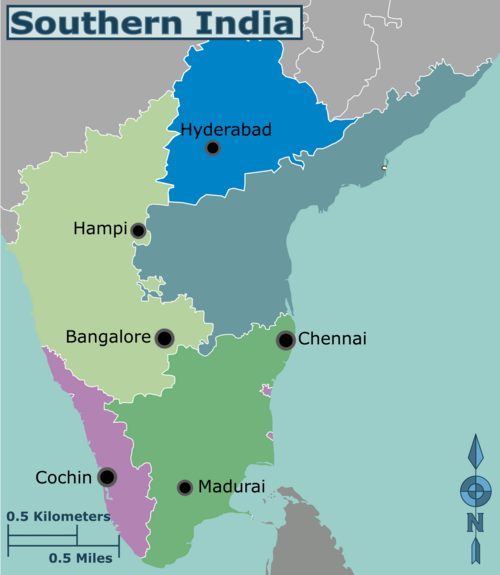
In recent years, the discourse around India’s economic development has been increasingly dominated by a perceived “North-South divide.” While Southern states—Tamil Nadu, Karnataka, Kerala, Andhra Pradesh, and Telangana—are often hailed as the nation’s economic engines, contributing a disproportionate share to the national GDP and tax pool, a growing sentiment suggests they are being “short-changed” in central infrastructure allocations.
From a lack of new greenfield airports to a perceived tilt in the National Highway grid and industrial corridors, the South is demanding a “fairer share” of the central pie.
The Infrastructure Gap: Reality or Perception?
The grievance primarily stems from the feeling that the Union Government’s “Viksit Bharat” vision prioritizes the development of the North and Northeast (as seen in the Purvodaya scheme) while the South is left to fund its own growth.
1. Airports and Aviation
While Bengaluru and Hyderabad boast world-class airports, they were largely products of older Public-Private Partnership (PPP) models. Recent central initiatives, like the massive expansion of the UDAN scheme and the development of new international gateways, have seen a heavy concentration in Uttar Pradesh (Jewar, Ayodhya, Kushinagar) and Gujarat. Southern states argue that their high-density tech and tourism hubs need a second wave of central-funded greenfield airports to keep pace with global competition.
2. National Highways and Expressways
The Bharatmala Pariyojana has undeniably improved connectivity, but a look at the latest expressway map shows a dense network connecting the NCR to peripheral states. Southern leaders have pointed out that critical corridors, such as the Chennai-Salem Expressway or the Bengaluru-Mangaluru industrial links, often face slower central approvals or funding bottlenecks compared to projects in the northern plains.
3. Industrial Corridors and “Special Packages”
A major flashpoint in 2025-26 has been the allocation of Greenfield Industrial Cities. While 12 new nodes were approved, the focus on the Amritsar-Kolkata and Delhi-Mumbai corridors is perceived as more robust than the support for the Vizag-Chennai or Bengaluru-Mumbai industrial belts. Furthermore, the lack of “Special Category Status” for Andhra Pradesh and limited port-led industrial funding for Kerala’s Vizhinjam have fueled the fire.
The Underlying Friction: The “Success Penalty”
The core of the issue is the Finance Commission’s formula, which rewards population control and social development—areas where the South excels—with a lower share of central taxes. This creates a “Success Penalty”:
* High Tax Contribution: Southern states contribute significantly to the GST and Direct Tax pools.
* Low Return: For every ₹100 contributed, some Southern states receive less than ₹30 back, whereas northern states often receive over ₹200.
> The Argument: Southern states argue that they need central infrastructure not as a “handout,” but as a “re-investment” to ensure the golden goose of the Indian economy keeps laying eggs.
Steps to Mitigate the Disparity
To maintain national cohesion and economic momentum, several strategic shifts are required:
1. Performance-Linked Infrastructure Incentives
The Union Government could introduce a “Performance Quota” for infrastructure. Instead of allocating based on “backwardness” alone, projects should be awarded based on Economic Efficiency and Export Potential. Since the South is a hub for electronics and automobile exports, prioritizing its ports and highways directly boosts India’s trade balance.
2. Cooperative Federalism 2.0
* The 50:50 Model: For high-cost projects like Metros and Expressways, a standardized 50:50 funding split between Center and State should be honored without the political “gatekeeping” of approvals.
* Institutional Support: Strengthening the South Indian Council to bargain collectively for regional projects (like a Southern High-Speed Rail Grid) could provide the necessary political leverage.
3. Monetizing Existing Success
The Center should help Southern states utilize Asset Monetization. By leasing out highly profitable brownfield assets (existing airports/highways in the South), the capital can be recycled into new local infrastructure, creating a self-sustaining cycle that doesn’t rely solely on central doles.
4. Directing Foreign Direct Investment (FDI)
The Center can act as a facilitator by directing sovereign wealth funds toward the South’s emerging “Silicon Valleys” and “Renewable Hubs,” offsetting the gap in direct central budgetary support.
Conclusion
The “South India Missing Quota” narrative is more than just regional politics; it is an economic warning. For India to reach a $5 trillion (and eventually $10 trillion) economy, its most productive regions cannot be allowed to hit an infrastructure ceiling. Balancing the scales is not just about fairness—it’s about fueling the engines that drive the entire nation forward.

