

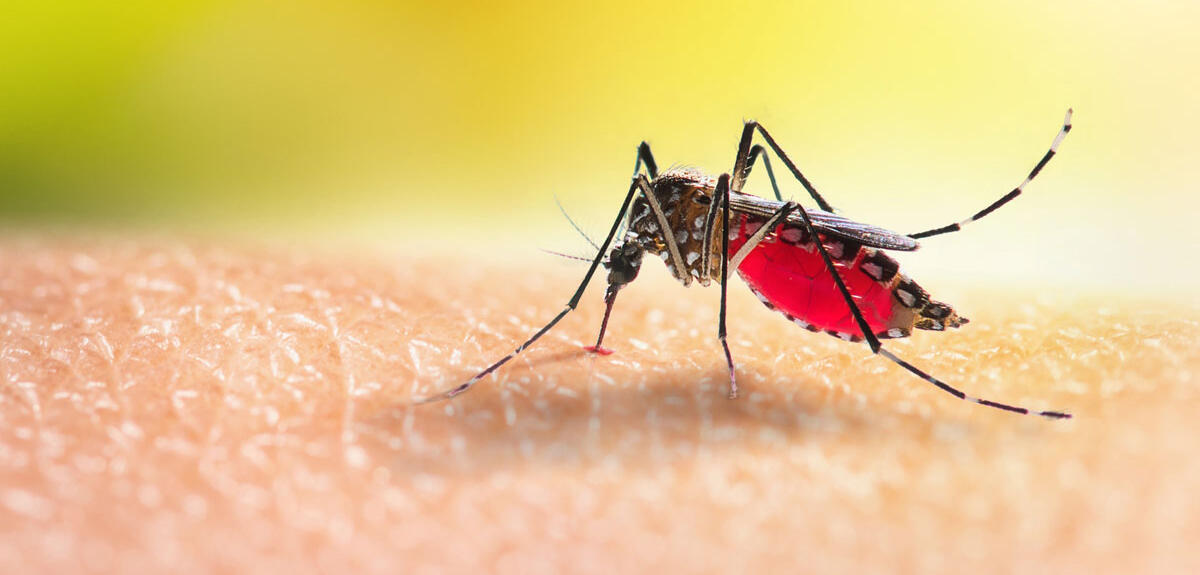
Hyderabad, the “City of Pearls,” is increasingly becoming the “City of Swarms.” As of early 2026, the mosquito menace has reached a tipping point, moving beyond a mere seasonal nuisance to a year-round public health crisis. While the Greater Hyderabad Municipal Corporation (GHMC) claims to spend crores annually on vector control, the reality on the ground—and a brewing fogging scandal—paints a far grimmer picture.
The Root of the Swarm: Why it’s Getting Worse
The explosion in the mosquito population is not an accident of nature; it is the result of rapid, often unchecked, urban degradation.
* Choked Water Bodies: Lakes like Kamuni Cheruvu, Fox Sagar, and Ibrahimbagh have become stagnant “mosquito factories.” Over 50% of these lakes are covered in water hyacinth, which prevents water flow and creates the perfect environment for larvae to thrive.
* Infrastructure Gaps: Many suburban areas lack proper drainage systems. Stagnant gutter water in open nalas (drains) and uncleared garbage piles provide endless breeding grounds.
* Urban Construction: The city’s real estate boom has left thousands of construction sites with stagnant water in cellars and pits, which are often overlooked by municipal inspectors.
* Climate Shifts: Unusual weather patterns, including unseasonal rains followed by high humidity, have extended the breeding season, making “mosquito season” a 365-day affair.
A Systemic Failure: The Government’s Oversight
Despite a dedicated entomology department and an annual budget estimated between ₹25 crore to ₹30 crore, the GHMC’s efforts have been widely criticized as “ineffective” and “superficial.”
* Maintenance Lapses: In late 2025 and early 2026, many lake maintenance contracts expired and were not renewed on time. This led to a total halt in removing water hyacinth, causing a massive surge in mosquito density in areas like Moosapet and Kukatpally.
* The “Invisible” Anti-Larval Operations (ALO): While GHMC reports millions of house visits, residents claim these are often just “paper entries.”
* Hospitals Under Pressure: In late 2025, hospitals like Niloufer and Gandhi were reportedly overwhelmed, with nearly 70% of beds occupied by fever patients. Daily dengue reports in the city have peaked at alarming rates.
The Recent “Fogging Scam”
Adding insult to injury is the recent exposure of a massive financial irregularity within the GHMC’s fogging operations in February 2026. Investigations and local reports have highlighted several disturbing trends:
* Diesel Diversion: Large quantities of diesel allocated for thermal fogging machines were allegedly diverted and sold on the black market.
* “Ghost” Fogging: Supervisors were caught taking fake signatures from residents to prove fogging was done, when in reality, the machines never entered the colonies.
* The “Fogging Fee” Extortion: In a shocking twist, it was revealed that some ground-level staff were demanding “donations” of ₹500 to ₹1,000 from apartment associations to perform the very services they are paid by the government to do.
* Ineffective Chemicals: There are allegations that the chemicals used in some zones were heavily diluted, rendering the “smoke” useless against adult mosquitoes.
Prevention: What Can Be Done?
While the government must be held accountable, community-level prevention remains the first line of defense.
* The “Dry Day” Protocol: Spend 10 minutes every Sunday emptying water from flower pots, birdbaths, and old tires.
* Biological Controls: Introducing Gambusia (mosquitofish) into local ponds and tanks can naturally keep larvae in check.
* Personal Protection: Use repellents containing DEET or Picaridin and install high-quality mesh screens on windows.
* Community Vigilance: Use the MyGHMC app to report stagnant water or request fogging, and insist on seeing the entomology staff’s logbook to ensure work is actually performed.
The Bottom Line
The mosquito menace in Hyderabad is a man-made disaster fueled by administrative apathy and corruption. Until there is transparency in how funds are spent and a consistent effort to rejuvenate the city’s lakes, the citizens of Hyderabad will continue to pay the price with their health.

