

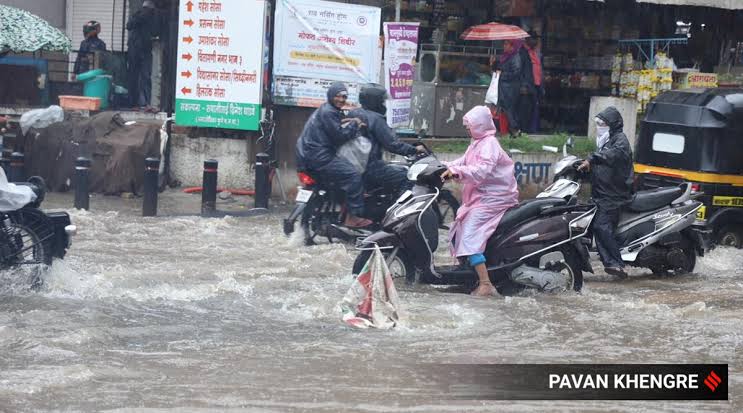
Every year, as the monsoon clouds gather and the first drops of rain hit the parched earth, Hyderabad braces for more than just a change in weather. The city, a bustling hub of technology and culture, finds itself in a predictable state of chaos—a monsoon-induced gridlock that brings daily life to a grinding halt.
From the IT corridors of Gachibowli and Madhapur to the older parts of the city, commuters across Hyderabad face a familiar struggle: navigating flooded roads, snarled traffic, and endless delays.
The Perfect Storm: Why Hyderabad Grinds to a Halt
The traffic chaos in Hyderabad during the rainy season is not a singular issue but a confluence of factors that create a “perfect storm.”
- Inadequate Drainage and Waterlogging: The most significant cause of the city’s monsoon misery is a severely under-equipped drainage system. Many roads and underpasses are prone to waterlogging, even after a moderate shower. This is exacerbated by poor city planning, where encroachments on lakes and drainage channels have constricted the flow of rainwater. Areas like the Alugadda Bavi underpass, Chandrayangutta, and the IT corridor are notorious for turning into mini-rivers, making them impassable for hours.
- Poor Road Infrastructure: Decades of rapid, often unplanned, urban expansion have left Hyderabad with a road network that struggles to cope with the city’s burgeoning vehicle population. Potholes and damaged roads, a common sight even in dry weather, become hidden hazards when submerged. This forces drivers to slow down and navigate with extreme caution, further contributing to the traffic pile-up.
- Behavioral Changes and Increased Vehicle Density: The rain also triggers a change in commuter behavior that amplifies the problem. Many two-wheeler riders, seeking shelter from the downpour, either park their bikes under flyovers or switch to cars. This sudden surge in four-wheelers, coupled with the reduced road space due to waterlogging, creates a domino effect that chokes major arteries. Slower speeds, reduced visibility, and a general sense of caution among drivers also contribute to the crawl.
- The IT Corridor’s Unique Woes: The city’s tech hubs are particularly vulnerable. The sheer volume of traffic in areas like Gachibowli, Madhapur, and Hitec City means that even a light drizzle can cause significant disruption. The confluence of flyovers, underpasses, and arterial roads in these areas creates bottlenecks that are easily overwhelmed by water and an increased number of vehicles.
The Impact: Beyond a Few Hours of Delay
The repercussions of this annual traffic chaos extend far beyond a few hours of inconvenience. The delays translate into lost productivity for businesses, missed appointments for individuals, and immense stress for daily commuters. Emergency services can be hampered, and the risk of accidents increases on slippery, waterlogged roads.
Civic bodies like the Hyderabad Disaster Management and Asset Protection Agency (HYDRAA) and the Greater Hyderabad Municipal Corporation (GHMC) are often on the front lines, deploying emergency teams with dewatering pumps and coordinating with traffic police to manage the situation. However, their efforts, while commendable, are often a temporary fix for a much deeper systemic issue.
Navigating a Way Forward
While individual commuters can take steps like using public transport (the Hyderabad Metro is a reliable, rain-proof option), checking weather forecasts, and driving with extra caution, the long-term solution lies in a concerted effort from the authorities.
- Overhauling the Drainage System: A comprehensive and long-term solution requires a significant investment in upgrading and expanding the city’s drainage network. This includes desilting nalas, clearing encroachments, and building more effective storm-water drains.
- Smart Infrastructure and Planning: The city needs to adopt a more sustainable and resilient approach to urban planning. This involves not only building new roads and flyovers but also ensuring that the infrastructure is designed to handle monsoon challenges.
- Public Awareness and Traffic Management: Stricter enforcement of lane discipline, along with public awareness campaigns on safe monsoon driving, can help mitigate some of the traffic snarls. The seamless collaboration between traffic police, GHMC, and other agencies is also crucial for swift and effective response during heavy rains.
Until these fundamental issues are addressed, the sight of waterlogged roads and bumper-to-bumper traffic will continue to be an unwelcome but familiar aspect of Hyderabad’s rainy season.
The city’s progress, both on the road and beyond, depends on its ability to find a lasting solution to this annual ordeal.

