

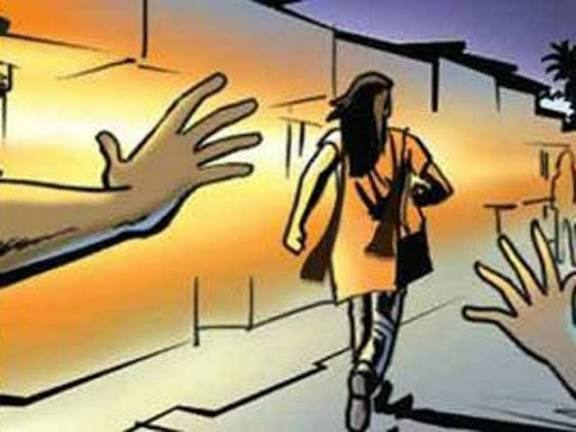
The term “eve teasing,” a phrase common in India and other parts of South Asia, is a deceptive euphemism for a grave and pervasive social problem: public sexual harassment of women.
This menace, which includes everything from lewd comments and leering to more aggressive physical acts like groping and stalking, is a daily reality for millions of women and girls.
It is not a harmless act of “teasing,” but a serious crime that infringes upon a woman’s fundamental rights to safety, dignity, and freedom of movement.
The Multifaceted Impact on Women
The effects of eve teasing are profound and far-reaching, extending beyond the immediate moment of harassment.
* Psychological Toll: Victims often experience a range of emotions including fear, shame, embarrassment, and anxiety. The constant state of hypervigilance required to navigate public spaces can lead to long-term psychological distress, affecting mental health and well-being.
* Restriction of Freedom: The fear of harassment forces women to self-impose restrictions on their lives. They may avoid certain routes, times of the day, or even public transport, limiting their access to education, work, and social activities. This directly impacts their socio-economic opportunities and independence.
* Normalization and Victim-Blaming: A deeply troubling aspect of this issue is its normalization in society. Often, the victim is blamed for the harassment, with questions raised about her attire, her presence in a particular location, or her behavior. This victim-blaming culture discourages reporting and allows perpetrators to act with impunity.
The Social and Cultural Roots
The roots of this menace are deeply embedded in India’s patriarchal society.
* Patriarchal Mindset: A male-dominated social structure fosters a sense of entitlement among men, where they view women as objects and believe they have the right to assert their dominance in public spaces.
* Influence of Media: While this has been changing, some depictions in Indian cinema and popular culture have, in the past, glorified acts of “eve teasing” as a romantic pursuit, blurring the lines between harassment and courtship and sending a dangerous message to society.
* Lack of Accountability: A widespread lack of accountability for offenders, coupled with low conviction rates, reinforces the belief that such acts have no serious consequences.
* Gender-Biased Socialization: The way boys and girls are raised often perpetuates this problem. Boys are frequently given more freedom and a sense of authority, while girls are taught to be submissive and cautious, further entrenching the power imbalance.
Legal Provisions and the Roadblocks to Justice
While there is no specific law titled “Eve Teasing,” various sections of the Indian Penal Code (IPC) address the acts that constitute it:
* Section 294: Deals with obscene acts or songs in a public place.
* Section 354 and 354A: Cover assault or criminal force with the intent to outrage a woman’s modesty and explicitly define sexual harassment as a punishable offense.
* Section 509: Punishes words, gestures, or acts intended to insult the modesty of a woman.
* Section 354D: Specifically criminalizes stalking.
Despite these legal provisions, the implementation of these laws is often weak. Many victims are hesitant to report for fear of social stigma, a long and cumbersome legal process, and a lack of faith in the system. The police, at times, also trivialize the complaints or suggest a compromise, rather than registering a formal case and initiating a proper investigation.
A Way Forward: Collective Action for Change
Eradicating this menace requires a comprehensive and multi-pronged strategy.
* Gender Sensitization and Education: It is critical to initiate gender sensitization programs in schools, colleges, and at the community level. Education on consent, respect for women, and gender equality from a young age is paramount to changing mindsets.
* Strengthening Law Enforcement: Law enforcement agencies must be better trained to handle cases of sexual harassment with sensitivity and efficiency. Creating a more victim-friendly reporting system and ensuring swift justice for perpetrators will encourage more women to come forward.
* Community and Family Involvement: Society must stop normalizing and trivializing “eve teasing.” Families and communities must actively support victims and hold perpetrators accountable.
* Public Awareness Campaigns: The media and civil society organizations have a crucial role to play in raising awareness about the severity of this issue and challenging the social norms that allow it to persist.
“Eve teasing” is not a minor inconvenience; it is a serious threat to the safety and freedom of women in India. Addressing this menace is not just about enforcing laws; it is about fundamentally changing a patriarchal mindset and building a society where every woman can walk freely and with dignity, without fear.

