

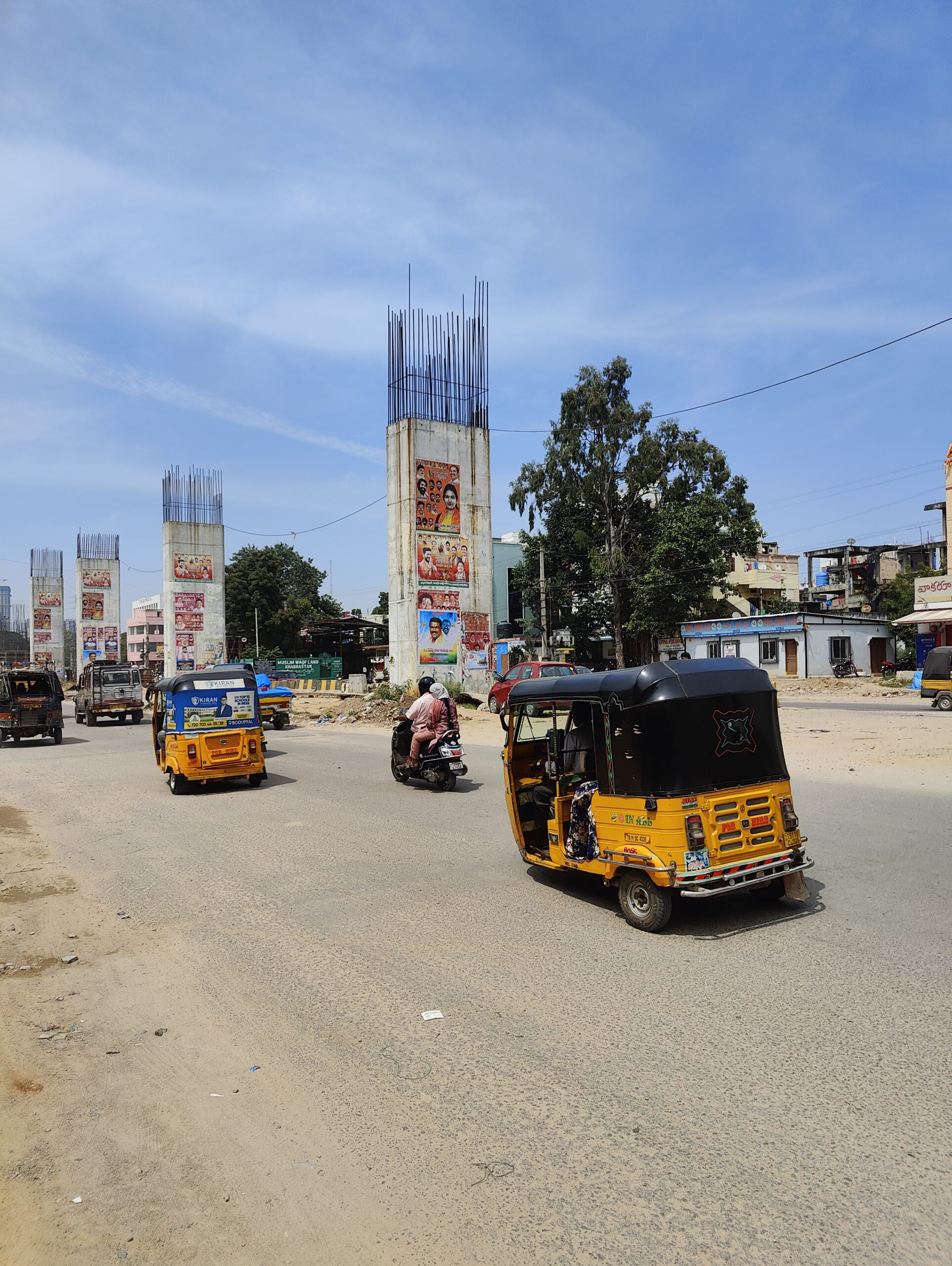
The National Highway 163 (Warangal Highway), connecting Hyderabad’s Uppal to the historical city of Warangal, is rapidly evolving from a major transit route into a dynamic new economic zone. Fueled by strategic government policies, crucial infrastructure projects, and a surge in real estate development, this corridor is set to become the eastern counterpart to Hyderabad’s saturated western IT and business hubs.
Vision 2030: The ‘Look East’ Policy and Economic Dispersion
The transformation is largely driven by the state government’s Growth in Dispersion (GRID) Policy, often referred to as the ‘Look East’ policy. Recognizing the high saturation and rising costs in areas like Gachibowli and Madhapur, the government is actively incentivizing businesses—especially IT/ITeS companies—to set up operations in East Hyderabad.
Key initiatives include:
* Subsidies and Incentives: Proposals for power and rental subsidies, along with recruitment grants, are designed to lower the operational costs for new firms and startups along the corridor.
* IT Hub Development: Areas like Pocharam are already emerging as significant IT and residential hubs, anchored by established Special Economic Zones (SEZs) housing major companies like Infosys and Genpact. This is creating a gravitational pull for supporting services and smaller tech firms.
Infrastructure: The Catalyst for Economic Velocity
The backbone of this emerging economic zone is its rapidly improving connectivity. The Warangal Highway is witnessing major infrastructural overhauls aimed at decongesting traffic and significantly reducing travel time between the two major cities.
Crucial Projects Underway:
* Uppal-Narapally Elevated Corridor:
* This is the most critical project, a multi-lane elevated corridor designed to ease the infamous congestion at the Uppal junction, which is a major convergence point for traffic from the eastern zones.
* Once completed, it will provide a seamless, high-speed connection between Uppal and Narapally, dramatically improving commuting ease for the new workforce. The corridor is currently being fast-tracked, with a target completion by Dasara 2026.
* Regional Ring Road (RRR):
* The proposed RRR will pass near Bhongir, further leveraging the highway’s strategic position. The RRR will create a massive circular economy zone around Hyderabad, with the Warangal Highway serving as a vital spoke connecting to it, boosting land values and industrial potential in surrounding areas.
* Metro Rail Connectivity:
* The extension of the Hyderabad Metro Rail network towards Uppal and LB Nagar continues to enhance public transportation accessibility, a key factor for sustained commercial and residential growth.
Real Estate and Industrial Boom
The combined effect of policy support and robust infrastructure has made the Warangal Highway corridor a magnet for real estate investment, leading to a visible shift in development focus from West to East Hyderabad.
* Affordability Advantage: Compared to the high-cost western corridor, property prices along the Warangal Highway remain significantly more affordable, attracting a mix of first-time homebuyers, IT professionals, and long-term investors.
* Residential Development: There is a surge in new gated communities, villas, and apartments in localities like Pocharam, Narapally, Ghatkesar, and Bibinagar, catering to the influx of people working in the new SEZs and industrial parks.
* Industrial Corridor Demand: The State government has also pressed for the allocation of a full-fledged Industrial Corridor along the Hyderabad-Warangal Highway, recognizing its potential for manufacturing, logistics, and non-polluting industries, which would further diversify the economic base beyond just IT.
Conclusion: A Corridor of Opportunity
The Uppal-Warangal Highway corridor is no longer just a road; it is an active economic spine driving Telangana’s growth strategy. With the government’s dedicated ‘Look East’ push and accelerated infrastructure completion timelines, the region is poised to become the state’s next major job and residential hub. This shift promises a more balanced, distributed, and resilient economy for the Hyderabad metropolitan area and the wider region, creating significant opportunities for businesses, investors, and residents alike.

