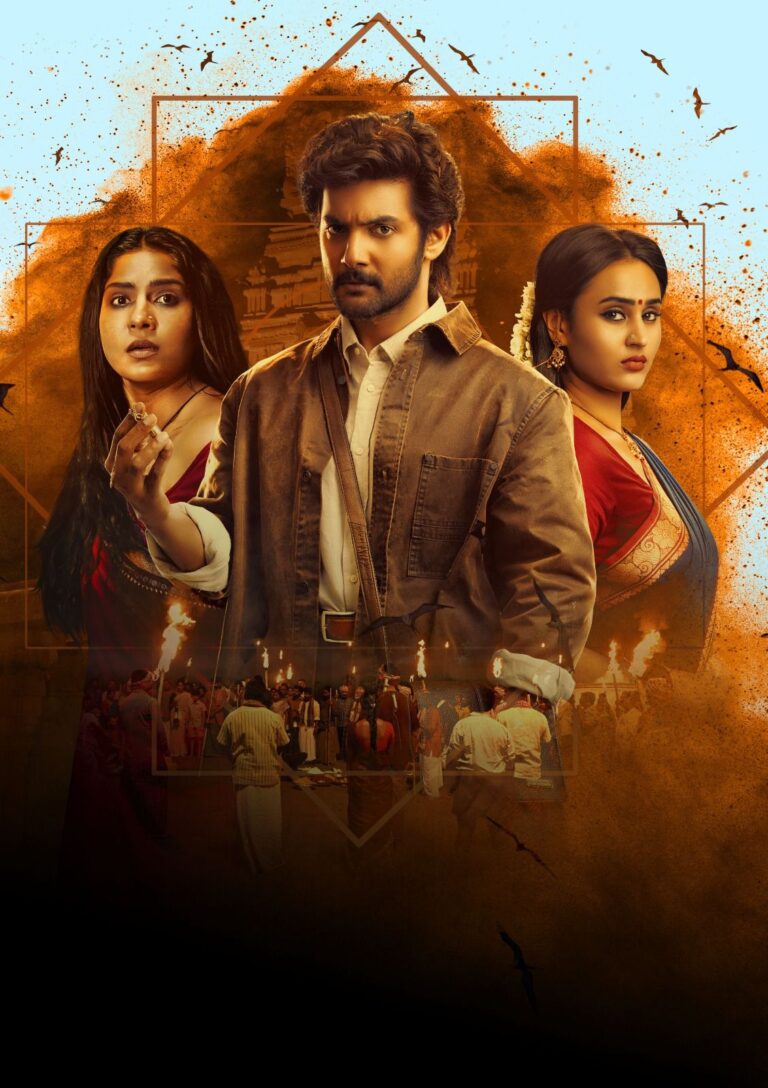
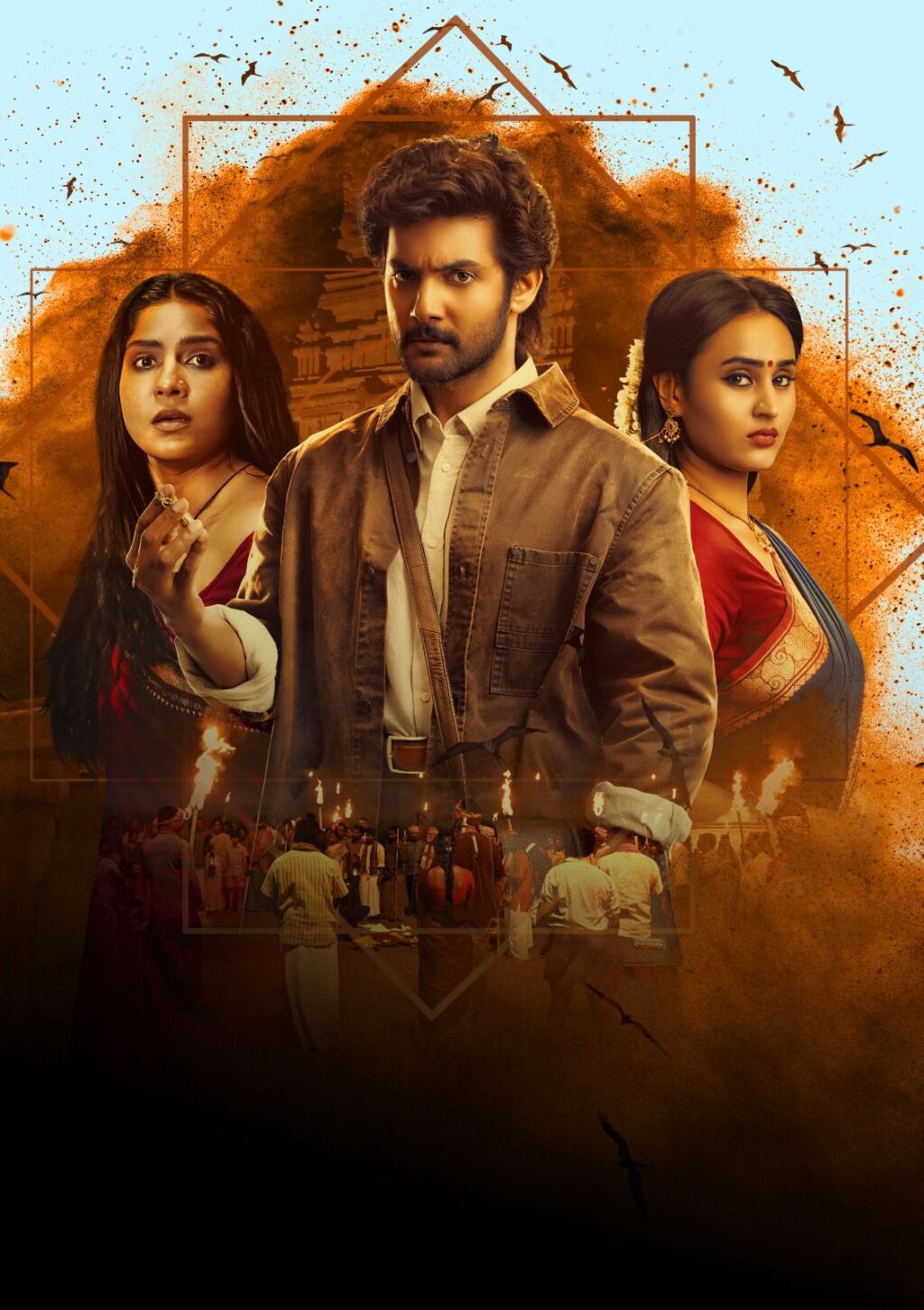
Aadi Sai Kumar ventures into compelling new territory with Shambhala: A Mystical World, a supernatural thriller that has quickly grown into one of the most talked-about upcoming releases. Directed by Ugandhar Muni and produced by Rajasekhar Annabhimoju and Mahidhar Reddy under the Shining Pictures banner, the film has generated strong buzz across both trade circles and audiences.
Riding on this mounting hype, the film has clocked impressive pre-release business. Both theatrical and non-theatrical rights have been closed at lucrative prices, ensuring table profits for the producers even before release. Notably, the theatrical rights have been picked up by prominent distributors, underlining the industry’s confidence in the project.
Usha Pictures acquired the Andhra and Ceded rights, while Mythri Distributors secured the Nizam territory. The overseas rights were bagged by Moonshine Cinemas, and Kumar Bangalore Films picked up the Karnataka rights. With such strong backing, Shambhala is gearing up for a wide and impactful release across India and overseas markets.
Another major strength of the film is its well-planned promotional strategy. From visually arresting concept posters and intriguing glimpses to a gripping teaser and a well-received theatrical trailer, every update has heightened the mystery surrounding the film. Adding to the momentum, the recently released first single Naa Peru Shambhala, sung by Geetha Madhuri, has emerged as an instant chartbuster. The film’s music is composed by Sricharan Pakala.
The film also features a strong ensemble cast including Archana Iyer, Swasika, Ravi Varma, Madhunandan, and Siva Karthik, promising a rich and layered narrative. The film with cinematography handled by Praveen K Bangari is all set to hit theatres on December 25.
▪ Varalaxmi Sarathkumar in a Powerful Role | Naveen Chandra in a Strong Heroic Character
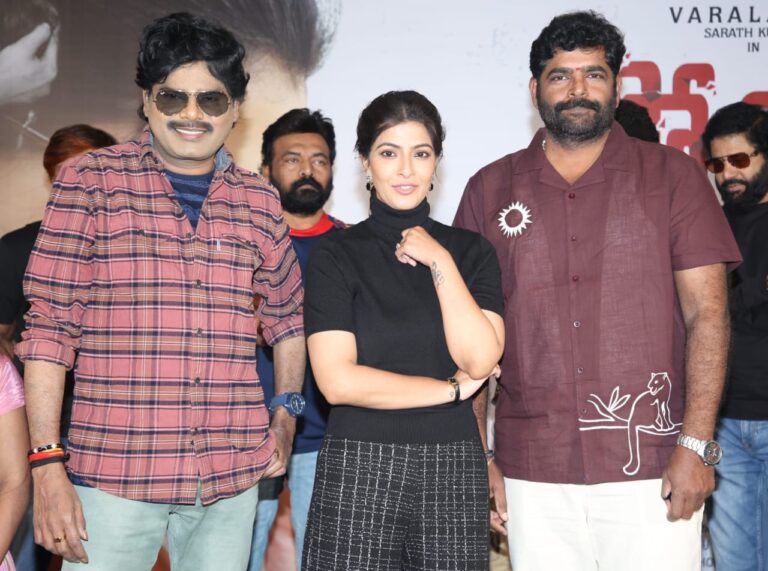
The Telugu and Kannada teaser of the action thriller ‘Police Complaint’ was launched grandly at Prasad Labs, Hyderabad. The film is being produced by Balakrishna Maharana under the MSK Pramidha shree Films banner, with Sanjeev Megoti handling both writing and direction.
Positioned as a horror thriller and out-and-out entertainer, Police Complaint features South Indian hot favourite heroine Varalaxmi Sarathkumar in a powerful and completely entertaining role, while Naveen Chandra plays a strong, impactful character with perfect heroism. The film also boasts an ensemble cast of 52 senior artists, making it a content-rich project.
Speaking on the occasion, director Sanjeev Megoti said,
“This film is a hide-and-seek drama woven between love and revenge, right and wrong, good and evil. We have presented it not just as a horror thriller but as a complete entertainer. Kannada star heroine Ragini Dwivedi appears in a special role that will thrill audiences. With an intense screenplay, Krishna Sai and Baby Tanasvi will be seen in unique characters. Varalaxmi Sarathkumar delivers both fear and entertainment in this film. Completing the shoot in just 45 days was possible mainly because of her commitment. The film is being made in four languages – Telugu, Tamil, Malayalam and Kannada.”
Varalaxmi Sarathkumar, speaking about the film, said,
“I agreed to do this film because I really liked the subject narrated by the director. Along with action, I have done full-on comedy in this movie. The film has come out very well and I’m sure it will be liked by everyone.”
Apart from Varalaxmi Sarathkumar, Naveen Chandra and Ragini Dwivedi, the film also features Aditya Om, Ravi Shankar, Prithvi, Srinivas Reddy, Saptagiri, Sarath Lohithaswa, Gemini Suresh, Dil Ramesh and others in key roles. The makers stated that the cinematography by S.N. Harish and the action sequences choreographed by Dragon Prakash and Ravi Teja will be major highlights. They also emphasized that the roles played by Varalaxmi Sarathkumar, Naveen Chandra and Ragini Dwivedi will be completely different from their previous films.
Guests including Producer Council Secretary Prasanna Kumar, hero Krishna Sai, senior journalist Krishnamurthy, Adivi Sai Kiran, Ravula Venkateswara Rao and others attended the event and conveyed their best wishes to the film unit.
Many guests and members of the film unit praised director Sanjeev Megoti, saying,
“Sanjeev Megoti is a passionate filmmaker with a strong ability to present stories effectively. He brings a unique intensity to the story and screenplay, balancing commercial elements with solid content, and clearly showcases his distinct directorial stamp in every film.”
Film Details
Producer: Balakrishna Maharana Writer & Director: Sanjeev Megoti Executive Producer: Satish Babu Music: Arohana Sudhindra – Sanjeev Megoti – Sudhakar Mario Cinematography (DOP): S.N. Harish Editor: Anugoju Renuka Babu Action: Dragon Prakash – Ravi Teja Choreography: Sun Rase, Raj Paidi, Baba Art Director: K.V. Ramana Production Designer: Kondapaneni Muralidhar PRO: Ashok Dayyala
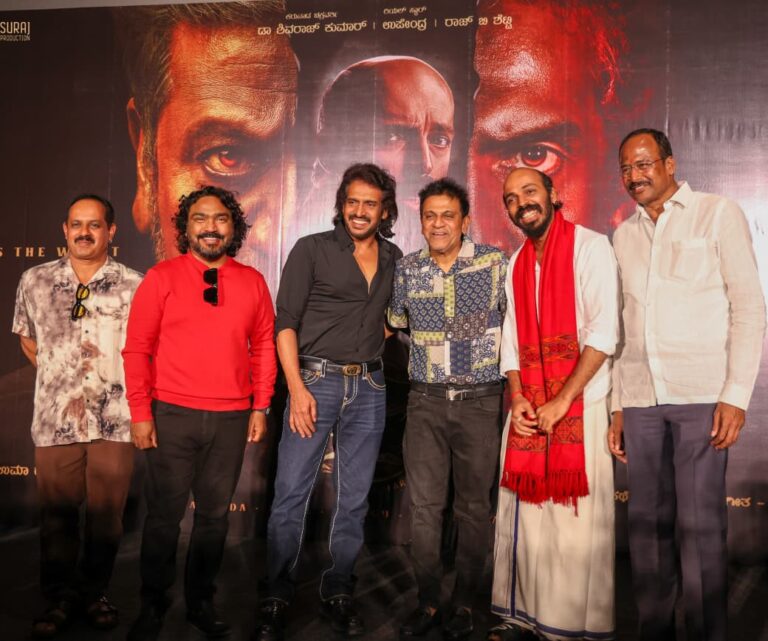
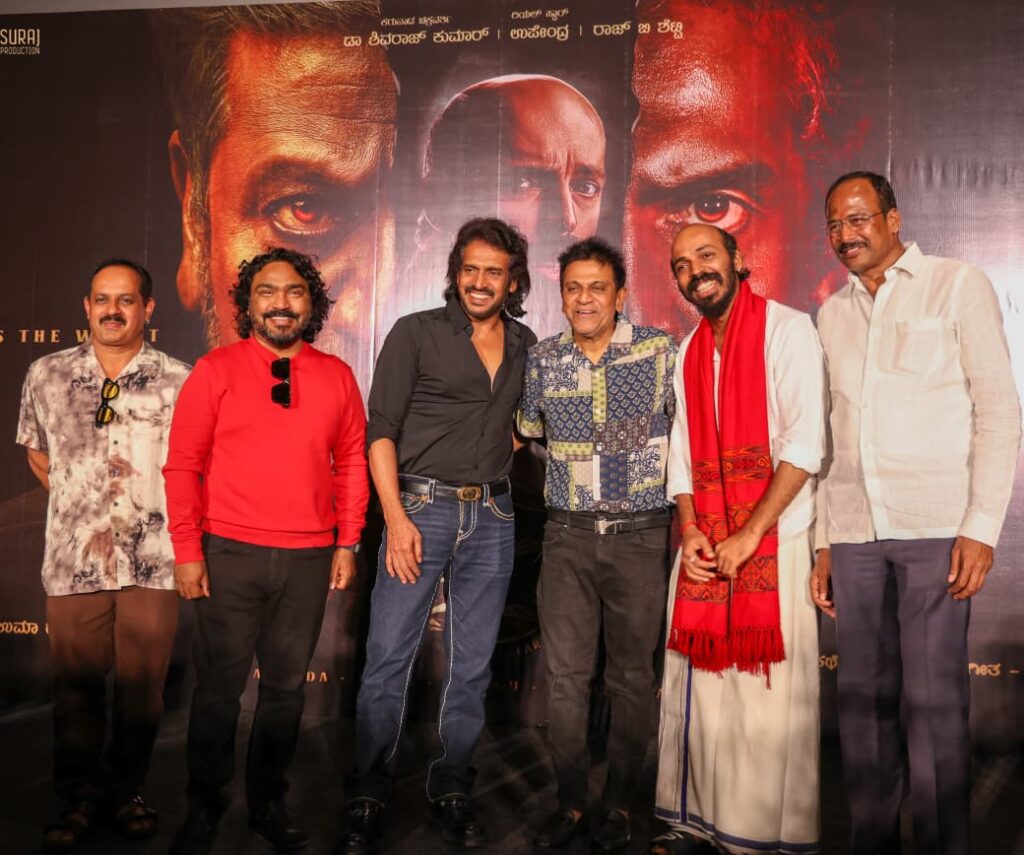
Popular music director Arjun Janya takes the director’s chair for the first time for the much-awaited flick 45: The Movie, a project that promises scale, substance, and star power in equal measure. The film unites three formidable forces of Kannada cinema- Karunada Chakravarthy Shiva Rajkumar, Real Star Upendra, and the versatile Raj B Shetty, setting the stage for a cinematic collision unlike any other. Produced by Mrs. Uma Ramesh Reddy and M Ramesh Reddy under the Suraj Productions banner, 45 has been crafted with a clear ambition to stand apart. From its striking promotional material to the intriguing snippets unveiled so far, the film has steadily built an air of mystery that has kept audiences talking. With anticipation peaking, the makers of the movie unveiled its theatrical trailer.
The opening frames introduce a powerful visual idea- a date of birth, a date of death, and the fleeting stretch between them. This stark imagery becomes the film’s thematic backbone, suggesting that existence is not just about living, but about being accountable for every choice made within that narrow window of time. The trailer hints at a belief system where moral reckoning does not stop with death, giving the film an almost metaphysical undertone.
Bringing together Shiva Rajkumar, Upendra, and Raj B Shetty, 45 blends contrasting personas into this moral framework. Upendra’s resonant voiceover lends philosophical gravity, framing the narrative as a reflection on cause and consequence. Raj B Shetty appears rooted and vulnerable, representing the ordinary individual caught in forces larger than himself. Shiva Rajkumar’s presence, particularly his unexpected appearance in a red Bharatanatyam costume, introduces a striking sense of duality and transformation.
The cinematography by Satya Hegde stands out. Arjun Janya’s pulsating score amplifies the experience, while the production values are exceptional. The movie features high-intensity action sequences choreographed by leading stunt masters Dr. K. Ravi Verma, Jolly Bastian, and Different Danny Chetan D’Souza. Dialogues are written by Anil Kumar, while editing is handled by K.M. Prakash.
With the trailer setting the bar high the movie is gearing up for a grand release in five languages on January 1st for New Year
Cast: Shiva Rajkumar, Upendra, Raj B. Shetty, and others.
Technical Crew: Production House: Suraj Production Producers: Mrs. Uma Ramesh Reddy, M. Ramesh Reddy Writer, Music Composer & Director: Arjun Janya Director of Photography: Satya Hegde Editor: K.M. Prakash Playback Singers: Roll Rida, Vinayak Lyricist: Roll Rida Stunt Choreography: Dr. K. Ravi Verma, Jolly Bastian, Different Danny Chetan D’Souza Choreographer: Johnny Basha Dialogue Writer: Anil Kumar PRO: Sai Satish
— Telangana Minority Affairs Minister & Renowned Cricketer Mohammed Azharuddin
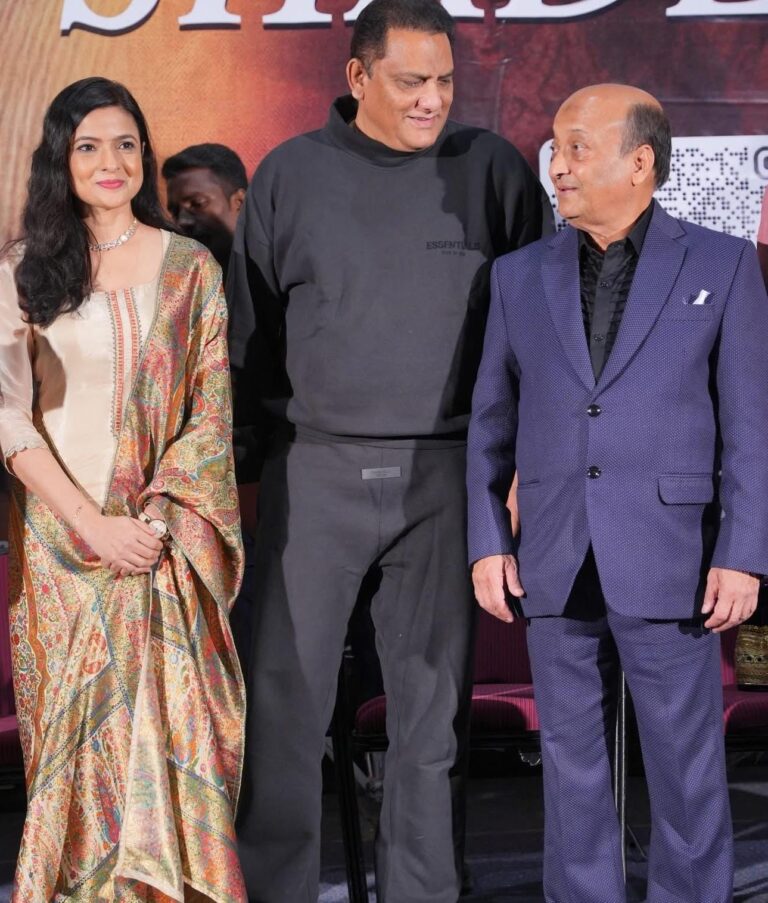
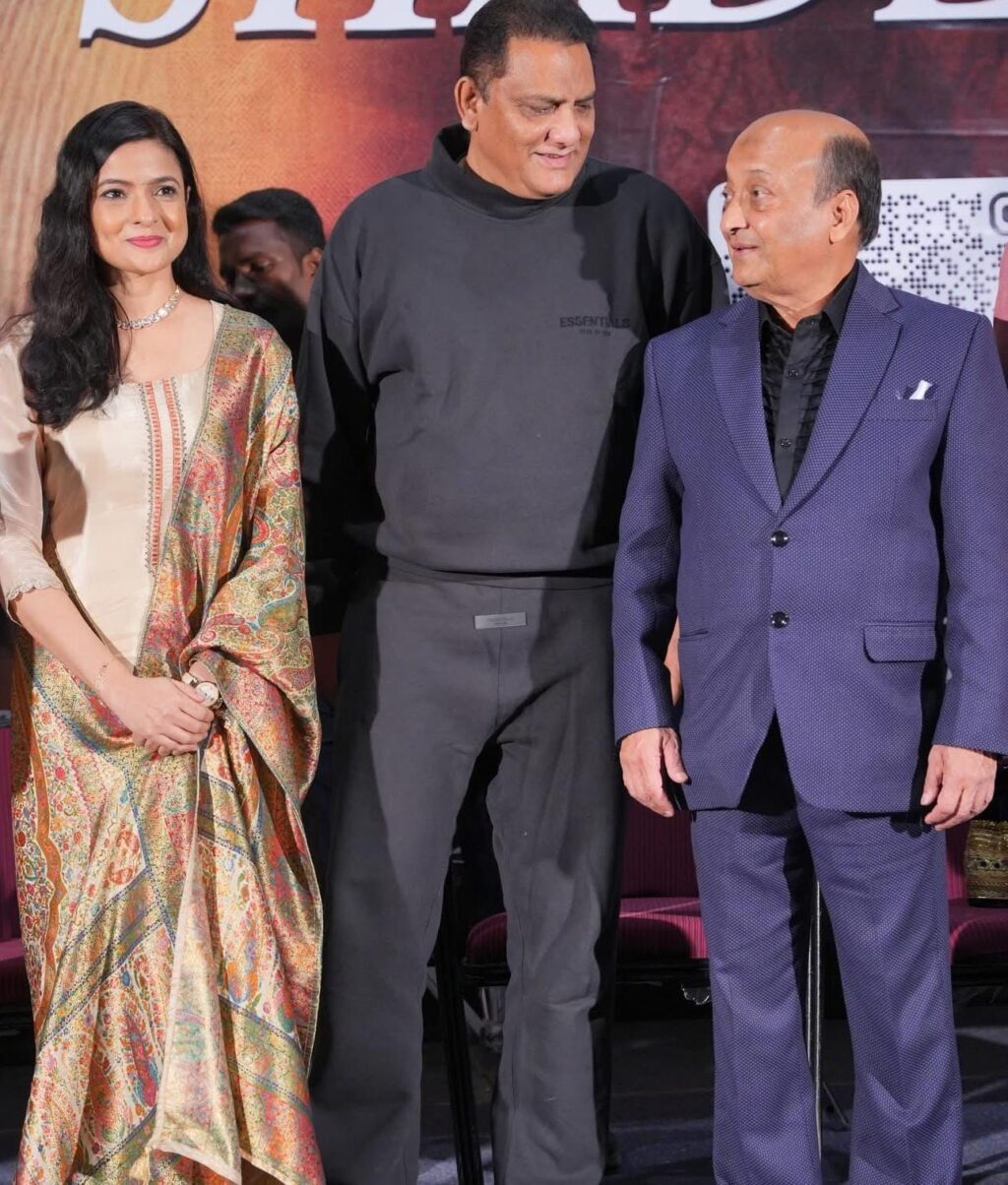
The documentary “Zindagi in Two Shades”, based on the life of Iftekhar Sharif, had its Hyderabad premiere recently and received a very positive response from both audiences and invited guests.
Former Indian cricketer and Telangana Minority Affairs Minister Mohammed Azharuddin, who attended the event, praised the documentary after watching it. He said the real-life story was presented in a very honest and simple manner and appreciated the strong social message conveyed through the film. He expressed his wish to see more such films from Dollye Tomar and stated that she has a bright future as a filmmaker. He also mentioned that a Part 2 of “Zindagi in Two Shades” should definitely be made.
The documentary is produced by Omsheel Productions, Mumbai, headed by Dollye Tomar, with support from DK Omsheel Productions, USA, led by Khurram Syed. The film is directed by Rajneesh Dubey, produced by Kalpana Rajput, and edited by Devu Namdev.
“Zindagi in Two Shades” realistically portrays the truths and struggles of everyday life. The documentary has already started attracting attention at international film festivals as well. The event was coordinated by senior film journalist Dheeraj Appaji.
Overall, with its strong content and meaningful message, “Zindagi in Two Shades” is winning the hearts of audiences and making a lasting impression.
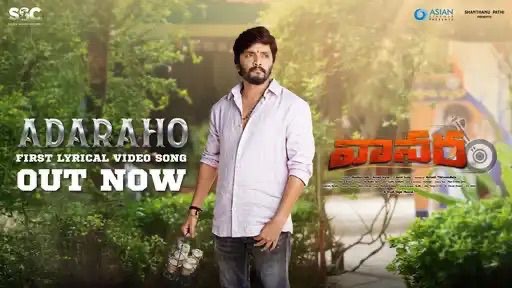
Avinash Thiruveedhula’s Vanara first single Adaraho Lyrical Video out now; Grand theatrical release on December 26th
Vanara marks the debut of Avinash Thiruveedhula as both actor and director. Simran Choudhary plays the female lead, while Nandu will be seen in an antagonist role. The film is presented by Asian Cinemas and produced by Shanthanu Pathi, Avinash Buyani, Alapati Raja, Ankith Reddy under the Silver Screen Cinemas LLP banner. Dialogues are penned by Sai Madhav Burra, and music is composed by Vivek Sagar, which is expected to be a major highlight of the film.
Made as a mythological rural drama, Vanara is gearing up for a worldwide grand theatrical release on December 26th. Today, the makers released the first single titled “Adaraho.”. Music director Vivek Sagar has composed the song with an energetic beat, while Bharadwaj Gali has written the lyrics along with Vivek Sagar. Vivek also lent his Electrifying voice for the track.
The song follows a rap-style presentation with catchy lines, making it highly engaging. The song speaks about the energy and attitude of our protagonist.
Cast: Avinash Thiruveedhula, Simran Choudjary, Nandu, Khadgam Prudvi, Kona Venkat, Satya, Amani, Sivaji Raja, Chammak Chandra, Racha Ravi etc
Technical Team: Production Designer: Narni Srinivas Editor: Chota K. Prasad Director of Photography: Sujatha Siddharth Music Director: Vivek Sagar Dialogues: Sai Madhav Burra Story and Screenplay: Vishwajith Presenter: Shanthanu Patthi PRO: GSK Media (Suresh – Sreenivas) Banner: Silver Screen Cinemas LLP Producers: Shanthanu Pathi, Avinash Buyani, Alapati Raja, Ankith Reddy Director: Avinash Thiruveedhula
After backing distinctive films such as Colour Photo and the blockbuster Bedurulanka 2012, Loukya Entertainments head Ravindra Banerjee Muppaneni returns with his latest production Dhandoraa. Directed by MuraliKanth, the film features Shivaji in a central role, alongside Navdeep, Nandu, Ravi Krishna, Manika Chikkala, Mounika Reddy, Bindu Madhavi, Radhya, and Aditi Bhavaraju, among others.
Slated for a grand theatrical release on December 25, Dhandoraa is a rooted rural drama set in a Telangana village, exploring the social, emotional, and political tensions that surface around a death, not after but before cremation. Drawing from lived experiences, real incidents, and strong literary influences, the film reflects on caste, dignity, and power structures that continue to exist even in death. As part of the film’s promotions, director Murali Kanth interacted with the media and spoke at length about the journey, intent, and ideas that shaped Dhandoraa.
Q. What is the motivation behind this idea? What motivated you to tell this story?
A. I am from Medak, and cinema has always been something I wanted to pursue seriously. I was working with TCS in the US, but that life never truly excited me. Professionally it was stable, but personally it felt empty. Even while I was there, cinema kept pulling at me constantly. It was always at the back of my mind, nudging me.
That’s when I decided to take things seriously. I attended several filmmaking workshops, spent time understanding the craft, and once I gained confidence, I took the risk. I resigned from my job and came back to India. After returning, I began developing this story properly. I already had a core idea in mind.
I find love stories particularly difficult to narrate. Capturing those emotions honestly on screen is not easy for me. Instead of choosing something high-octane or purely thrilling, I decided to go with rooted, lived-in concepts. The literature I read had a huge influence on me. Writers like Kesava Reddy garu, Yandamoori Veerendranath, and K. Bala Gopal introduced me to worlds I would never have known if not through their writing. That exposure made me think why not return to my Telangana roots and tell a story about a world that many people don’t even realise exists. That thought became the high point for me. From there, I decided to focus on the cremation process in rural areas, and the drama, politics, and conflicts that surround it.
Q. Since you are from the US, what research did you do about this rooted culture apart from reading books?
A. The incidents shown in this film are not historical or imaginary. They are things that still happen in villages today. I have personally encountered them.
In our village, we have a cricket ground where we also used to dry paddy. One day, while we were working there, a man came and asked us to clear the place because a burial had to take place there. I was completely taken aback. I didn’t understand why a burial had to happen in that particular spot.
After discussing it further, I realised that even cremation grounds are segregated based on community and caste. That revelation shocked me deeply. I asked him what he would do if this land wasn’t available. His response was disturbing. He said he didn’t know and didn’t really care.
Films like Thithi and Ee.Ma.Yau also deal with death as a central point and yet create brilliant cinema. That inspired me further and strengthened my decision to make a film in this space.
Q. When you say cremation, people are reminded of Balagam. How different is your film from it?
A. Balagam deals with what happens after cremation, focusing on the rituals that follow. My story takes place before cremation.
In Dhandoraa, a person dies and needs to be cremated. What are the problems that surface during that process? Why do these problems exist in the first place? How are they confronted, and do they get resolved at all? That journey forms the core of this film.
Q. If that’s the case, who is the main character here? Shivaji or someone else?
A. The story largely revolves around Shivaji’s character, but the other characters, played by Nandu, Ravi Krishna, Manika, and others, are all directly or indirectly linked to him. Every character contributes to the narrative in a meaningful way.
Q. Like Om Shanti or Vedam?
A. No. Because there are several prominent actors, one might initially assume that this is an anthology, but it is not. Dhandoraa is a straightforward, single narrative that unfolds within a village. The credit here really goes to the actors. Once they heard the story and understood their characters, they were genuinely interested in being part of the film.
Q. Can you speak about Bindu Madhavi’s character?
A. She has a very strong and impactful character. Audiences will be genuinely surprised when they see her performance in the theatre. All my life, I have been surrounded by strong women, my mother, my sister, and many women I’ve met across different phases of life. Over time, I’ve felt that such perspectives are becoming less visible in our cinema. In my own house, it’s always the women who take the major decisions. So I was genuinely surprised when I realised that in many households, people believe men are the sole decision-makers. That observation influenced my writing deeply. By default, I tend to write strong, women-centric characters. In Dhandoraa, all the women play decisive roles. I don’t want to reveal too much right now, but although Shivaji is the central character, many of the pivotal decisions and twists in the story are driven by women.
Q. Do you think caste issues still exist in villages?
A. Two hundred percent. They absolutely still exist.
Q. Then what about the solution?
A. I am not making this film to present a clear-cut solution. Around 2019–2020, the government introduced schemes like Vaikunta Dhamam, but even today, discrimination continues, even in death. People say things like, “Why should someone be buried there? That land is already defiled by a lower-caste body.” Caste is so deeply rooted that it doesn’t even end with death. There are strict laws in place for Vaikunta Dhamams, yet people refuse to use them. Laws and morals alone are not enough. People themselves have to participate and change. My film reflects what is happening in reality. It is not about fixing the problem outright. As for the solution, we believe we have addressed it in the right way within the film, but the audience must engage with it and decide.
Q. How hard was it to convince the producer?
A. I completed the story in a couple of months and prepared a pitch deck. Like most newcomers, I approached several big producers first, but I couldn’t understand why there was no response. Later, I realised that producers choose stories based on their own mindset and taste. After watching Colour Photo, I was deeply impressed by the producer’s sensibility, so I approached Ravindra garu. When I narrated the story to him, he connected with it immediately.
I initially suggested making the film on a modest budget, but he was firm that it should be made with proper scale and quality. He stood by that decision throughout. We had many creative discussions, and he was involved at every stage. After watching the final film, he felt genuinely happy, and that gave me immense confidence as a filmmaker.
Q. What was your experience directing this film?
A. I have never worked as an assistant director under anyone. On my first day on set, seeing nearly a hundred or two hundred people around me was intimidating. The first couple of days were quite difficult.
But once I settled in, things changed quickly. When the team saw the output I delivered within the first two or three days, their confidence in me grew. We completed 18 days of shooting in the very first schedule, which gave everyone clarity about the film’s direction.
Q. How did the title Dhandoraa come about?
A. This has been a three-year journey for me. Initially, the working title was Anthima Yatra, but many felt it sounded dull and didn’t reflect the film’s energy.
The producer strongly believed that if the story was powerful, the title should be equally powerful. Around that time, a friend suggested Dhandoraa. The moment we heard it, it immediately felt right.
Q. What should audiences expect when they come to watch Dhandoraa?
A. The moment people hear the title Dhandoraa, many assumptions form in their minds. They begin guessing the theme, the politics, and the message.
But once they watch the film, they will be genuinely surprised. I am a big admirer of Mark K. Robin’s music and background score, and the RR in this film will deeply move audiences. The screenplay is strong, emotionally engaging, and layered.
Dhandoraa is a film that will stay with viewers. They will walk out of the theatre carrying a beautiful, lingering emotional experience.
*Breaking records with over 29.6 million views in just 24 hours!
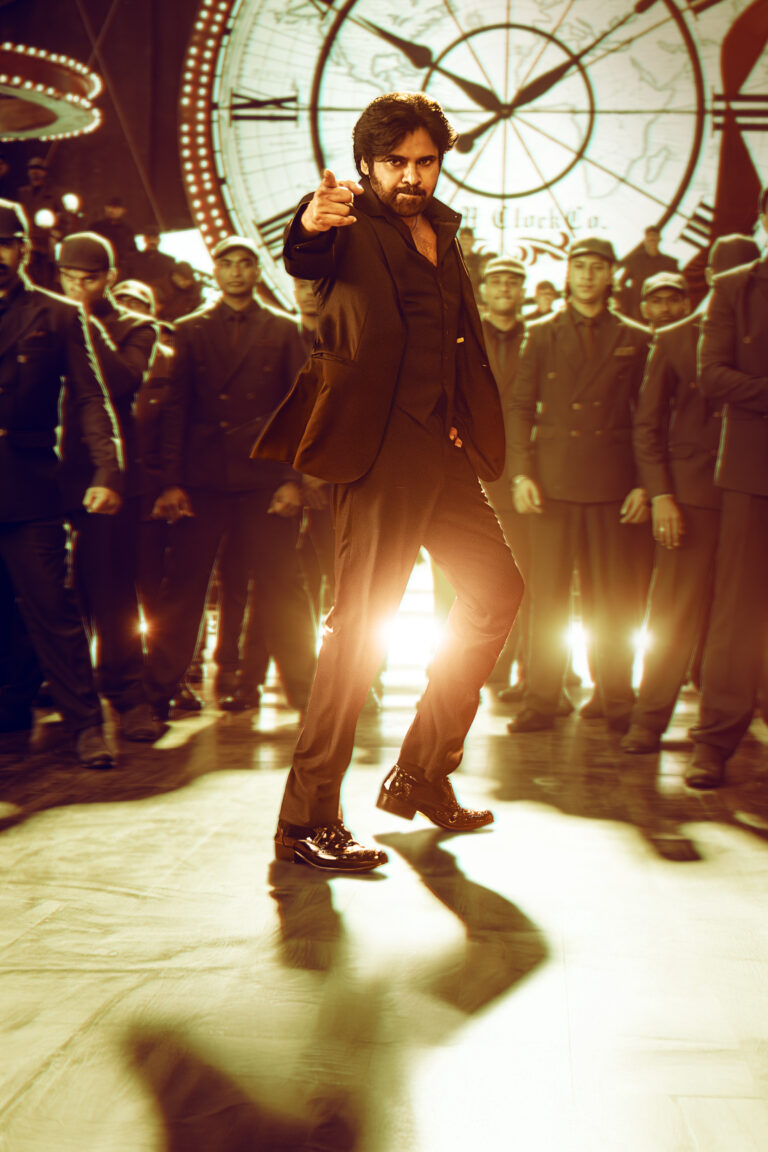
The Dekhlenge Saala song from Ustaad Bhagat Singh has created history, breaking records with over 29.6 million views in just 24 hours! The song has become an instant hit, going viral on social media and captivating audiences worldwide.
DSP’s catchy composition and the team’s hard work have paid off, earning widespread acclaim. Dinesh Master’s choreography, tailored perfectly for Pawan Kalyan, has received huge applause. Bhaskarabhatla’s motivational and commercial blend of lyrics has proved to be a massive success.
The efforts of Cult Captain Harish Shankar have resulted in a visual treat for fans, convincing Pawan Kalyan to dance and delivering a massive feast. The song’s success is also attributed to the tireless efforts of Art Director Anand Sai, Costume Designer Neeta Lulla, and Cinematographer Ravi Varman, who have collectively created a vibrant and visually stunning experience.
The team behind Dekhlenge Saala has truly delivered an unforgettable experience, and we congratulate them on this phenomenal success!
Sung by Vishal Dadlani, Haripriya Lyrics Baskarabatla Music by Rockstar Devi Sri Prasad Choreography by Dinesh Master
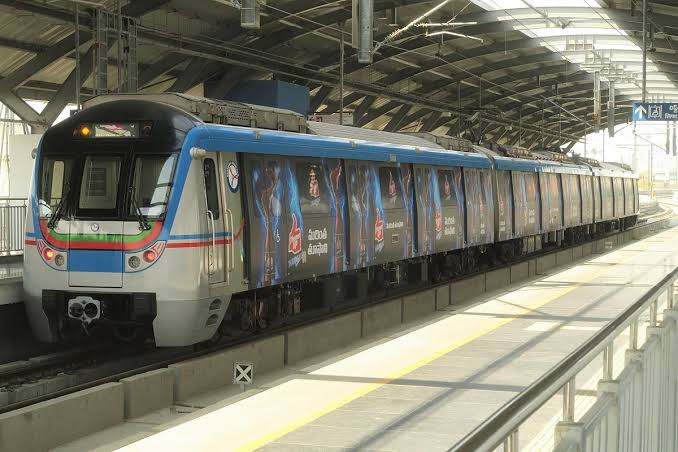
Public transportation in Indian cities is at a critical juncture. Despite massive investments in high-capacity systems like the Hyderabad Metro Rail, the dominance of private vehicles continues to choke urban centres.
The fix is not just about building more lines, it’s about creating a seamless, affordable, and dignified travel experience that makes public transport the preferred mode for the average commuter. 1. The Core Crisis: The Vicious Cycle of Decline The failure of public transport systems in many Indian cities stems from a vicious cycle of decline: * Low Investment/Poor Maintenance: Outdated fleets (over 30% of State Transport Undertaking buses are overaged), lack of maintenance, and insufficient routes lead to poor service quality. * Unreliability and Overcrowding: Irregular schedules, slow speeds due to mixed traffic, and severe overcrowding create a poor user experience. * Shifting to Private Vehicles: Commuters, especially those who can afford it, switch to cars and two-wheelers for certainty and comfort. * Declining Ridership & Revenue: Lower ridership further shrinks the operating budget, making it harder to invest in upgrades, thus restarting the cycle.
2. Strategic Fix 1: Seamless, Integrated Mobility The first priority is breaking down the barriers between different modes of transport (bus, metro, suburban rail, and last-mile services) to create a unified network. A. Unified Institutional and Ticketing System * Unified Metropolitan Transport Authority (UMTA): Create empowered UMTAs in every major city, including Hyderabad. This single body must govern the planning, financing, and coordination of all public transport (Metro, TSRTC, MMTS, and last-mile). * “One City, One Card”: Implement a unified digital ticketing system for all modes. Commuters should be able to pay for the bus, metro, and even affiliated e-autos/e-bikes using a single smart card or mobile app (like the TSavaari app aims to do). This eliminates friction at transfer points. B. Fixing the “Last-Mile” Barrier The gap between a high-capacity station and the commuter’s final destination (the “last mile”) is where many Indian systems fail. * Formalize and Electrify Feeders: Hyderabad Metro’s partnerships with Rapido, Mana Yatri, and local feeder operators like SVIDA show the way. This must be expanded and formalized with dedicated routes for electric autos, e-rickshaws, and mini-buses, ensuring they are affordable and run on fixed, predictable schedules during peak hours. * Prioritize Non-Motorized Transport (NMT): Build continuous, safe, and universally accessible footpaths and cycling tracks around all transit hubs, encouraging walking and cycling for short distances.
3. Strategic Fix 2: Reimagining the Bus System The bus remains the workhorse of Indian public transport due to its reach and affordability. The focus must be on upgrading quality and speed. A. Dedicated Bus Priority and Technology * Bus Rapid Transit (BRT) and Lanes: Allocate dedicated, segregated road space for high-frequency bus corridors, especially in high-density areas. Giving buses priority bypasses congestion, dramatically increasing speed and reliability, and lowering operating costs. * Intelligent Bus Systems: Implement Real-Time Passenger Information Systems (PIS). Bus stops need digital displays showing estimated arrival times, and passengers should access this data via mobile apps. This improves certainty and trust. B. Fleet Modernization and Electrification * Electric Bus Transition: The Telangana government’s ambitious plan to roll out thousands of electric buses is crucial. E-buses are cleaner, quieter, and offer a smoother ride, improving passenger comfort. * Operations Quality: Address operational challenges like fleet maintenance, battery degradation management, and contractual efficiency (as seen in reports from Bengaluru) to ensure high service availability and reliability.
4. Strategic Fix 3: Integrating Land Use and Transport Ultimately, transportation problems are a symptom of poor urban planning. Fixing it requires integrating the city’s growth pattern with the transport network. * Transit-Oriented Development (TOD): Implement the national TOD policy aggressively. This strategy promotes high-density, mixed-use development (residential, commercial, retail) within a 500-800 meter radius of Metro and suburban stations. * Goal: Shorten trip lengths, increase walkability, and ensure a high captive ridership for the metro, which is essential for its financial viability. * Value Capture Financing: Use the increase in land value created by public infrastructure (like the Metro) to help fund the system’s expansion and maintenance through tools like betterment levies or development charges around the station area.
Conclusion Transforming public transportation in Hyderabad and India requires bold policy, technological commitment, and institutional reforms. By unifying ticketing, aggressively tackling the last-mile challenge, prioritizing buses through dedicated lanes, and fundamentally aligning city growth with mass transit via TOD, Indian cities can shift from being car-centric to mobility-centric, ensuring a cleaner, less congested, and more equitable urban future.