

Rom-Com Mohabbat Launched, MLA Naveen Yadav Unveiled First Look Poster That Grabs Attention
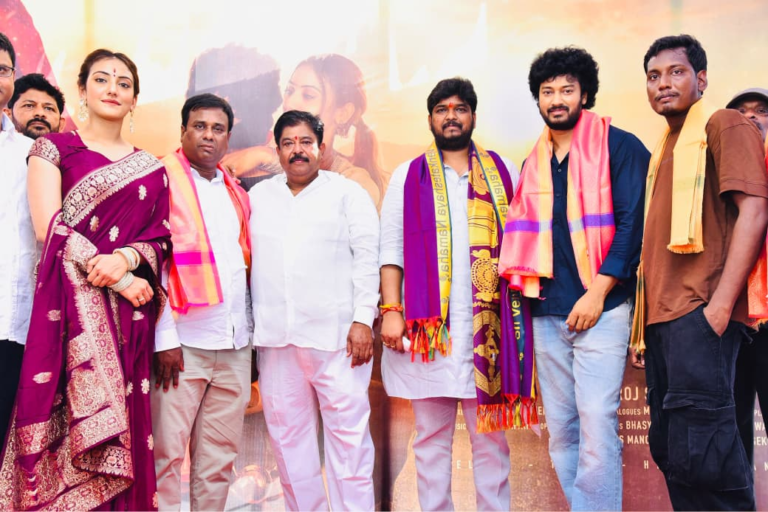
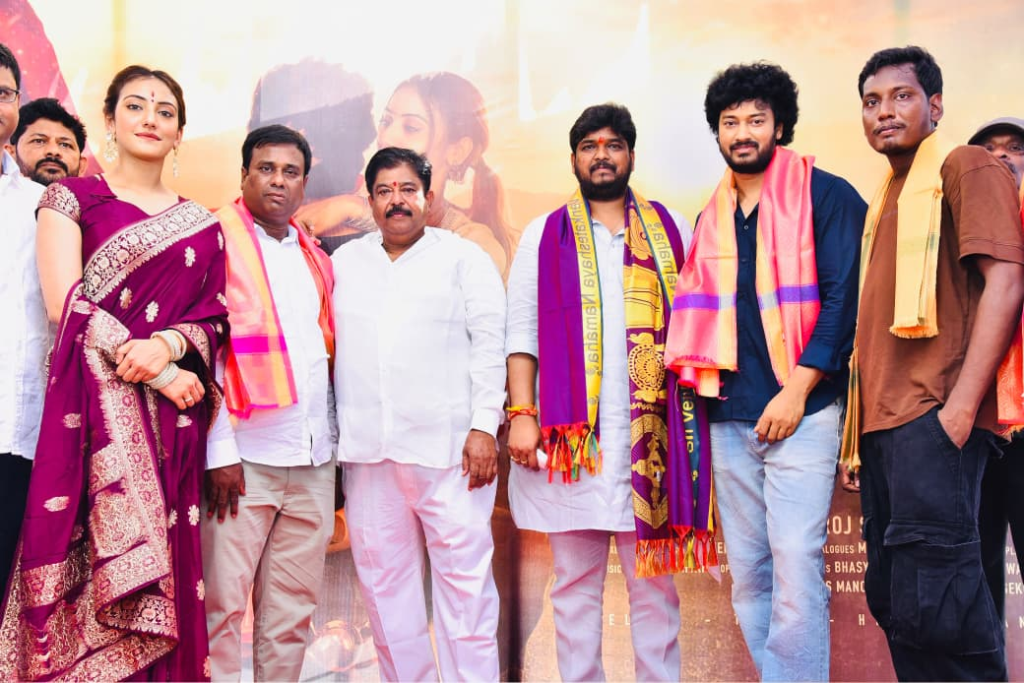
A new romantic entertainer titled Mohabbat, starring Santosh Kalwacherla and Shreyasi Sen in the lead roles with ABS Production banner backing, has been officially launched today. The film is being produced by Afroz Shaikh, while Mak is directing the project and also providing the screenplay.
The grand launch ceremony was held on Friday in the presence of distinguished guests Chinna Srisailam Yadav and MLA Naveen Yadav. MLA Naveen Yadav sounded the clapboard for the auspicious muhurtham shot, while producer Afroz Shaikh switched on the camera. Naveen Yadav also unveiled the film’s first look poster, which has already started attracting attention.
Speaking at the media interaction organized by the film’s team, the guests and makers shared their thoughts about the project.
MLA Naveen Yadav said , “I am delighted to be part of the grand launch of Mohabbat. I thank the team for inviting me to this special occasion. Producer Afroz Anna is encouraging new talent through this project. I understand the struggles and dedication of people working in the film industry. Despite numerous challenges, they continue to create and produce films. I wish everyone associated with Mohabbat the very best. The film is being planned as a Pan-India release, and I hope director Mak achieves great success. I sincerely hope the movie becomes a big hit.”
Director Mak (Saleem Malik) said, “Producer Afroz Shaikh has come forward to make Mohabbat without compromising on quality. I thank everyone who supported me throughout this journey. The film will be an emotional, youthful Gen-Z love story with strong contemporary appeal. We are excited to bring it before audiences across India very soon.”
Producer Afroz Shaikh said, “Mohabbat is the first project under my ABS Production banner. I strongly believe the film will achieve notable success. Mak is a talented filmmaker, and I am confident that Santosh and Shreyasi will earn good recognition through this movie. I thank Naveen Yadav garu and Srisailam Yadav garu for gracing our launch event and extending their support.”
Actress Shreyasi Sen said, “Mohabbat has all the ingredients that audiences look for in a complete entertainer. I instantly connected with the story and loved the script. This is my second film, and I am grateful to Mak garu and Afroz garu for giving me this opportunity.”
Actor Santosh Kalwacherla said , “Afroz garu has immense passion for cinema, and our director Mak is an exceptionally talented filmmaker. Music plays a crucial role in a love story like this, and I am very happy to be working with music director Sunil Kashyap.”
Story and Dialogue Writer Kalam said , “The story of Mohabbat has shaped up beautifully. I have written the story and dialogues, and the film is packed with strong emotional values that will connect with audiences.”
Cast : Santosh Kalwacherla, Shreyasi Sen, Ajay Ghosh, Sathwik, and Others
Technical Crew:
Producer: Afroz Shaikh
Banner: ABS Production
Screenplay & Direction: Mak
Executive Producer: Salim Shaikh
Story & Dialogues: Kalam
Additional Screenplay: KVR
Music Director: Sunil Kashyap
Director of Photography: YS Krishna
Lyrics: Bhashyasree
Choreography: Moin
Action: Joshua
Designs: MKS Manoj
Production Manager: Raja Sekhar
PRO: Sai Satish
Jaaved Jaaferi and Meezaan to Nikhil Siddhartha and Unni Mukundan: Meet the Desi He-Man and The Masters of The Universe

He-Man and The Masters of The Universe releases today, 5th June, in theatres near you.
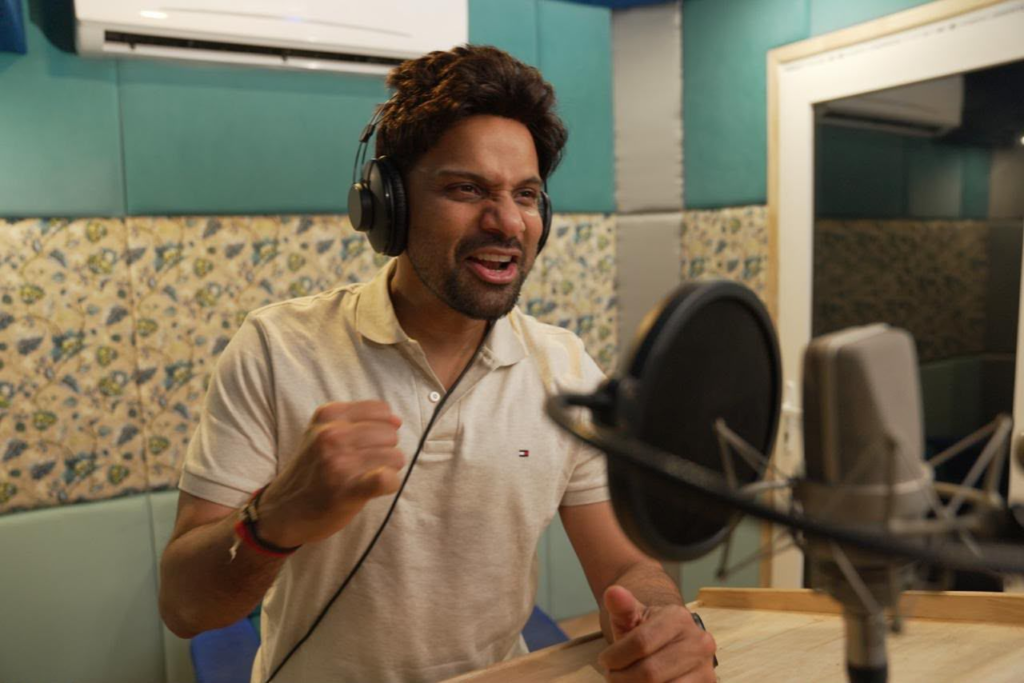
He-Man and The Masters of the Universe is finally hitting the theatres on 5th June. Fans of the popular animated series have been eagerly waiting to revisit the legendary world of Eternia. He-Man and the Masters of The Universe is extra special for fans in India as the film has been released in four local languages, including Hindi, Tamil, Telugu and Malayalam. The cherry on the icing is that some of the most familiar and celebrated voices from India have stepped in to lend their voices to the film’s popular characters, He-Man and Skeletor. Let’s take a look at the cast:

Jaaved Jaaferi – Skeletor
Known for his incredible versatility and distinctive voice, Jaaved Jaaferi takes on the role of the dreaded Skeletor in the Hindi version. Blending menace with personality, he brings a memorable flair to the iconic villain, elevating Eternia’s battle for power.
Meezaan Jafri – Prince Adam / He-Man
Bringing charm and infectious energy to the role, Meezaan voices Prince Adam, the young royal who transforms into the mighty He-Man in the Hindi version. His spirited performance captures both Adam’s vulnerability and He-Man’s unwavering courage, making the iconic hero relatable for a new generation of fans.
Karthik – He-Man
With a career spanning decades, Karthik brings warmth, charisma and heroism to Prince Adam’s transformation into He-Man in the Tamil version. Widely loved for his effortless screen presence and unwavering popularity among audiences, his voice perfectly captures the courage and heart of Eternia’s greatest defender.
Adithya Menon – Skeletor
With his commanding voice and strong screen persona, Adithya Menon is a natural fit for the menacing Skeletor across the Tamil, Telugu and Malayalam versions. Bringing gravitas and intensity to the iconic villain, he adds a powerful layer to the character’s relentless quest for power.
Arjun Sarja – Duncan
Veteran star Arjun Sarja lends his voice to Duncan in the Tamil version, the trusted ally and mentor figure in Eternia. By portraying strong, dependable characters throughout his career, Arjun brings authority, wisdom and emotional depth to Duncan, taking the role a notch higher.
Nikhil Siddhartha – He-Man
One of Telugu cinema’s most popular contemporary stars, Nikhil Siddhartha steps into the shoes of He-Man with energy and conviction in the Telugu version. His youthful appeal and strong connection with audiences make him an exciting choice to voice the legendary hero.
Rao Ramesh – Duncan
Known for his distinctive voice, Rao Ramesh brings warmth and wisdom to Duncan in the Telugu version. His performance adds an emotional grounding to the character while reflecting the mentor’s unwavering loyalty to Eternia.
Unni Mukundan – He-Man
With his commanding screen presence and action-hero image, Unni Mukundan is an ideal voice for He-Man in Malayalam. He brings strength, determination and a sense of nobility that perfectly aligns with the protector of Castle Grayskull.
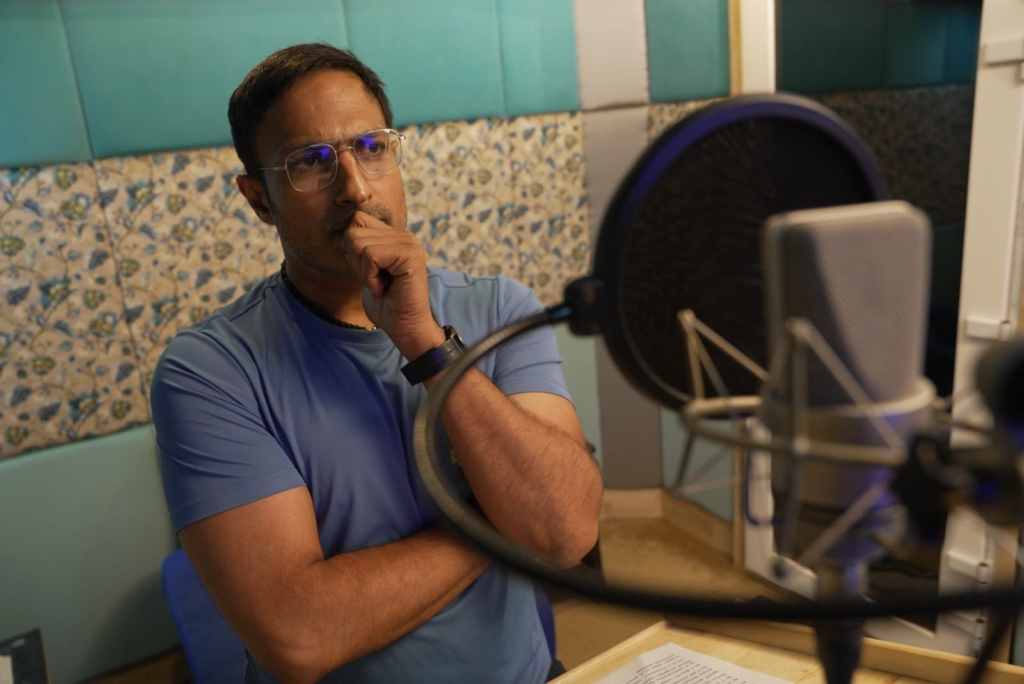
Harish Uthaman – Duncan
Known for his impactful performances, Harish Uthaman lends a reassuring and grounded presence to Duncan in the Malayalam version. His voice captures the character’s experience, resilience and unwavering commitment to protecting Eternia.
By bringing together some of the most popular voices from cinema, He-Man and The Masters of the Universe promises an experience that feels both epic and deeply local for audiences across regions. As the battle for Eternia unfolds on the big screen, these actors ensure that the legendary characters resonate with fans in every language.
Sony Pictures Releasing International releases He-Man and The Masters of the Universe theatrically on 5th June 2026 in English, Hindi, Tamil, Telugu, and Malayalam.
“Don’t Reduce 22 Years of Struggle to a Debate on Sex Work”: Sunitha Krishnan on Supreme Court’s Historic Protection Framework for Trafficking Survivors
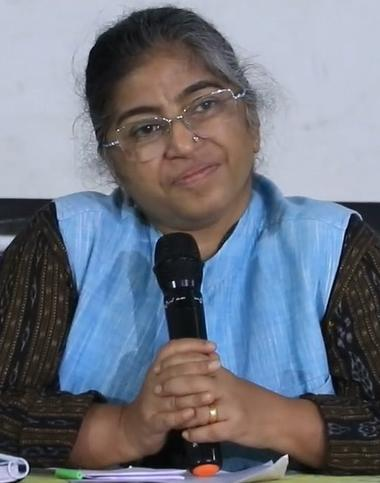
A week after the Supreme Court delivered a landmark judgment establishing a nationwide Victim Protection Plan for survivors of sex trafficking, Prajwala founder and Padma Shri awardee Sunitha Krishnan addressed the media in Hyderabad to explain the verdict’s significance and respond to what she described as misleading interpretations in sections of the media.
Calling the verdict the culmination of a 22-year legal battle fought on behalf of trafficking survivors, Krishnan expressed concern that much of the public discussion had shifted towards questions surrounding voluntary sex work while overlooking the case’s central purpose. “Don’t reduce 22 years of struggle to a debate on sex work,” she said. “This case was fought for trafficking survivors. It was fought for their dignity, rehabilitation, protection and rights.”
Joined by survivor leaders from Prajwala’s survivor collective Aparajita and senior Supreme Court advocate Aparna Bhat, who appeared virtually from New Delhi, Krishnan spent nearly an hour explaining the legal journey that led to the judgment, the provisions in the newly recognised Victim Protection Plan, and the challenges that still lie ahead in ensuring implementation.
For Krishnan, the story began not in 2026, but in 2004.
Working for decades with women and girls rescued from commercial sexual exploitation, Prajwala repeatedly encountered a troubling reality. Rescue operations were taking place, but survivors continued to face victimisation even after being brought out of brothels and trafficking networks. Many encountered stigma, neglect, bureaucratic indifference and repeated exploitation through institutional processes.
This experience led Prajwala to file a Public Interest Litigation before the Supreme Court in 2004 seeking a national Victim Protection Protocol for survivors of sex trafficking.
“We rescued more than 32,000 girls and women. What we kept seeing was that rescue alone was not enough. Even after rescue, survivors continued to face stigma, neglect, exploitation and repeated victimisation,” Krishnan said.
The legal battle that followed would span more than two decades.
According to Krishnan and Aparna Bhat, the matter was disposed of twice after assurances from the Union Government that substantial reforms would be introduced. In 2015, the Government assured the Court it would bring a comprehensive anti-trafficking law and establish a specialised Organized Crime Investigation Agency to investigate trafficking networks.
Aparna Bhat explained that the demand for a specialised investigative agency arose from the nature of trafficking itself.
Trafficking, she noted, is organised crime. It often spans multiple districts, states and, in some cases, international borders. Local police stations frequently lack the jurisdictional reach and specialised resources required to dismantle trafficking networks operating across multiple regions. Prajwala therefore argued for a specialised agency capable of coordinating investigations across jurisdictions and addressing trafficking as organised crime rather than isolated offences.
Although committees were formed, consultations conducted and draft bills prepared, implementation remained elusive. At one stage, an anti-trafficking bill was passed in the Lok Sabha, creating optimism that comprehensive reform was imminent. However, the bill later lapsed before passage in the Rajya Sabha.
With promised reforms failing to materialise, Prajwala returned to the Supreme Court in 2017. Further assurances followed. Yet implementation remained absent. In 2022, Prajwala approached the Court once more, arguing that the commitments made before the judiciary had still not been fulfilled. When hearings resumed in 2024, the Government argued that provisions under the Bharatiya Nyaya Sanhita were sufficient and that a separate anti-trafficking law was unnecessary. The litigation subsequently culminated in the present judgment.
“Our position has remained consistent since 2004. Victims of trafficking need a structured protection framework from the moment they come into contact with the State during rescue until they are fully rehabilitated and reintegrated,” Bhat explained.
Krishnan described the May 29 judgment as a historic turning point because, for the first time in independent India’s history, the judiciary explicitly recognised the trauma and lived realities of sex trafficking survivors and established a detailed Victim Protection Plan.
“For the first time in 77 years of Independence, the judiciary has acknowledged the trauma and suffering of survivors of sex trafficking,” she said.
The framework, she explained, covers the entire continuum of care and protection, including rescue, immediate support, rehabilitation, legal aid, reintegration and long-term recovery. It assigns responsibilities to various stakeholders and introduces accountability mechanisms for institutions responsible for assisting survivors.
Among the most significant provisions, Krishnan said, is the recognition of rehabilitation as a right.
“Rehabilitation is not charity. Rehabilitation is a right.”
For the first time, rehabilitation has been explicitly linked to Articles 21 and 23 of the Constitution, recognising it as an entitlement flowing from the rights to life, dignity and freedom from exploitation.
Another major contribution of the judgment, according to Krishnan, is its definition of dignity.
The Court identifies three core elements. A survivor must not be treated as a commodity. She must be recognised and treated with respect. And she must be provided the material conditions necessary to lead a meaningful life.
“Only when all three are present can dignity be realised,” Krishnan explained.
The judgment also recognises survivor consent as a critical element of rehabilitation. Decisions concerning rehabilitation and reintegration must take into account the survivor’s wishes and choices. Magistrates are required to hear and consider the views of survivors throughout the process while ensuring that coercion and intimidation are properly examined.
Krishnan further highlighted provisions guaranteeing legal representation for survivors.
“For the first time, every victim has the right to legal representation. The State must ensure that survivors have access to a lawyer.”
The judgment also introduces important accountability measures.
For years, Anti-Human Trafficking Units (AHTUs) have functioned primarily as rescue teams with limited powers after survivors were handed over to local police. Krishnan explained that the new framework directs that Anti-Human Trafficking Units be notified as police stations, enabling them to play a more substantial role in investigation and follow-up action.
“We have been demanding stronger Anti-Human Trafficking Units for years because trafficking is organised crime. This judgment gives them a far more meaningful role.”
Another provision Krishnan repeatedly emphasised concerns compensation.
For years, adult survivors of sex trafficking often struggled to secure compensation despite participating in lengthy criminal proceedings and providing testimony against traffickers.
“This judgment clearly says that adult victims of sex trafficking have a right to compensation. Compensation is now mandatory.”
The judgment also contains recommendations extending beyond the Victim Protection Plan itself.
One recommendation calls upon the Government of India to consider a comprehensive anti-trafficking law addressing all forms of trafficking, not merely trafficking for commercial sexual exploitation. Another urges attention to cyber-enabled and technology-facilitated trafficking, reflecting concerns raised through national research and consultations.
Krishnan noted that trafficking today increasingly operates through social media platforms, digital networks and online recruitment systems, creating new vulnerabilities that existing frameworks must address.
A substantial portion of the press conference focused on clarifying public confusion surrounding the judgment’s observations regarding voluntary adult sex work.
Krishnan argued that several media reports had incorrectly framed the verdict as being primarily about voluntary sex work.
“This judgment is about trafficking survivors,” she said repeatedly.
Explaining the Court’s reasoning, she said the judgment acknowledges that spaces associated with prostitution may contain different categories of individuals: trafficked persons, individuals who were trafficked but have become normalised within exploitative environments, and persons who may be voluntarily engaged in sex work.
Importantly, Krishnan stressed, the judgment does not prohibit rescue operations.
“When a rescue happens, everyone may tell the same story. In our experience, the truth often emerges only later.”
The judgment therefore provides a process under which individuals are brought before a magistrate, placed in safe accommodation and subjected to a threshold inquiry supported by professional social work assessments before final determinations are made.
“Rescue is not stopped. Rescue happens. Inquiry happens afterwards.”
While legal and policy discussions formed a major part of the briefing, the most powerful moments of the press conference came when survivor leaders themselves addressed the media.
Representing different regions of the country and different journeys through trafficking and recovery, Nazia from West Bengal, Sujata Pradhan from Odisha, Shravanthi from Rajahmundry and Siraj from Chittoor shared their experiences of trafficking, rescue, rehabilitation and rebuilding their lives.
Their testimonies transformed what had been a discussion about law and policy into a conversation about lived realities.
Nazia spoke about the need for stronger anti-trafficking investigations and specialised mechanisms capable of responding more effectively to survivors’ needs. Having experienced the system firsthand, she expressed hope that stronger Anti-Human Trafficking Units would lead to greater accountability and better outcomes for survivors.
Sujata Pradhan reflected on how rehabilitation helped her rebuild her life with dignity and independence. She said meaningful support, opportunities and sustained intervention had played a crucial role in helping survivors move beyond exploitation and reclaim their futures.
Among the survivor testimonies, Shravanthi’s remarks offered one of the clearest illustrations of what rehabilitation actually means in practice.
Originally from Rajahmundry, she recounted how she was deceived and trafficked into commercial sexual exploitation before being rescued by police and referred to Prajwala through court orders.
“Because I received proper rehabilitation, I am able to stand before you today and speak with dignity,” she said.
She explained that rehabilitation is far more than food and shelter. It includes education, healthcare, life skills, vocational training, livelihood opportunities and the support necessary to rebuild an independent life.
“Rehabilitation is not simply eating and staying somewhere. It is learning skills, receiving healthcare, education and support to live independently.”
Today, years after her rescue, Shravanthi works with rehabilitation programmes herself, helping other survivors navigate journeys similar to her own. She also highlighted the role survivor consultations played in shaping the framework, noting that recommendations gathered through meetings and video conferences with survivors were ultimately considered during the legal process.
Siraj, trafficked from Chittoor, spoke about how rehabilitation and vocational training enabled her to build a livelihood and regain confidence. She welcomed the new framework’s focus on employment opportunities, self-reliance and long-term support for survivors.
Krishnan noted that survivor participation had been central throughout the 22-year legal battle.
Over the years, national consultations were conducted with survivors from across India to understand their experiences and gather recommendations regarding protection, rehabilitation and compensation. Many of these concerns ultimately found reflection in the final framework.
“The people who understand trafficking best are those who have survived it,” Krishnan said. “Their voices shaped this struggle and their experiences shaped this judgment.”
Twenty-two years after Prajwala first approached the Supreme Court seeking a protection framework for trafficking survivors, the judgment has finally arrived. Yet, as Sunitha Krishnan repeatedly reminded those gathered at the press conference, the verdict is not the destination but the beginning of a new responsibility. For the women who sat beside her – survivors who once entered the system as victims and now stand as leaders, advocates and contributors to shaping policy – the significance of the judgment lies in what happens next. Whether its promises reach every rescue operation, every shelter home and every survivor seeking a second chance will determine its true legacy. “Bringing this judgment was a struggle. Implementing it will be another struggle,” Krishnan said, leaving a reminder that the fight for dignity, rehabilitation and justice does not end with a verdict – it begins with its implementation.
Pooja Tests her luck in Bollywood

Pooja Hegde is once again making headlines as her Bollywood film “Hai Jawani Toh Ishq Hona Hai” hits theaters on June 5. Co-starring Varun Dhawan and Mrunal Thakur, the David Dhawan-directed entertainer has brought her back into the spotlight.
The film is particularly significant for Pooja. After a series of setbacks in both Telugu and Hindi cinema, she is hoping to regain momentum with a commercial entertainer backed by a reputed banner. The actress has been actively promoting the film and has emerged as one of the key faces of its publicity campaign.
Interestingly, the film’s release comes at a time when Pooja is also strengthening her presence in South Indian cinema. She has several high-profile projects lined up, including Vijay’s “Jana Nayagan”, “Kanchana 4”, and a new film with Dulquer Salmaan.
With a major Hindi release arriving this week and multiple South Indian films in the pipeline, Pooja Hegde appears to be entering a crucial phase of her career. The box-office performance of “Hai Jawani Toh Ishq Hona Hai” could play a key role in shaping her immediate future in Bollywood.
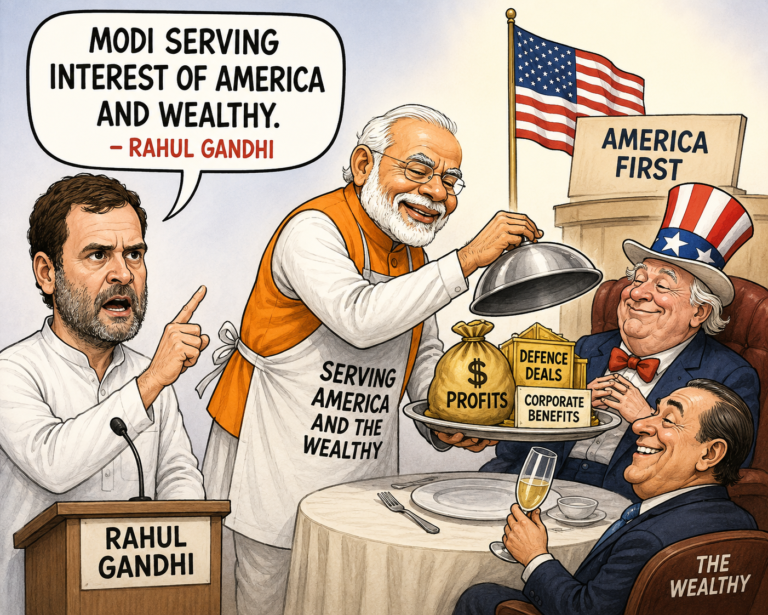
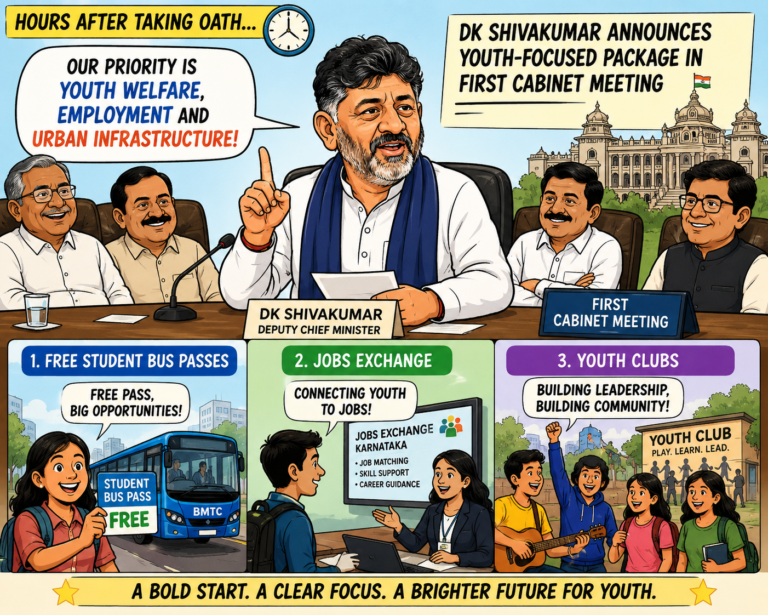
A life full of relationships…A family full of emotions..A heart full of scars..
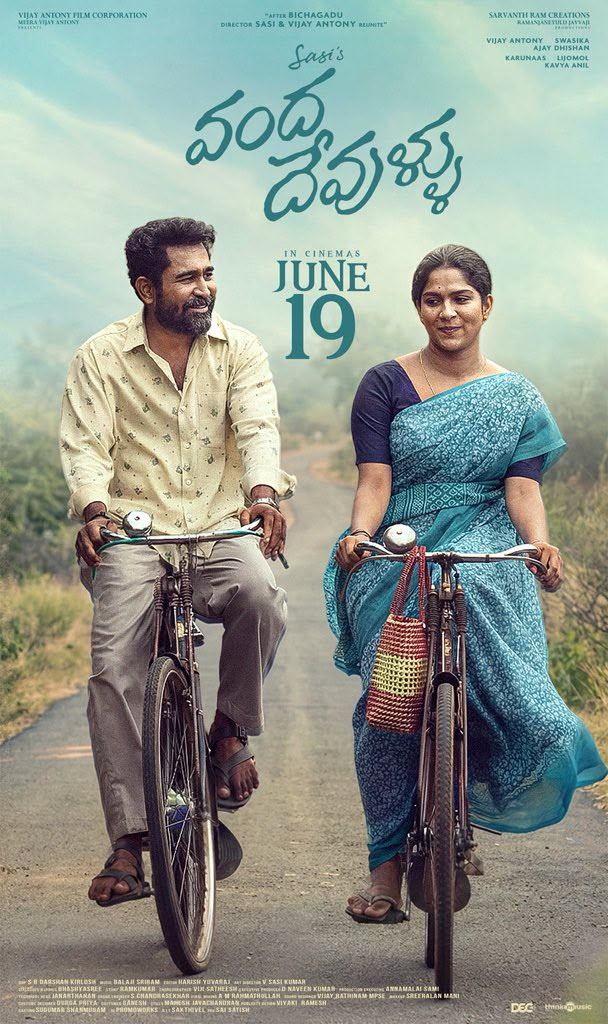
VandaDevullu from June 19th in cinemas!
VandaDevulluFromJune19
A #FamilyBiopic.
@vijayantony #Sasi @vijayantonyfilm #Swasika @AJDhishan990 @karunaasethu @jose_lijomol #BalajiSakthivel @Sakthi_Raj7 @kavyaanil_ @padinekumar_ofl #Bucks @VinodhiniUnoffl @dhivakargj @dhivakargj #ThamaraiSelvi @murugan_vadivel @imbalajisriram @DarshanKirlosh @imbalajisriram #HarishKarthi @sasikumarartdi1 #Ramkumar @Lyricist_Mohan #DurgaPriya #MaheshJayachandran @PoetBhashyasree @sugaa14 @viyaki_s @thinkmusicindia @PROSaiSatish @KvMothi @Decoffl_
Hyderabadis and Indians Choking Their Roads with Unnecessary Vehicle Travel
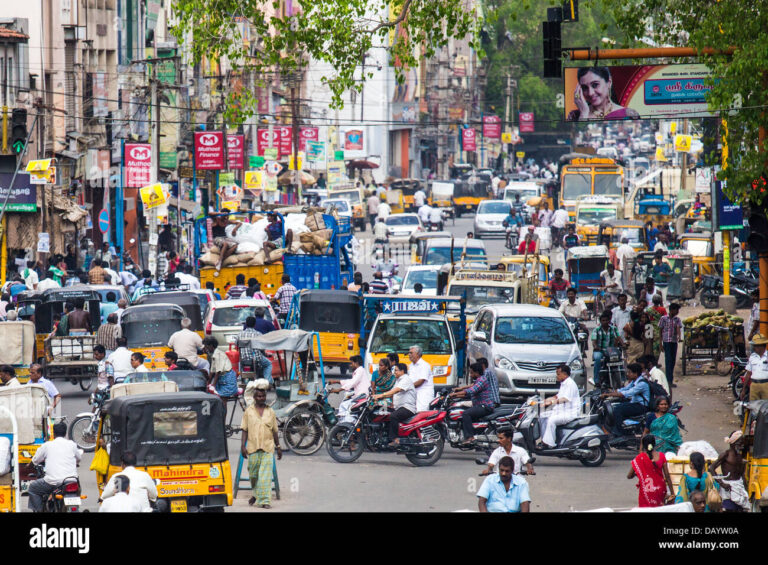
India’s roads are becoming increasingly crowded, and Hyderabad is a striking example of this trend. From early morning until late at night, roads are packed with two-wheelers, cars, SUVs, delivery vehicles, and ride-hailing taxis.
While population growth and economic development are major factors, another important reason often goes unnoticed: a significant amount of travel is not strictly necessary and could be reduced through better planning, public transport, and changes in lifestyle.
Many urban residents use motorcycles or cars for extremely short trips that could be completed on foot, by bicycle, or through combined errands. A visit to a nearby store, a quick coffee run, dropping off a parcel, or making multiple separate shopping trips often results in additional vehicle movements. When millions of people make such decisions every day, the cumulative impact on traffic becomes enormous.
The popularity of two-wheelers has transformed mobility in Indian cities. They are affordable, convenient, and capable of navigating congestion. However, the very convenience of motorcycles and scooters encourages frequent short-distance travel. In many Hyderabad neighborhoods, it is common to see people using two-wheelers for distances of less than one kilometer. While each individual trip may seem insignificant, collectively they contribute substantially to congestion, parking shortages, noise pollution, and emissions.
The rapid growth of private car ownership has further intensified the problem. Cars occupy significantly more road space than two-wheelers and public transport. A single occupant driving a large SUV to work consumes far more road capacity than a bus carrying dozens of passengers. As incomes rise, many families own multiple vehicles, increasing the number of trips on already crowded roads.
The consequences are visible everywhere. Commuters spend hours stuck in traffic. Fuel consumption rises. Air quality deteriorates. Emergency vehicles struggle to move through congested streets. Businesses lose productivity due to delays, and citizens experience increased stress and reduced quality of life.
Hyderabad’s road infrastructure has expanded through flyovers, underpasses, and wider roads, but traffic growth often outpaces these improvements. New road capacity frequently fills up quickly because more people choose to drive. This creates a cycle in which congestion returns despite expensive infrastructure investments.
The solution is not to blame vehicle owners. Many people have legitimate reasons for using personal transport, including inadequate public transport coverage, safety concerns, long commuting distances, and poor pedestrian infrastructure. Instead, policymakers and citizens must work together to reduce unnecessary travel and make alternative modes more attractive.
Several measures can help:
1. Strengthen public transport with reliable buses, metro connectivity, and last-mile services.
2. Build safe footpaths and cycling infrastructure.
3. Encourage mixed-use urban development where homes, workplaces, schools, and shops are located closer together.
4. Promote remote work and hybrid work arrangements where feasible.
5. Improve digital delivery and government services to reduce physical travel requirements.
6. Introduce congestion management measures in the busiest urban corridors.
7. Encourage trip consolidation, where multiple errands are combined into a single journey.
8. Create awareness about the economic and environmental costs of unnecessary vehicle usage.
Citizens also have a role to play. Choosing to walk short distances, carpool, use public transport occasionally, or combine errands can collectively make a significant difference. Small behavioral changes adopted by millions of people can reduce congestion more effectively than many large infrastructure projects.
India’s economic growth depends on efficient mobility. Roads should primarily serve essential movement of people, goods, and services rather than becoming permanently clogged by avoidable trips.
Hyderabad and other Indian cities have an opportunity to build a more sustainable transport culture—one that balances convenience, productivity, and environmental responsibility.
The question is not whether Indians should own vehicles. The real question is whether every trip requires one. The future of India’s cities may depend on how that question is answered.