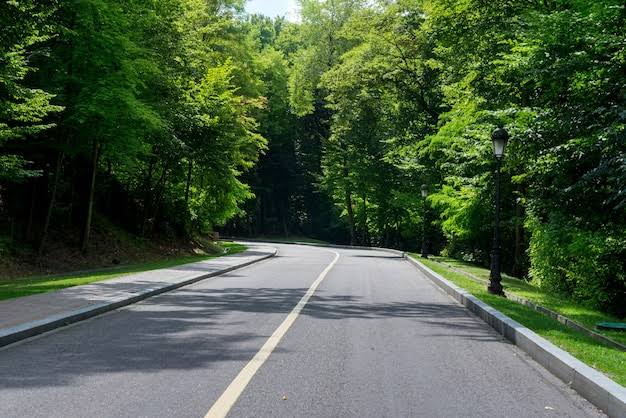

Telangana has rapidly emerged as one of India’s fastest-growing states in terms of road infrastructure. Wide national highways, regional ring roads, elevated corridors, industrial connectivity roads, and expressways are transforming travel and logistics across the state. From Hyderabad to Warangal, Karimnagar, Nizamabad, Mahabubnagar, and Khammam, smoother roads are reducing travel time and boosting economic activity.
Yet, beneath this development success lies a growing environmental concern — many highways across Telangana are becoming long stretches of concrete and asphalt with little or no greenery.
For travelers during summer, the experience is increasingly harsh. Temperatures on treeless highway stretches often feel unbearable, with heat radiating from blacktop roads. Dust pollution, reduced shade, disappearing biodiversity, and rising surface temperatures are turning highways into heat corridors rather than sustainable mobility corridors.
The Vanishing Green Cover Along Roads
Older roads in Telangana once had rows of neem, banyan, tamarind, rain trees, and peepal trees along both sides. These trees offered:
Shade for travelers
Cooler roadside temperatures
Habitat for birds and small wildlife
Natural dust barriers
Protection against soil erosion
However, highway widening projects over the past decade have led to the removal of thousands of roadside trees. In many cases, compensatory plantation either happened poorly or survival rates remained extremely low.
Several stretches now resemble barren urban corridors rather than environmentally balanced highways.
Why Greenery Matters on Highways
1. Reduces Heat
Tree-lined highways can reduce roadside temperatures by several degrees. In Telangana, where summer temperatures often cross 45°C, this becomes essential rather than optional.
2. Improves Road Safety
Studies worldwide show that green buffers reduce driver fatigue and glare. Long barren roads increase eye strain and exhaustion.
3. Controls Pollution
Trees absorb carbon dioxide, trap dust particles, and reduce noise pollution from heavy traffic.
4. Supports Groundwater
Vegetation helps rainwater percolate into the ground instead of causing runoff and flooding.
5. Enhances Beauty and Tourism
Beautiful green highways create a positive image for the state and improve travel experience.
Why Telangana’s Highways Lack Greenery
Poor Plantation Planning
Often plantations are done ceremonially during inaugurations but lack long-term maintenance.
Wrong Tree Selection
Some projects use decorative shrubs instead of durable native shade trees.
Lack of Irrigation
Young saplings die during peak summers because there are no drip irrigation systems or water tank maintenance.
Encroachments and Commercialization
Roadside commercial development frequently removes green buffers.
Concrete-Centric Design
Modern highway engineering prioritizes speed and lane width but often neglects ecological design.
Hyderabad’s Expanding Heat Island Problem
The issue is especially visible around Hyderabad’s Outer Ring Road and rapidly urbanizing highway corridors. Massive real-estate growth combined with declining tree cover intensifies the urban heat island effect.
As Telangana urbanizes further, highways without greenery could worsen:
Heatwaves
Air pollution
Water scarcity
Public health stress
Solutions Telangana Can Implement
1. Mandatory Green Highway Policy
Every highway project should reserve dedicated green corridors on both sides with legally enforceable plantation targets.
India already has the concept of Green Highways under the central government, but implementation must become stricter at the state level.
2. Use Native Telangana Tree Species
Instead of ornamental plants, authorities should prioritize:
Neem
Pongamia
Banyan
Tamarind
Kanuga
Peepal
Gulmohar
Rain trees
Native species survive better and require less maintenance.
3. Drip Irrigation for Highway Plantations
Without water, plantations fail. Solar-powered drip irrigation systems should become standard in all major road projects.
4. Develop “Cool Corridors”
Selected major highways should become model climate-resilient corridors with:
Dense tree cover
Rainwater harvesting trenches
Solar lighting
Biodiversity zones
Rest areas with shaded landscaping
5. Independent Survival Audits
Instead of counting planted saplings, the government should measure:
3-year survival rates
Tree canopy growth
Ecological impact
Contractors should be paid based on survival, not merely plantation numbers.
6. Citizen and Corporate Participation
Industries, educational institutions, and local communities can adopt highway stretches for maintenance under CSR initiatives.
7. Integrate Haritha Haram With Highways
Telangana’s flagship plantation initiative, Telangana Ku Haritha Haram, should focus more intensively on highway ecosystems rather than only urban plantation drives.
Learning From Other States
States such as Maharashtra, Karnataka, and parts of Tamil Nadu have experimented with greener highway models using median plantations, bio-fencing, and avenue forests. Telangana can adapt and improve these ideas.
Development Should Not Mean Bare Concrete
Infrastructure development is necessary for economic growth. Telangana deserves world-class highways. But true progress is not measured only in kilometers of asphalt — it is measured in sustainability, livability, and environmental balance.
A highway without greenery may move vehicles faster, but it also accelerates heat, pollution, and ecological decline.
The future of Telangana’s highways should not be endless grey corridors. They should become green lifelines that combine mobility with environmental responsibility.
If Telangana can successfully integrate greenery into its infrastructure planning today, it can become a national model for climate-resilient highways tomorrow.
Telangana’s Highways Are Expanding, But Where Is the Greenery?