

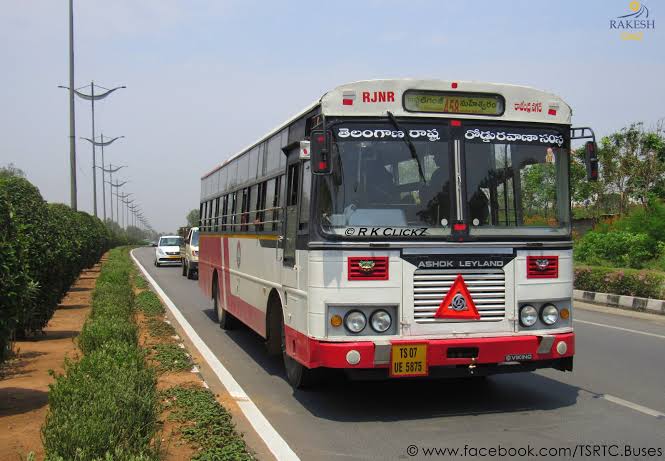
India’s cities are growing at an unprecedented pace. With rising incomes, expanding urban populations, and increasing aspirations, private vehicle ownership has become a symbol of convenience and status. However, the consequences are becoming impossible to ignore — traffic congestion, air pollution, fuel consumption, road accidents, and loss of productivity.
Public transportation offers the most sustainable solution, yet many Indians still prefer private vehicles for daily intra-city travel.
Encouraging Indians to adopt public transport requires more than simply adding buses or metro trains. It demands a complete transformation in urban planning, commuter experience, public perception, and government policy.
Why Indians Avoid Public Transportation
1. Poor Last-Mile Connectivity
Many commuters struggle to reach bus stops or metro stations conveniently. If a person has to walk long distances or rely on unreliable auto-rickshaws, they often prefer using their own vehicle.
2. Overcrowding and Comfort Issues
Packed buses and crowded metro trains discourage regular use, especially among elderly passengers, women, and office-goers seeking comfort.
3. Unreliable Timings
Frequent delays, inconsistent schedules, and lack of real-time information reduce trust in public transport systems.
4. Social Perception
Owning a car or bike is often associated with social status and personal freedom, while public transportation is still viewed by some as a “lower-income” option.
5. Safety Concerns
Women’s safety, poor lighting near stations, reckless driving by buses, and lack of security measures discourage usage.
6. Weak Integration Between Transport Modes
Metro, buses, suburban trains, auto-rickshaws, and cycling infrastructure often operate independently instead of functioning as a seamless network.
Steps to Make Public Transportation Attractive
1. Improve Quality and Reliability
The first step is ensuring public transport is dependable.
Buses and metro trains must follow strict schedules.
GPS-based tracking apps should provide real-time updates.
Cleanliness and maintenance should be prioritised.
Air-conditioned buses and modern seating can improve comfort.
When commuters know they can reach destinations on time consistently, confidence in public transport increases.
2. Strengthen Last-Mile Connectivity
A strong public transport network fails if commuters cannot easily reach stations.
Cities should introduce:
Electric feeder buses
Shared e-rickshaws
Bicycle-sharing systems
Safe pedestrian pathways
Dedicated cycling lanes
Integrated mobility hubs can connect metro stations with autos, buses, and app-based mobility services.
3. Make Public Transport Affordable Yet Premium
Affordable fares are important, but quality should not suffer.
Authorities can introduce:
Monthly passes for office workers and students
Digital smart cards valid across all transport systems
Discounted family and senior citizen passes
Corporate commuter partnerships
People should feel they are getting value, not merely a cheap alternative.
4. Improve Safety and Accessibility
Public transport must be safe for everyone.
Important measures include:
CCTV cameras in buses and stations
Women-only sections during peak hours
Better street lighting near stops
Panic buttons and emergency response systems
Accessibility ramps for elderly and disabled commuters
A safe environment builds long-term public trust.
5. Discourage Excessive Private Vehicle Use
Cities around the world successfully increased public transport adoption by making private vehicle usage less attractive.
Possible measures include:
Congestion pricing in busy city zones
Higher parking charges
Limited parking availability
Car-free zones in commercial areas
Dedicated bus lanes to reduce travel time
If public transport becomes faster and more convenient than driving, more people will switch naturally.
6. Build Integrated Urban Planning
Indian cities often grow without coordinated transport planning.
Future urban development should focus on:
Transit-oriented development
Residential areas near metro corridors
Mixed-use neighbourhoods
Reduced commuting distances
Cities designed around public transport naturally encourage its usage.
7. Use Technology and Digital Innovation
Technology can modernise commuting experiences.
Useful innovations include:
Unified transport mobile apps
QR-based ticketing
AI-powered traffic management
Digital route planning
Real-time crowd monitoring
A smooth digital experience appeals particularly to younger commuters.
8. Change Public Mindset Through Awareness Campaigns
Public transport must be marketed positively.
Campaigns should highlight:
Reduced pollution
Lower fuel expenses
Time savings
Reduced stress
Environmental responsibility
Celebrities, influencers, and public figures can help normalise public transport usage among middle-class commuters.
Learning from Successful Cities
Several cities worldwide demonstrate how efficient public transport can transform urban life.
Singapore combines strict car ownership rules with world-class metro connectivity.
Tokyo offers punctual, clean, and highly integrated transit systems.
London uses congestion pricing to reduce car traffic.
Delhi and Bengaluru are expanding metro systems, though last-mile connectivity still needs improvement.
India can adapt these lessons based on local realities and population density.
Role of Citizens
Government efforts alone are insufficient. Citizens also play a vital role.
People can:
Prefer buses or metros for routine travel
Use carpooling options
Avoid unnecessary vehicle usage
Support sustainable urban policies
Respect public transport infrastructure
A cultural shift toward shared mobility is essential.
Conclusion
India’s future urban mobility cannot depend solely on private cars and two-wheelers. Expanding road infrastructure endlessly is neither financially nor environmentally sustainable. Efficient public transportation is the backbone of modern cities.
To make Indians adopt public transportation for intra-city commuting, authorities must focus on reliability, comfort, safety, affordability, and convenience. At the same time, cities must discourage excessive private vehicle dependence through smart policies and better urban planning.
If India succeeds in creating fast, clean, safe, and integrated transport systems, public transportation will no longer be seen as a compulsion for the few, but as the preferred choice for all.

