

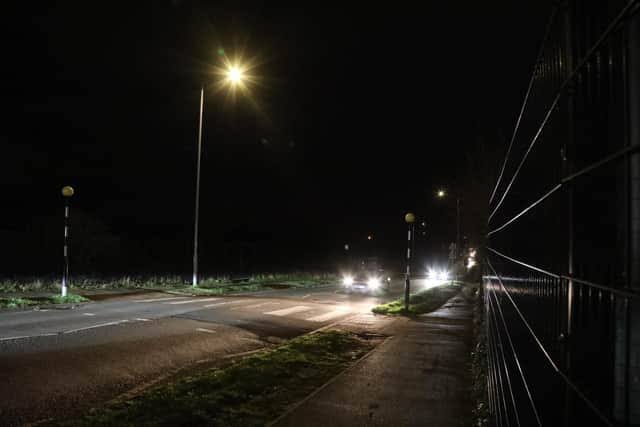
Street lighting is one of the most basic yet critical components of road infrastructure. While India has made progress in expanding highways and urban roads, inadequate, poorly maintained, or non-functional street lights remain a serious concern across intra-city roads, inter-city stretches, and national highways. Poor illumination is not merely an inconvenience — it is a public safety hazard with far-reaching social and economic consequences.
The Current Situation
Across many Indian cities and towns, street lights often suffer from:
Non-functional bulbs left unrepaired for weeks or months
Uneven lighting, creating bright and dark patches
Poor-quality fixtures that fail frequently
Lack of lighting on newly constructed stretches
Absence of lighting on service roads and pedestrian crossings
No lighting at highway curves, junctions, or accident-prone zones
On highways, long dark stretches between toll plazas or towns create high-risk driving conditions. In urban areas, interior roads, flyovers, and underpasses often remain poorly lit.
Consequences of Poor Street Lighting
1. Increased Road Accidents
Low visibility reduces reaction time. Drivers may fail to notice pedestrians, cyclists, animals, potholes, or stalled vehicles. High-speed highways without proper illumination become especially dangerous at night. Many fatal crashes occur due to poor visibility rather than driver error alone.
2. Pedestrian and Cyclist Vulnerability
Poor lighting disproportionately affects pedestrians, especially senior citizens, children, and daily wage workers returning home late. Dark roads increase the likelihood of hit-and-run cases and make zebra crossings ineffective.
3. Crime and Public Safety Issues
Dark streets provide cover for criminal activities such as theft, chain-snatching, and harassment. Poor lighting discourages women and vulnerable groups from traveling after sunset, restricting mobility and economic participation.
4. Economic Losses
Road accidents lead to medical expenses, vehicle damage, insurance claims, and loss of productivity. Businesses along poorly lit roads experience reduced evening footfall. Tourism areas suffer reputational damage.
5. Psychological Stress for Drivers
Driving on dark highways or city roads causes strain and fatigue. Constantly switching between high and low beams due to oncoming traffic further reduces visibility and increases glare-related accidents.
Root Causes
Poor maintenance contracts and lack of accountability
Delayed repair systems
Outdated sodium-vapor lamps with poor illumination quality
Electricity theft and infrastructure damage
Budget allocation gaps
Lack of smart monitoring systems
Practical Solutions
1. Transition to LED Street Lighting
LED lights consume less power, provide better brightness, and last longer. Uniform LED installation across highways and urban roads can significantly improve visibility while reducing electricity costs.
2. Smart Monitoring Systems
Install centralized monitoring systems that automatically detect non-functional lights. Real-time alerts can enable quicker repairs and reduce downtime.
3. Mandatory Lighting at High-Risk Zones
Government authorities should ensure compulsory lighting at:
Accident-prone zones
Highway curves and intersections
Toll plazas and service roads
Pedestrian crossings and bus stops
Flyovers and underpasses
4. Performance-Based Maintenance Contracts
Maintenance contractors should be paid based on uptime percentage rather than fixed annual fees. This creates accountability and ensures timely repairs.
5. Solar-Powered Street Lights for Remote Areas
In rural highways and inter-city stretches where grid supply is unreliable, solar street lights can provide sustainable illumination.
6. Citizen Reporting Mechanism
Mobile apps and helplines can allow citizens to report faulty street lights. Integration with municipal dashboards can speed up grievance redressal.
7. Road Safety Audits
Night-time road safety audits should become mandatory before opening new roads or highways. Illumination standards must be part of infrastructure approvals.
Policy-Level Intervention
Street lighting should not be treated as an optional beautification feature but as a core safety component. Coordination between municipal corporations, electricity boards, highway authorities, and traffic police is essential.
Investment in lighting infrastructure yields long-term savings through reduced accidents, improved security, and enhanced economic activity.
Conclusion
Poor street lighting on intra-city roads, inter-city roads, and highways is a silent but serious public safety crisis. As India expands its road network and urban footprint, lighting infrastructure must keep pace. Safe roads are not defined only by smooth asphalt but by visibility, accountability, and thoughtful planning.
A well-lit road is not a luxury — it is a fundamental requirement for safety, dignity, and economic progress.

