

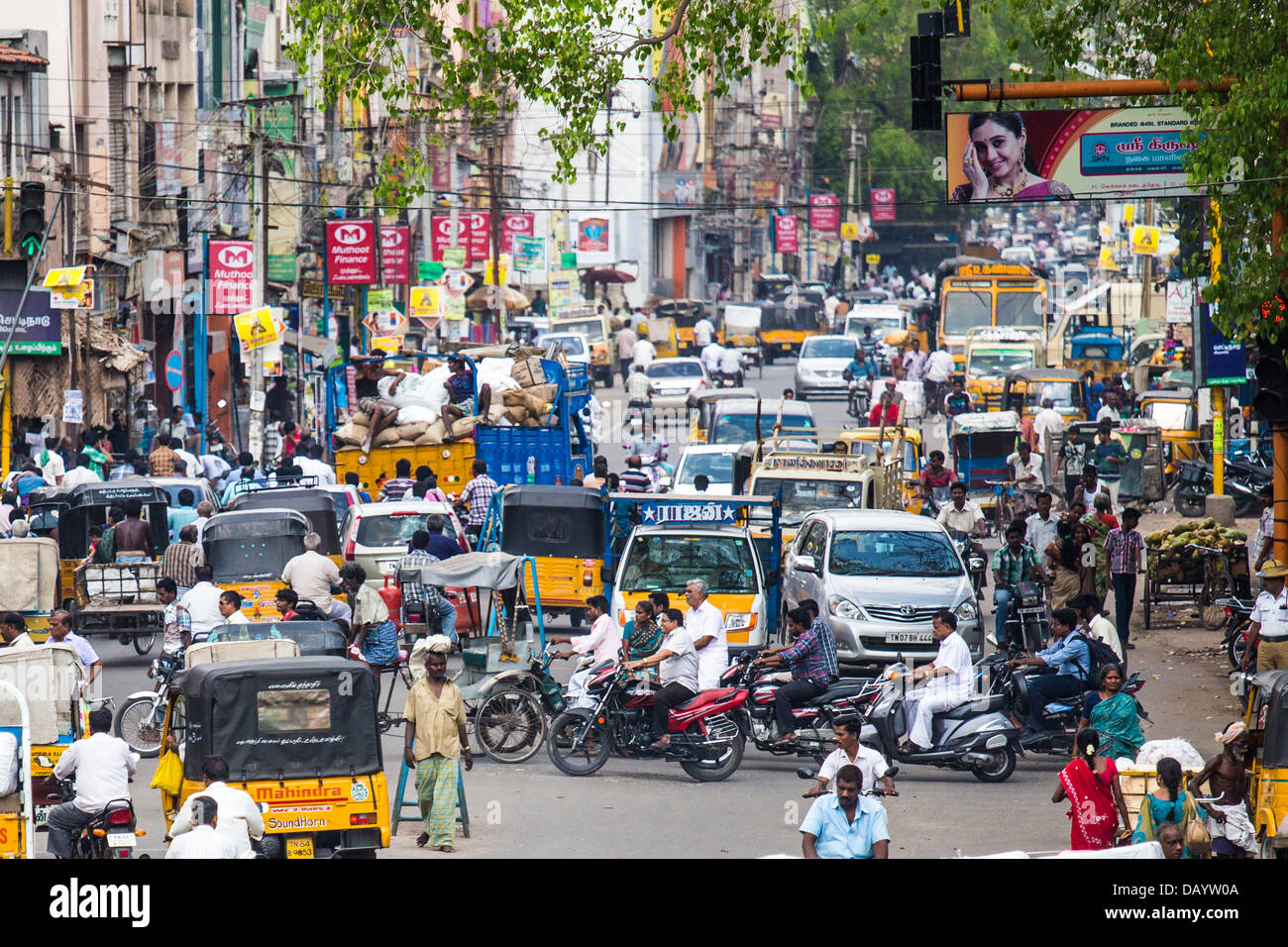
India’s roads are becoming increasingly crowded, and Hyderabad is a striking example of this trend. From early morning until late at night, roads are packed with two-wheelers, cars, SUVs, delivery vehicles, and ride-hailing taxis.
While population growth and economic development are major factors, another important reason often goes unnoticed: a significant amount of travel is not strictly necessary and could be reduced through better planning, public transport, and changes in lifestyle.
Many urban residents use motorcycles or cars for extremely short trips that could be completed on foot, by bicycle, or through combined errands. A visit to a nearby store, a quick coffee run, dropping off a parcel, or making multiple separate shopping trips often results in additional vehicle movements. When millions of people make such decisions every day, the cumulative impact on traffic becomes enormous.
The popularity of two-wheelers has transformed mobility in Indian cities. They are affordable, convenient, and capable of navigating congestion. However, the very convenience of motorcycles and scooters encourages frequent short-distance travel. In many Hyderabad neighborhoods, it is common to see people using two-wheelers for distances of less than one kilometer. While each individual trip may seem insignificant, collectively they contribute substantially to congestion, parking shortages, noise pollution, and emissions.
The rapid growth of private car ownership has further intensified the problem. Cars occupy significantly more road space than two-wheelers and public transport. A single occupant driving a large SUV to work consumes far more road capacity than a bus carrying dozens of passengers. As incomes rise, many families own multiple vehicles, increasing the number of trips on already crowded roads.
The consequences are visible everywhere. Commuters spend hours stuck in traffic. Fuel consumption rises. Air quality deteriorates. Emergency vehicles struggle to move through congested streets. Businesses lose productivity due to delays, and citizens experience increased stress and reduced quality of life.
Hyderabad’s road infrastructure has expanded through flyovers, underpasses, and wider roads, but traffic growth often outpaces these improvements. New road capacity frequently fills up quickly because more people choose to drive. This creates a cycle in which congestion returns despite expensive infrastructure investments.
The solution is not to blame vehicle owners. Many people have legitimate reasons for using personal transport, including inadequate public transport coverage, safety concerns, long commuting distances, and poor pedestrian infrastructure. Instead, policymakers and citizens must work together to reduce unnecessary travel and make alternative modes more attractive.
Several measures can help:
1. Strengthen public transport with reliable buses, metro connectivity, and last-mile services.
2. Build safe footpaths and cycling infrastructure.
3. Encourage mixed-use urban development where homes, workplaces, schools, and shops are located closer together.
4. Promote remote work and hybrid work arrangements where feasible.
5. Improve digital delivery and government services to reduce physical travel requirements.
6. Introduce congestion management measures in the busiest urban corridors.
7. Encourage trip consolidation, where multiple errands are combined into a single journey.
8. Create awareness about the economic and environmental costs of unnecessary vehicle usage.
Citizens also have a role to play. Choosing to walk short distances, carpool, use public transport occasionally, or combine errands can collectively make a significant difference. Small behavioral changes adopted by millions of people can reduce congestion more effectively than many large infrastructure projects.
India’s economic growth depends on efficient mobility. Roads should primarily serve essential movement of people, goods, and services rather than becoming permanently clogged by avoidable trips.
Hyderabad and other Indian cities have an opportunity to build a more sustainable transport culture—one that balances convenience, productivity, and environmental responsibility.
The question is not whether Indians should own vehicles. The real question is whether every trip requires one. The future of India’s cities may depend on how that question is answered.

