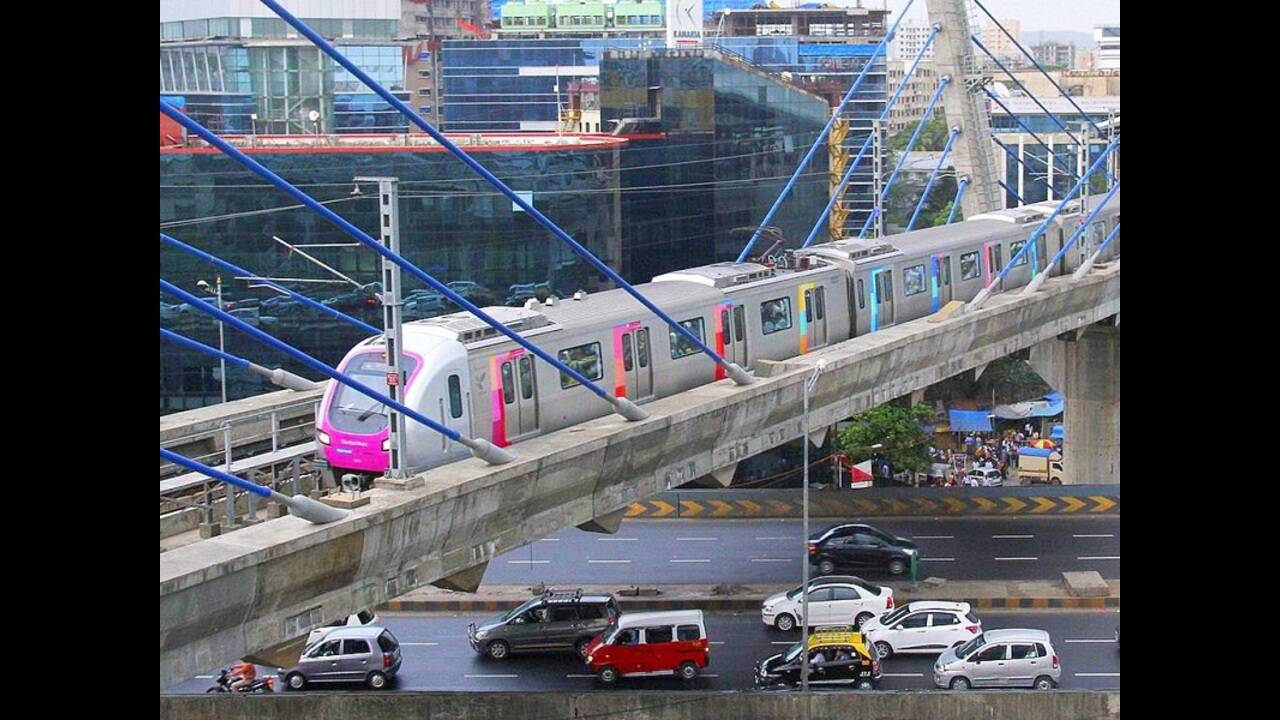

India is entering a decisive phase in its development journey. With rising urbanization, growing middle-class aspirations, climate pressures, traffic congestion, pollution, and rapid industrial expansion, the country faces a fundamental question: should growth continue in a chaotic, reactive manner, or should India build an infrastructure-first civilization where roads, transit, utilities, housing, logistics, water systems, and digital networks are planned before uncontrolled expansion takes place?
An infrastructure-first civilization is one where governments prioritize long-term public infrastructure as the backbone of economic and social life. Instead of cities expanding randomly and infrastructure trying to catch up decades later, infrastructure leads development. Roads come before traffic jams, drainage before floods, transit before vehicle explosion, and industrial corridors before urban sprawl.
Countries such as Singapore, China, South Korea, and the United Arab Emirates transformed themselves by investing heavily in infrastructure decades ahead of demand. India now has the opportunity to do the same at a much larger scale.
Why India Needs an Infrastructure-First Model
India’s cities are under immense stress. Roads are dug repeatedly, flyovers remain incomplete for years, public transport is insufficient, drainage systems collapse during rains, and unplanned construction creates bottlenecks everywhere.
The consequences are severe:
Massive fuel wastage in traffic congestion
Declining productivity
Rising logistics costs
Poor road safety
Urban flooding
Air pollution
Stress and declining quality of life
Reduced investor confidence
Indian cities cannot become globally competitive if infrastructure always follows population growth instead of anticipating it.
An infrastructure-first approach changes this mindset completely.
What Infrastructure-First Civilization Means
Infrastructure-first civilization is not merely about building more roads or bridges. It is a complete governance philosophy.
It includes:
1. Transit-Oriented Development
Cities should grow around metro rail, suburban rail, bus rapid transit, and walkable neighborhoods rather than around private vehicles.
2. Integrated Planning
Roads, drainage, sewage, power lines, water pipelines, internet fiber, and public transport should be planned together instead of by separate departments working in isolation.
3. Future-Proofing
Infrastructure should be designed for population levels expected 20–30 years ahead, not merely for present needs.
4. Public Infrastructure Before Real Estate
Governments should build roads, schools, hospitals, transit, parks, and utility networks before approving massive residential projects.
5. Logistics and Industrial Connectivity
Ports, freight corridors, industrial parks, warehouses, and highways must operate as integrated economic ecosystems.
How Indian States Can Embrace It
Different states have different strengths, but all can adopt common principles.
Telangana and Andhra Pradesh
Cities like Hyderabad, Visakhapatnam, and Vijayawada can focus on:
Expanding metro and regional rail systems
Underground utility corridors
Elevated freight bypasses
Satellite town development
Integrated stormwater drainage systems
Smart traffic management using AI and sensors
Tamil Nadu
Chennai can become a manufacturing and mobility capital by integrating ports, suburban rail, EV infrastructure, and industrial corridors more effectively.
Karnataka
Bengaluru urgently needs transport-led urban redesign:
Multi-level transit systems
Peripheral ring roads
High-speed commuter rail
Better pedestrian infrastructure
Dedicated freight movement corridors
Maharashtra
Mumbai shows how infrastructure can reshape economic power. Coastal roads, metro networks, and trans-harbor connectivity should be complemented with affordable housing and flood resilience planning.
Building Tier-2 and Tier-3 Cities Early
India’s biggest opportunity lies not just in megacities but in preparing smaller cities before they become overcrowded.
Cities such as:
Warangal
Tirupati
Coimbatore
Indore
Surat
can become planned growth centers if infrastructure is built proactively.
Instead of waiting for congestion and slums to emerge, governments should:
Reserve land for future roads and transit
Develop industrial parks early
Ensure digital connectivity
Build water security systems
Promote mixed-income housing
Create green public spaces
Public Transport Must Become the Backbone
India cannot sustain unlimited private vehicle growth. Infrastructure-first civilization requires strong public transportation.
The future lies in:
Metro rail
Electric buses
Suburban rail
Regional rapid transit
Cycling lanes
Walkable streets
Private vehicles should complement public transport, not replace it.
A worker should be able to travel across a city quickly, safely, and affordably without depending entirely on motorcycles or cars.
Water, Drainage and Climate Resilience
Climate change is making infrastructure planning even more critical.
Indian cities must invest in:
Urban lakes restoration
Rainwater harvesting
Floodwater channels
Underground drainage tunnels
Heat-resistant urban design
Green cover expansion
Infrastructure-first civilization also means environmental sustainability.
Concrete alone cannot build resilient cities.
Digital Infrastructure Is Equally Important
The future economy depends on digital connectivity.
States must prioritize:
Public Wi-Fi zones
Fiber-optic connectivity
Smart traffic systems
AI-based governance
Unified digital public services
Smart grids for electricity management
Digital infrastructure reduces corruption, improves efficiency, and saves citizens time.
Financing the Transformation
Infrastructure development requires enormous investment, but the long-term gains are far greater.
States can fund projects through:
Public-private partnerships
Municipal bonds
Land value capture financing
Infrastructure investment trusts
Transit-oriented real estate development
Long-term pension and sovereign funds
Efficient infrastructure increases productivity, attracts industries, boosts tourism, and raises property values.
Governance Reforms Are Essential
India’s biggest infrastructure challenge is often not engineering but governance.
Projects are delayed due to:
Land disputes
Poor coordination
Frequent policy changes
Corruption
Slow approvals
Solutions include:
Single-window clearances
Time-bound project execution
Unified metropolitan authorities
Independent infrastructure regulators
Transparent tender systems
Professional urban planning institutions
A Cultural Shift Towards Public Infrastructure
Infrastructure-first civilization also requires citizens to value public spaces and systems.
Society must move away from:
Encroachments
Illegal construction
Poor waste disposal
Excessive dependence on private vehicles
Short-term political thinking
Citizens should demand:
Better roads
Better buses
Better drainage
Safer footpaths
Reliable utilities
Cleaner public spaces
When public infrastructure improves, the quality of life improves for everyone, not just the wealthy.
Conclusion
India stands at a historic crossroads. The country can either continue with reactive urbanization filled with congestion, pollution, flooding, and infrastructure shortages, or it can become an infrastructure-first civilization where development is planned intelligently and executed ahead of demand.
The next twenty years will determine whether Indian cities become engines of prosperity or victims of uncontrolled growth.
Infrastructure is not merely concrete and steel. It is the foundation of productivity, dignity, safety, environmental sustainability, and national competitiveness.
If Indian states embrace infrastructure-first planning today, India can build cities that are faster, cleaner, safer, greener, and globally competitive for generations to come.
Infrastructure-First Civilization: How Indian Cities and States Can Embrace It