

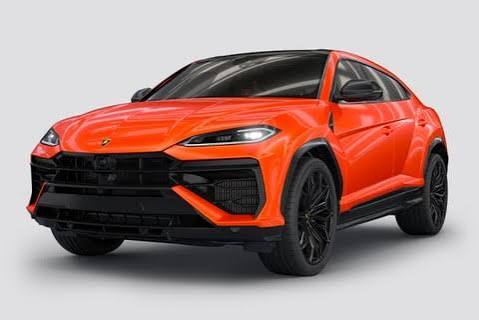
India is witnessing an unprecedented surge in sales of high-end cars and superbikes. Premium SUVs, luxury sedans, performance motorcycles, and imported superbikes are no longer confined to metro elites — they are increasingly visible in Tier-2 and Tier-3 cities. Rising disposable incomes, easier financing, aspirational lifestyles, and social media influence have fueled this growth.
Brands such as BMW, Mercedes-Benz, Audi, Kawasaki, Ducati, and Triumph Motorcycles are reporting consistent growth in India. Meanwhile, homegrown premium segments from Mahindra & Mahindra and Tata Motors are also expanding rapidly.
However, this rapid motorisation at the premium end raises a pressing question:
Is India’s infrastructure ready for these machines?
The Infrastructure Gap
1. Roads Not Built for Performance
Most Indian urban roads are:
Narrow and congested
Poorly maintained
Filled with potholes and uneven surfaces
Lacking proper lane markings
Superbikes capable of 200+ km/h and luxury cars engineered for smooth highways often operate in conditions that barely allow 40–60 km/h speeds.
High-performance suspension and braking systems are optimized for predictable road conditions — not sudden speed breakers, stray cattle, or unpredictable pedestrian crossings.
2. Urban Congestion and Parking Chaos
Even premium car owners struggle with:
Inadequate parking spaces
Encroached footpaths
Poor traffic management
Frequent bottlenecks
Owning a ₹1 crore car means little if it spends hours idling in bumper-to-bumper traffic.
3. Lack of Dedicated Riding/Driving Zones
Countries with strong automotive cultures have:
Dedicated racetracks
Controlled riding zones
Performance testing facilities
India has only a handful of professional tracks like the Buddh International Circuit and Madras Motor Race Track, which are inaccessible to most enthusiasts due to cost and geography.
This often pushes riders to test performance on public highways — creating safety risks.
4. Weak Enforcement and Road Discipline
India faces:
Poor lane discipline
Minimal enforcement of speed limits
Limited awareness of high-speed vehicle handling
When high-powered vehicles mix with unpredictable traffic behaviour, accident risks rise sharply.
The Economic Upside
Despite infrastructure concerns, the premium automobile boom contributes positively to:
Higher GST collections
Job creation in dealerships and service centers
Growth in ancillary industries
Expansion of EV premium segment
Luxury EVs from brands like Tesla (expected entry/expansion) and high-end electric offerings from Indian manufacturers show the future may combine performance with sustainability.
The Risks of Mismatch
If infrastructure fails to keep pace, India may face:
Increased high-speed accidents
Higher insurance claims
Road rage incidents
Public backlash against performance vehicles
Mechanical damage due to poor road conditions
The mismatch between machine capability and road reality is becoming increasingly visible.
The Way Forward: Practical Solutions
1. Accelerate Highway Modernisation
Expand access-controlled expressways
Ensure consistent road quality
Improve lighting and signage
Government initiatives like Bharatmala need faster execution and stricter quality audits.
2. Build More Motorsport and Controlled Zones
Public-private partnerships for regional racetracks
Affordable track-day programs
Government-supported riding academies
This can channel enthusiasm safely and professionally.
3. Smarter Urban Planning
Multi-level parking infrastructure
AI-based traffic signal management
Dedicated premium vehicle parking zones in business districts
4. Stricter Licensing and Training
For high-displacement motorcycles and high-powered cars:
Advanced driving certification
Mandatory safety training
Periodic re-certification
Skill must match machine capability.
5. Strengthen Road Safety Culture
Enforce lane discipline
Penalise reckless riding strictly
Awareness campaigns about responsible ownership
Performance vehicles demand responsible behaviour.
India’s aspiration is accelerating faster than its asphalt.
The growth in high-end cars and bikes reflects economic progress, global integration, and rising confidence. But infrastructure must evolve in parallel. Otherwise, India risks turning engineering marvels into urban liabilities.
The solution is not to slow down growth —
but to build roads, systems, and discipline that can keep up with it.
Only then can India truly enjoy the ride.

