

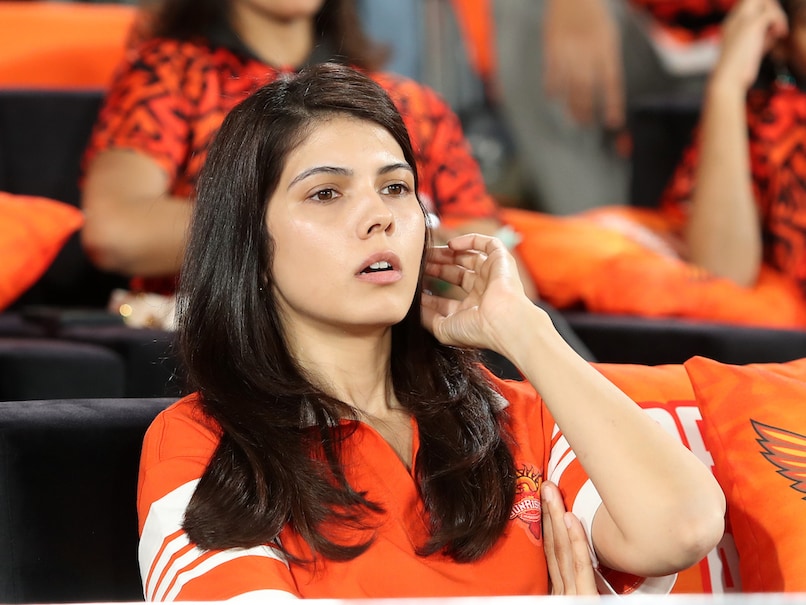
The Sunrisers Hyderabad (SRH) franchise in the Indian Premier League (IPL) has long been one of the league’s consistent teams, known for strong bowling attacks and competitive play.
However, in recent months, the team and its ownership have been at the centre of controversies that go beyond on-field performance — touching on questions of identity, regional representation and the priorities of team management.
1. Who Owns Sunrisers Hyderabad?
Sunrisers Hyderabad is owned by the Sun TV Network, one of India’s largest media groups. The franchise was purchased in 2012 after the earlier Hyderabad team, the Deccan Chargers, was terminated by the IPL. Since then, SRH has operated under the leadership of the network’s chairman, Kalanithi Maran, with his daughter Kavya Maran also playing a prominent executive and public role.
While this corporate ownership has given SRH stability and financial strength, it has also raised questions of regional identity — especially since Sun TV Network is based in Chennai, Tamil Nadu, while SRH’s home and fan base are in Hyderabad, Telangana.
2. Ownership Controversies and Fan Backlash
Earlier in 2026, a controversy involving Sunrisers’ related franchise in England — Sunrisers Leeds — sparked a wave of criticism among Indian fans. The franchise signed Pakistani spinner Abrar Ahmed in The Hundred competition, leading to social-media backlash and calls for boycotts by some sections of fans. Critics argued that an owner connected to an Indian IPL franchise should avoid signing players from Pakistan, especially amid tense political relations.
Although that issue centred on a different league, it reflected broader fan sensitivity to symbolic decisions associated with the SRH brand and its ownership — and triggered renewed discussion about how the franchise positions itself within Indian cricket culture.
3. Telangana Players and Local Representation
A separate but connected debate has been growing in Telangana and nearby regions: can SRH truly be considered their team if local talent is not given visible opportunities?
In March 2026, A Venkateshwar Reddy, a former chairman of the Telangana Sports Authority, staged a protest outside Rajiv Gandhi International Stadium in Hyderabad. He criticized SRH’s management for what he called a lack of attention to Telangana players and broader neglect of cricket development in the state — especially in rural areas.
Reddy’s comments underscored long-standing feelings among some fans that:
Despite being Hyderabad’s flagship IPL franchise, SRH has rarely developed or promoted many local Telugu players, compared to the number of players from other regions or foreign recruits.
Many of the team’s key non-playing staff and executives are from outside Telangana, leading to perceptions that local talent isn’t a priority.
Online discussions have echoed this sentiment for years, with fans noting that while SRH proudly carries Hyderabad’s name, its squad rarely features homegrown stars — a contrast to how some other sports teams around the world build identity through regional players.
4. Why Does Local Representation Matter?
For many fans, especially in Telangana and Andhra Pradesh, the question of local representation isn’t just symbolic — it’s about connection and pride. When a team from your city or region fields local players, supporters feel a stronger emotional investment and sense of shared identity.
This feeling is not unique to SRH — but in a league like the IPL, where fan loyalties are deeply tied to places as much as performance, the absence of regional faces in the squad can weaken local support over time.
5. The Bigger Picture
SRH’s controversies reflect deeper tensions at the intersection of business, sport and identity:
Corporate ownership means decisions are often driven by strategy and market positioning, not necessarily local sentiment.
Fan expectations in regions like Telangana include not just good performance, but regional pride and representation.
Symbolic controversies, such as international signings or ownership origins, can amplify debates about who a team truly represents.
Whether SRH responds by investing more visibly in local talent — or continues its current model — remains to be seen. But the conversation itself highlights how modern sports teams are expected to balance competitive excellence with cultural connection to their home regions.

