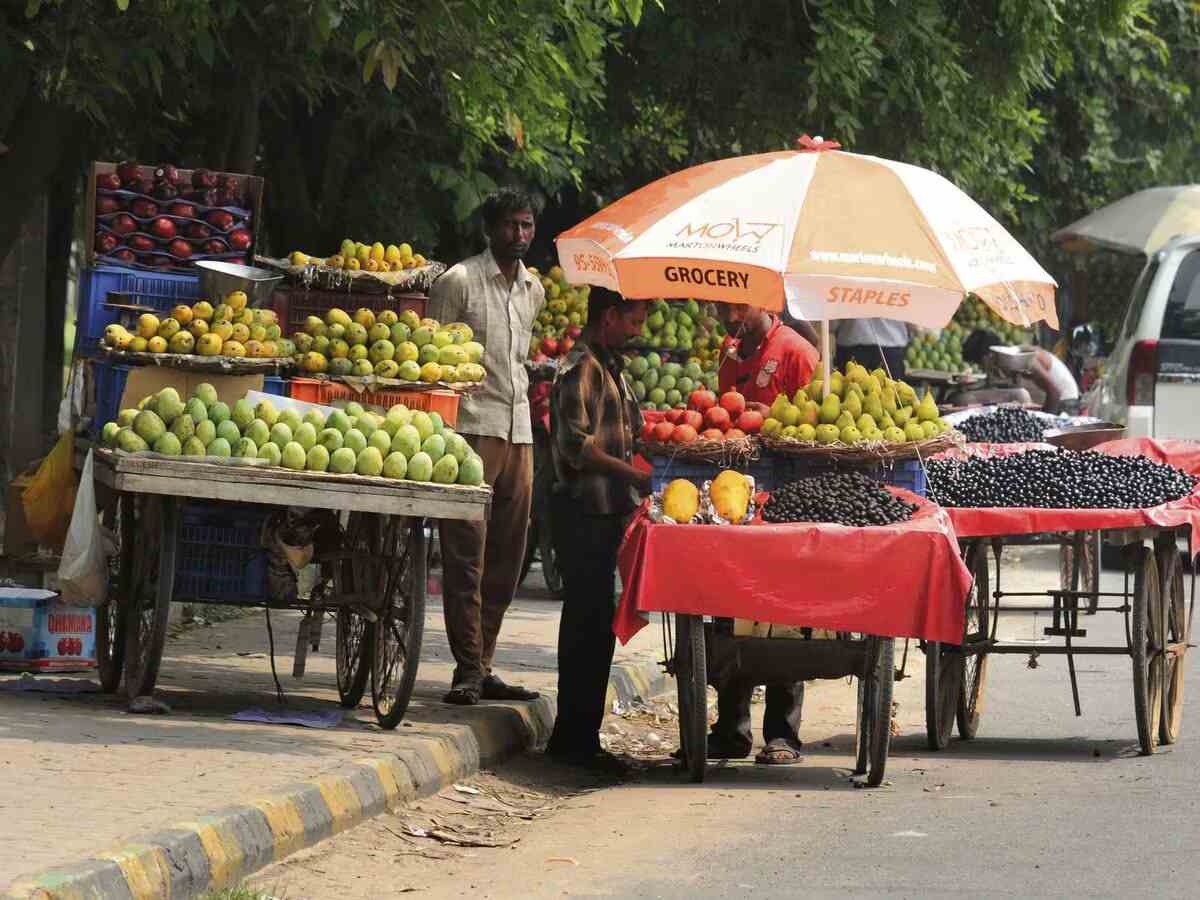

In most Indian cities, the daily drama on the streets is not just about traffic congestion or poor road design. It is also about the silent, informal arrangement between sections of the police and street vendors that allows encroachments to thrive — often at the cost of pedestrians, two-wheelers, and four-wheelers.
Street vending is a vital part of the urban economy. From tea stalls and fruit carts to mobile repair kiosks, vendors provide affordable services and livelihoods to thousands. However, when vending spills onto roads and footpaths without regulation, it creates a ripple effect of chaos. The question is not whether street vendors should exist — they should — but whether the system meant to regulate them is functioning fairly and lawfully.
The Everyday Reality on the Roads
In many busy market areas, bus stops, junctions, and even hospital entrances, vendors occupy sidewalks and gradually expand onto carriageways. What begins as a single cart often becomes a row of stalls. Pedestrians are pushed onto the road, where they must compete with vehicles for space. Two-wheelers weave dangerously between parked carts and moving traffic. Four-wheelers slow down, creating bottlenecks that stretch for hundreds of meters.
Emergency vehicles struggle to pass. School children walk inches away from moving traffic. Minor accidents become frequent. Tempers flare.
Yet, despite regular complaints from residents and commuters, enforcement is inconsistent. Vendors may be briefly removed during VIP visits or inspections, only to return the next day. This cycle has led to growing public perception of a tacit understanding — a nexus — between enforcement agencies and vendors.
Allegations of Informal Payments
In several cities, residents allege that vendors pay informal “weekly” or “monthly” amounts to avoid eviction. While such claims are difficult to prove without official investigation, the persistence of encroachments in high-traffic zones fuels suspicion.
If such arrangements exist, they undermine both the law and public trust. Instead of structured regulation through municipal bodies and Town Vending Committees, informal systems take over. This not only disadvantages vendors who try to operate legally but also distorts urban planning efforts.
Legal Framework vs Ground Reality
India’s Street Vendors (Protection of Livelihood and Regulation of Street Vending) Act, 2014, was enacted to balance livelihood rights with public convenience. It calls for proper surveys, designated vending zones, and certificates of vending.
However, in many cities:
Surveys remain incomplete or outdated.
Vending zones are poorly demarcated.
Political pressure influences enforcement.
Police, instead of municipal authorities, often become the frontline regulators.
When enforcement becomes discretionary rather than rule-based, inconsistency follows. Some vendors are removed; others are untouched. This selective action breeds resentment among commuters and honest vendors alike.
Impact on Pedestrians
Footpaths are meant for walking. When blocked:
Elderly citizens and persons with disabilities face severe hardship.
Parents with strollers are forced onto busy roads.
Women and children feel unsafe navigating traffic.
Ironically, the most vulnerable road users — pedestrians — pay the highest price for administrative leniency.
Impact on Two-Wheelers and Four-Wheelers
For two-wheelers:
Sudden swerving to avoid carts increases crash risks.
Oil spills and waste from food stalls create slippery patches.
For four-wheelers:
Reduced lane width slows traffic flow.
Illegal roadside parking near vending areas compounds congestion.
Delivery vehicles double-park, worsening the gridlock.
The cumulative effect is lost productivity, increased fuel consumption, higher pollution, and rising road rage.
The Political Dimension
Street vendors represent a significant voting bloc in urban constituencies. This reality often leads to soft enforcement, especially during election cycles. Temporary drives are conducted, but sustained action is rare.
Policing becomes reactive rather than preventive. Instead of creating organized vending clusters with proper facilities, authorities allow organic, unplanned growth — until public outrage forces short-term crackdowns.
The Way Forward
The solution is not eviction without rehabilitation. Nor is it unchecked occupation of public roads. A balanced approach is essential:
1. Transparent Vendor Surveys – Digitized, publicly accessible records of authorized vendors.
2. Clearly Marked Vending Zones – With painted boundaries and fixed space allocations.
3. Dedicated Hawker Markets – Developed with basic amenities like waste disposal and lighting.
4. Strict No-Vending Corridors – Especially near hospitals, schools, junctions, and narrow roads.
5. Body Cameras and Monitoring – To reduce scope for informal transactions between vendors and enforcement officials.
6. Public Grievance Portals – For residents to report obstructions with time-bound action.
7. Joint Enforcement Drives – Led by municipal authorities, not just police, to ensure legal compliance.
Restoring Balance
Urban streets belong to everyone — pedestrians, cyclists, vendors, motorists, and emergency services. When one group occupies disproportionate space due to weak enforcement or alleged collusion, the balance collapses.
The debate should not pit commuters against vendors. It should focus on governance. Transparent systems, fair regulation, and accountable enforcement can protect livelihoods without sacrificing mobility.
Until then, the disappearing footpath will remain a symbol of a larger governance failure — where informal arrangements override public interest, and everyday citizens bear the cost in time, safety, and frustration.
When the Footpath Vanishes: Police–Street Vendor Nexus and the Cost to Urban Mobility